
Blogs
Toys That Improve Focus & Problem-Solving: A Practical Guide for Parents in Pakistan
Apr
Toys That Improve Focus and Problem-Solving (Age-Wise Guide for Parents)
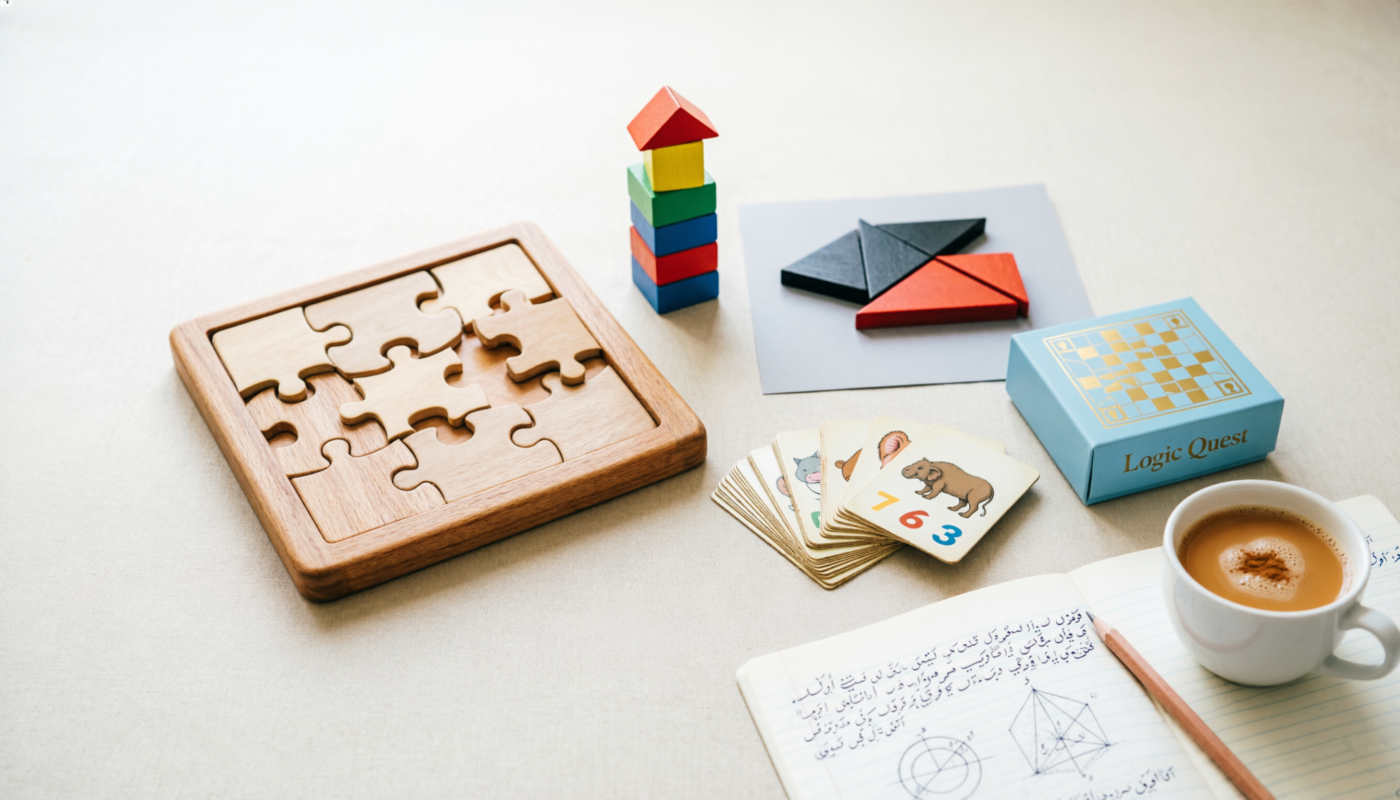
If you are looking for toys that improve focus and problem-solving, start with the basics that actually get used: puzzles, blocks, sorting toys, memory games, and simple strategy games. These toys help children practice attention, patience, planning, and trying again after mistakes all through play, not pressure.
For parents in Pakistan, the good news is that you do not need an expensive imported setup. A small mix of durable, repeat-play toys can do a lot more than flashy battery toys that lose their charm in a week.
Kids today grow up around mobile screens, fast-paced content, busy homes, and school stress. That is exactly why many parents want toys that do more than “keep a child busy.” The right toy can quietly build useful habits: sitting with one task, following steps, staying calm when something feels difficult, and finishing what they started.
The best toys that improve focus and problem-solving are jigsaw puzzles, building blocks, shape sorters, pattern sets, memory games, and beginner strategy board games. They work because children have a clear goal, notice mistakes on their own, and keep adjusting until something works.
The key is not buying more toys. It is choosing the right level, keeping play sessions short, and repeating the same toy long enough for real skill-building.
Why These Toys Actually Work
Focus is not about forcing a child to sit still. It is about helping them stay with one task long enough to make progress.
Problem-solving is similar. A child sees what is not working, tries a new approach, and slowly figures it out. That process matters more than getting a “perfect” result.
Most toys that build these skills have four things in common.
A clear goal, such as finishing a puzzle or building a tower
A built-in way to self-correct
A challenge level that can grow with the child
Hands-on play that combines thinking with doing
That is why simple toys often work better than noisy, overstimulating ones. In practice, the quieter the toy, the more thinking the child usually has to do.
The Best Toys That Improve Focus and Problem-Solving
Jigsaw Puzzles
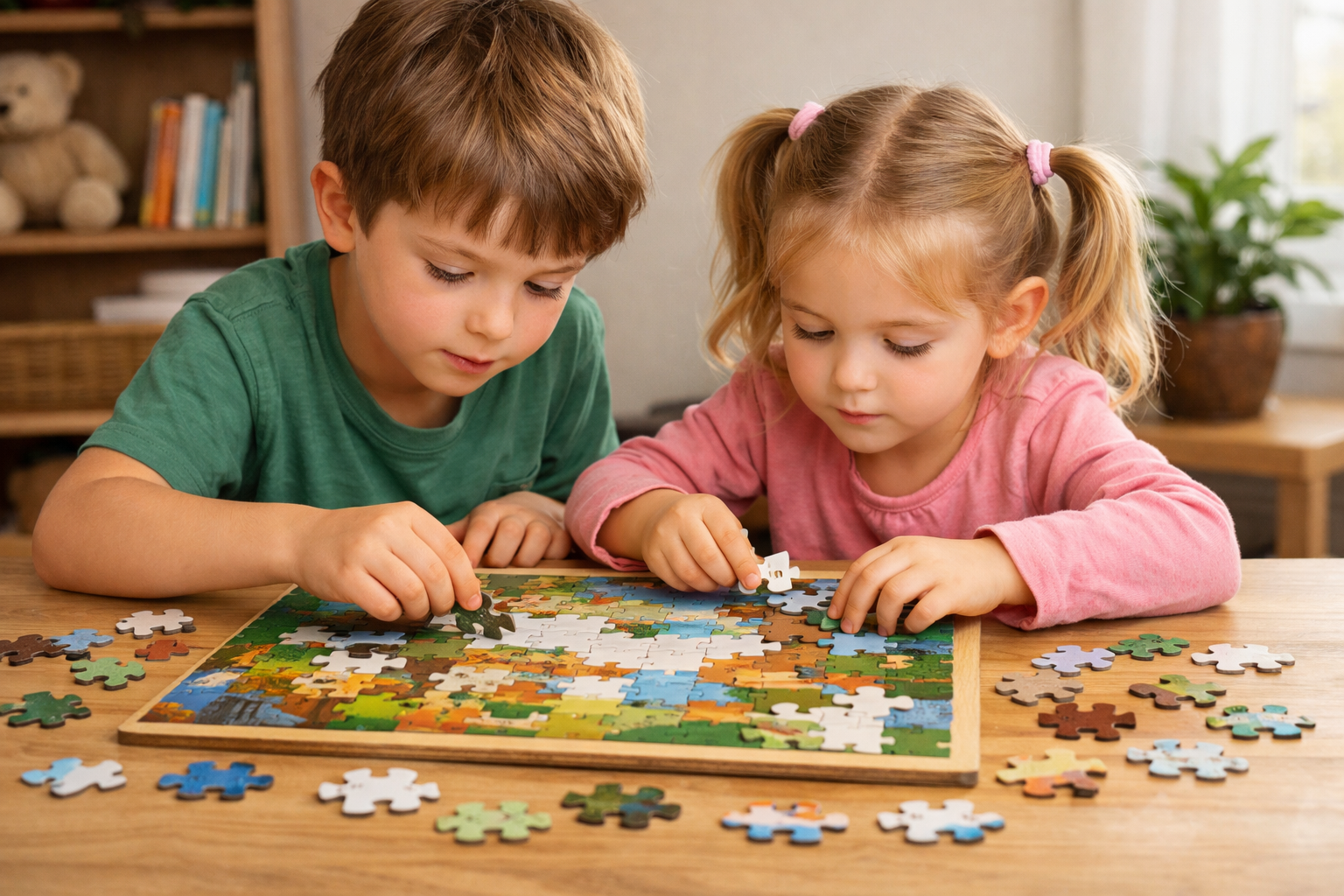
Puzzles are one of the easiest ways to build attention. A child has to scan details, test pieces, and keep going until the picture comes together.
Best for: ages 3–10
Skills built: persistence, visual focus, sequencing, patience
Start small. A 12-piece or 24-piece puzzle is often enough in the beginning. Once your child starts finishing confidently, move up slowly instead of jumping too far ahead.
Building Blocks and Construction Sets
Blocks are among the strongest toys that improve focus and problem-solving because they turn mistakes into part of the game. A tower falls, a bridge does not hold, or a design looks wrong—then the child adjusts and tries again.
Best for: ages 2.5–12
Skills built: planning, spatial thinking, trial-and-error, frustration tolerance
Classic blocks work well, and magnetic tiles can also be useful for guided building. For many families, blocks stay relevant much longer than single-purpose toys.
Shape Sorters and Sorting Toys
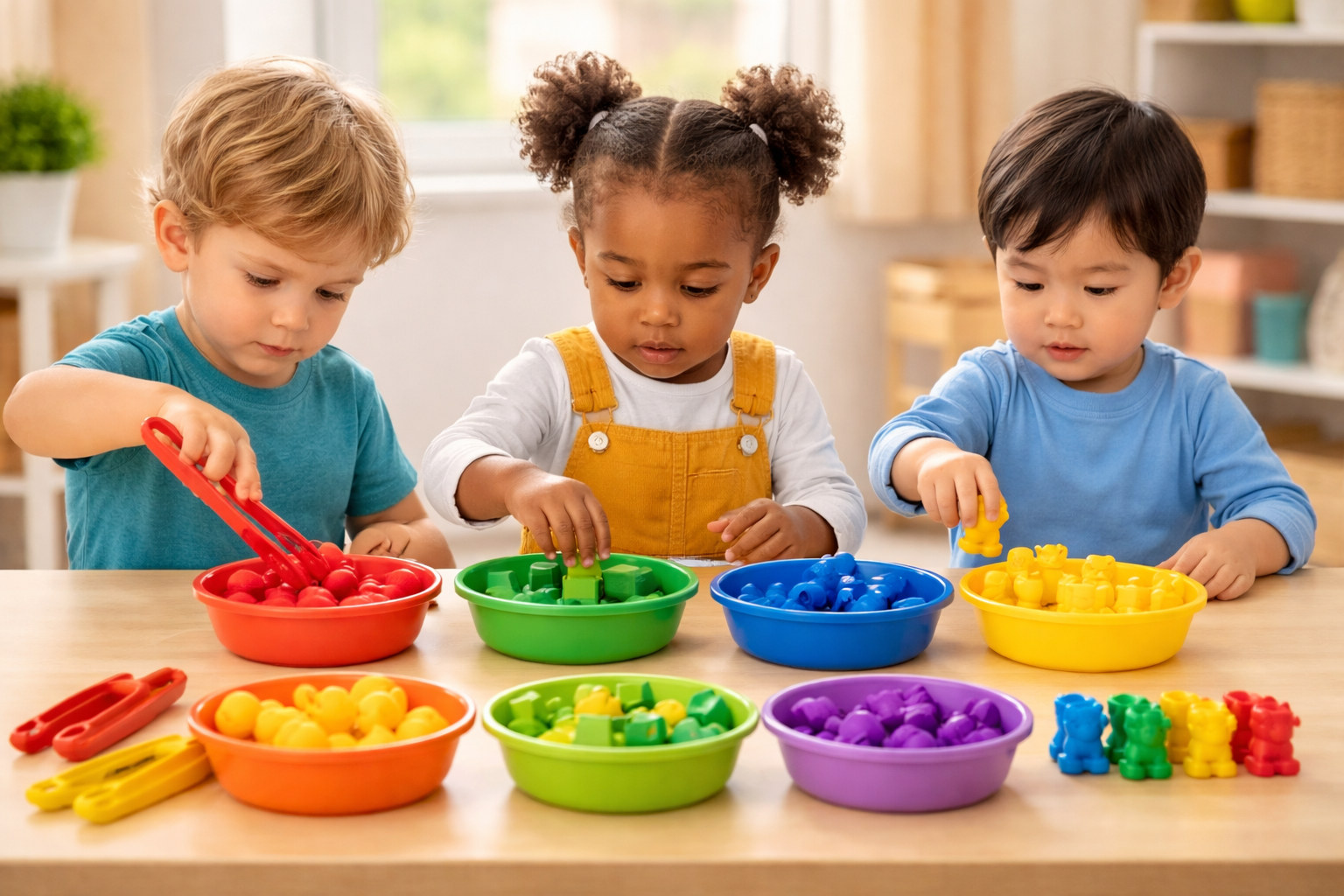
For toddlers, sorting is early logic practice. They learn to match shape, size, or color while staying focused on one simple task.
Best for: ages 1.5–4
Skills built: categorization, fine motor control, early reasoning
A sturdy shape sorter is a smart first option because it is simple, durable, and easy to repeat without feeling boring.

Pattern Blocks and Tangram-Style Sets
These toys push children to look carefully, rotate shapes mentally, and compare what they made with what they were supposed to make.
Best for: ages 4–12
Skills built: visual reasoning, flexible thinking, concentration
They are especially helpful for children who enjoy solving little visual challenges but get bored by basic matching toys.
Memory and Matching Games
Matching games are great for quick focus practice. Children have to remember where items are, wait for their turn, and make decisions without rushing.
Best for: ages 3–10
Skills built: working memory, attention control, calm thinking
They also work well for short family play sessions when you want something screen-free but not too long.
Beginner Strategy Board Games
Simple strategy games teach children to think ahead. They start noticing cause and effect: if I do this now, what happens next?
Best for: ages 6–14
Skills built: planning, decision-making, rule-following
This is where problem-solving starts looking more like everyday life. A child learns to pause, think, and choose instead of reacting instantly.
Fidget and Sensory Tools
These are not a full solution, but they can help some children settle enough to return to a real task.
Best for: ages 4+
Skills built: self-regulation support
Used well, they are a reset tool. Used badly, they become another distraction. Keep them short and purposeful.
How to Choose the Right Toy
Pick the “easy win” level
If a toy is too hard, your child may avoid it. If it is too easy, they lose interest fast. The sweet spot is a challenge that feels possible.
Choose toys with a clear finish line
Children focus better when they know what “done” looks like. That is why puzzles, builds, and matching games work so well.
Limit visible choices
Too many toys can reduce focus. Keep only 2–3 toys in the play area at one time and rotate the rest later.
Buy for repeat play
The best educational toys are not always the most exciting on day one. They are the ones your child comes back to again and again.
Think about local practicality
For parents in Karachi, Lahore, Islamabad, and other cities, durability matters. Toys should survive delivery, storage, rough handling, siblings, and daily use in warm weather.
A Simple Age-Wise Guide
| Age Group | Best Toy Types | Main Skills |
|---|---|---|
| 1.5–3 years | Shape sorters, stacking toys, simple sorting trays | Attention, matching, motor control |
| 3–5 years | Small puzzles, blocks, memory games | Focus, patience, early logic |
| 6–8 years | Pattern sets, larger puzzles, beginner board games | Planning, reasoning, step-by-step thinking |
| 9–12 years | Construction toys, strategy games, advanced puzzles | Problem-solving, persistence, decision-making |
Real-Life Pakistan Examples
A parent in Karachi might choose a puzzle and a shape sorter on COD, then set a 15-minute routine after Maghrib. That kind of simple habit often works better than buying five different toys at once.
In Lahore, a child who struggles with school tasks may respond better to pattern blocks and a basic strategy game than to more worksheets. Once thinking feels like play, resistance usually drops.
In Islamabad or Rawalpindi, many parents also prefer toys that are compact, easy to store, and gift-friendly. That matters more than people realize. A toy that is easy to keep accessible is more likely to be used regularly.
Buying Tips for Parents in Pakistan
When shopping for toys that improve focus and problem-solving, keep these points in mind.
COD is convenient and still the first choice for many families
Easy paisa or Jazz Cash prepayment may sometimes help with smoother checkout or small savings
Boxed puzzles, block sets with storage, and sealed card games usually travel better
Avoid toys that look exciting online but have little replay value
For gifts, choose toys with clear skill-based use, not just flashy features
From a practical parent’s point of view, a small toy bundle often works best: one puzzle, one building toy, and one game.
How to Use These Toys Daily Without Stress
You do not need a complicated routine. Keep it simple.
Choose one toy at a time
Set aside 10–20 minutes in a quiet spot
Stay nearby, but do not do the task for your child
Use prompts like “What could you try next?”
Repeat the same toy for 1–2 weeks before rotating
That repetition is where progress happens. Children build focus by revisiting a challenge, not by constantly switching to something new.
To Sum Up
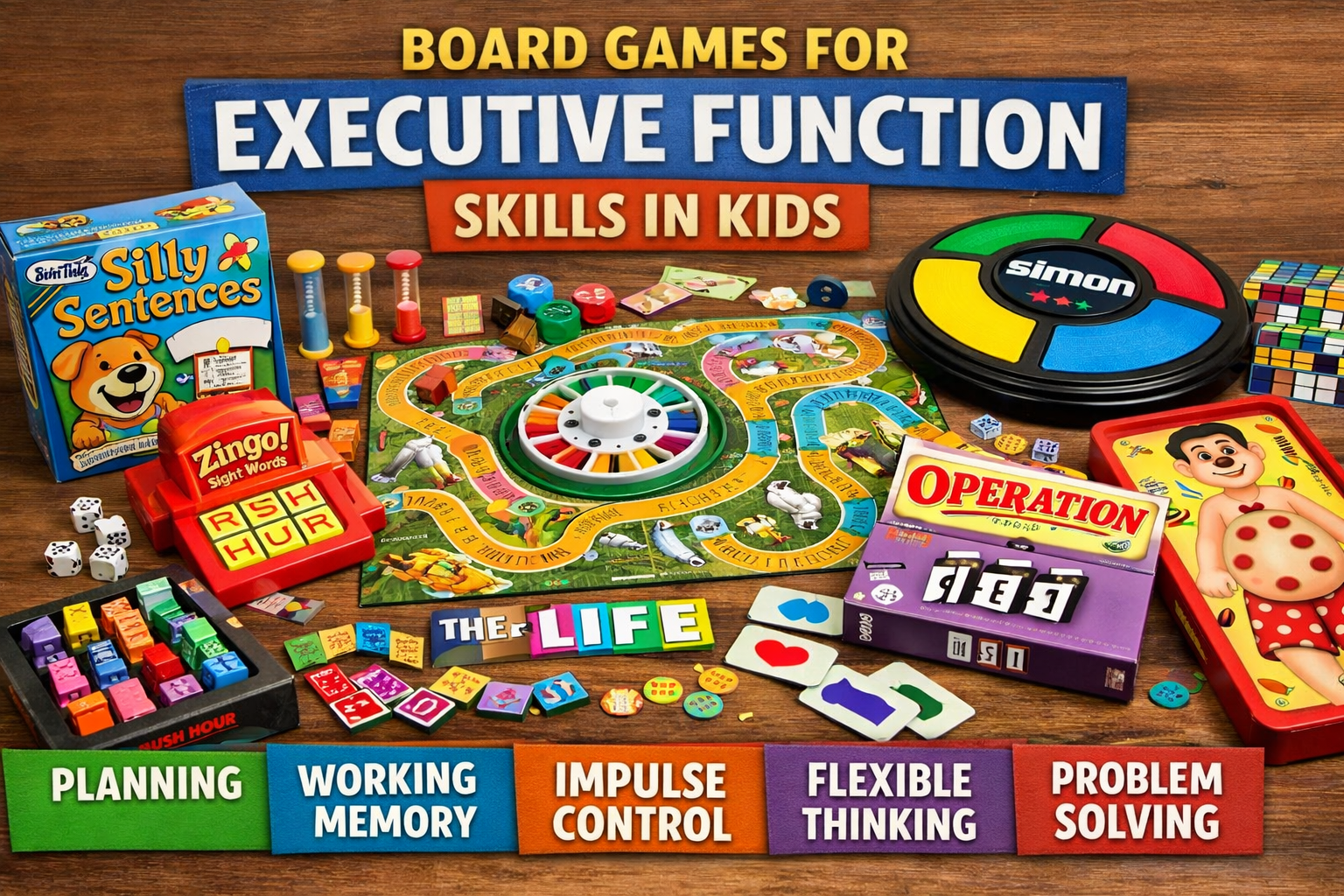
The best toys that improve focus and problem-solving are usually the simplest ones: puzzles, blocks, sorting toys, memory games, and beginner strategy games. They help children learn how to pause, think, test ideas, and keep going when something feels difficult.
For families in Pakistan, this does not have to be expensive or complicated. Start small, choose durable toys, keep a short daily routine, and focus on repeat play. Over time, those small moments of play can build stronger attention, calmer thinking, and more confident problem-solving.
FAQs
Q : What are the best toys that improve focus and problem-solving for preschoolers?
A : For preschoolers, start with shape sorters, stacking toys, simple puzzles, and matching games. These are easy to repeat and help children practice attention without making play feel too hard.
Q : How do puzzles improve focus in children?
A : Puzzles make children slow down, notice details, and keep trying until they finish. That process naturally builds sustained attention and patience.
Q : Are building blocks good for problem-solving?
A : Yes, very much. Blocks teach children to test ideas, notice what failed, and rebuild with a better plan.
Q : Are fidget toys enough to improve focus?
A : Not on their own. They may help some children regulate energy, but they work best as short support tools before returning to a meaningful task.
Q : How long should a daily play session be?
A : For most children, 10–20 minutes is enough. Keep it short, calm, and consistent.