
Blogs
Parent-Child Interactive Toys for Early Learning: A Pakistan Parent’s Guide
Mar
Parent-Child Interactive Toys for Early Learning in Pakistan: What to Buy & Why
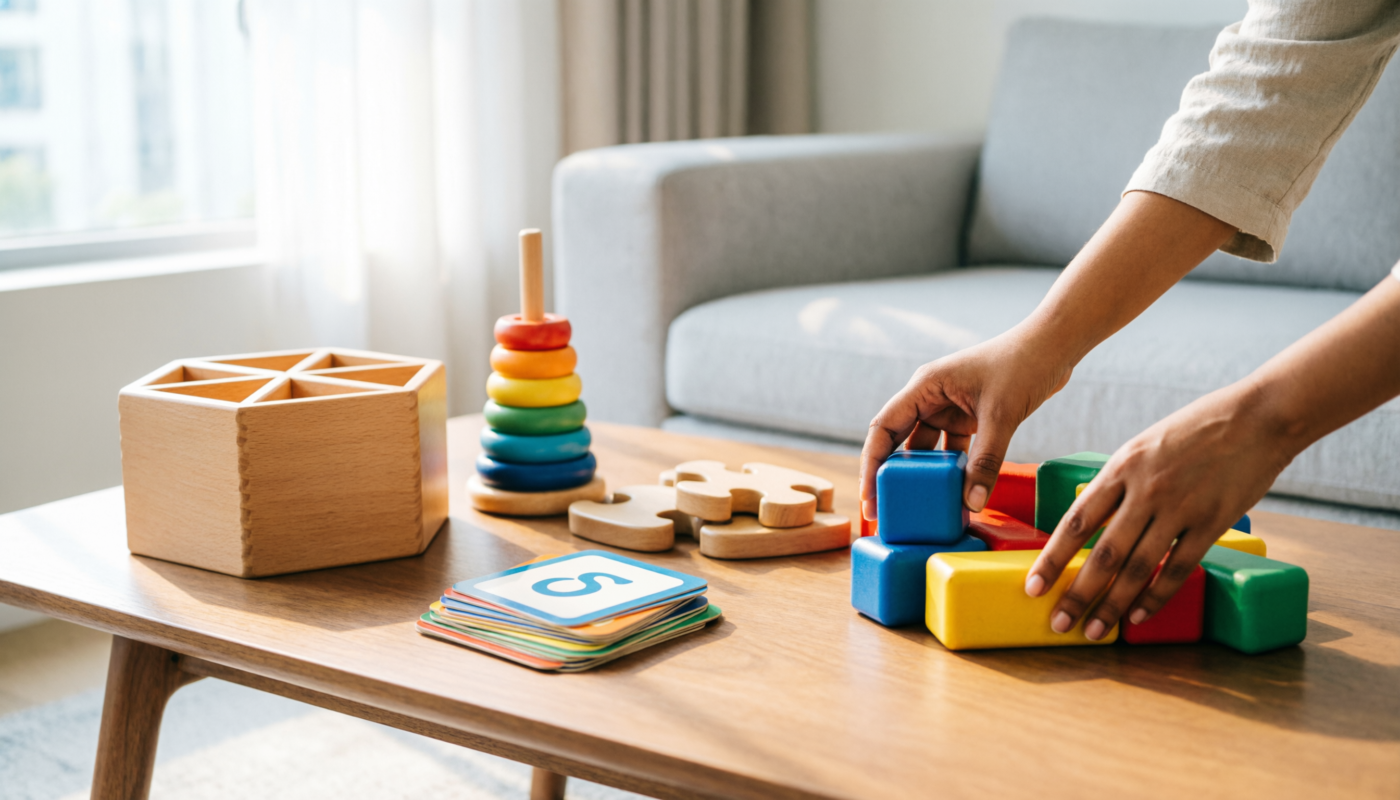
Early learning at home does not have to feel like extra schoolwork. In many Pakistani homes, the biggest boost comes from something much simpler: a parent sitting down to play, talk, and guide. That is exactly why Parent-Child Interactive Toys for Early Learning matter. They turn ordinary playtime into a practical way to build language, focus, confidence, and problem-solving skills.
In simple terms, Parent-Child Interactive Toys for Early Learning are toys designed for shared play. A parent joins in, asks questions, names objects, gives gentle hints, and keeps the child engaged. This kind of back-and-forth interaction helps children learn faster than passive, solo play. For families in Pakistan, the best choices are usually safe, durable, budget-friendly, and easy to order with COD, Easy paisa, or Jazz Cash.
Whether you are a busy parent in Karachi, a working dad in Lahore, or a caregiver in Islamabad trying to create a better daily routine, the right toy can make learning feel natural instead of forced.
Why Parent-Child Interactive Toys for Early Learning Work So Well
The real value is not just in the toy itself. It is in the interaction around it.
When a parent says, “Where does the circle go?” or “Can you tell me what happens next?” the child is doing much more than playing. They are listening, thinking, responding, and building confidence at the same time.
Here is why this approach works so well.
Language develops faster through real conversation
Attention span improves when play has guidance
Fine motor skills strengthen through hands-on tasks
Problem-solving grows with small prompts and hints
Emotional bonding increases when learning feels warm and supportive
In practice, many parents notice that even a simple toy becomes more effective when the child feels encouraged rather than tested.
Best Parent-Child Interactive Toys for Early Learning by Age
Not every toy fits every stage. Choosing by age makes play more useful and less frustrating.
Ages 6–18 Months: Sensory Play and Cause-and-Effect
At this stage, babies learn through touch, sound, repetition, and simple reactions.
Best toy types include.
Soft sensory books
Rattles and grasp toys
Large stacking rings
Push-and-press cause-and-effect toys
How to use them together.
Name colors, textures, and sounds
Repeat simple words
Copy your baby’s sounds for turn-taking
Celebrate small reactions and movements
Ages 18 Months–3 Years: Sorting, Stacking, and Matching
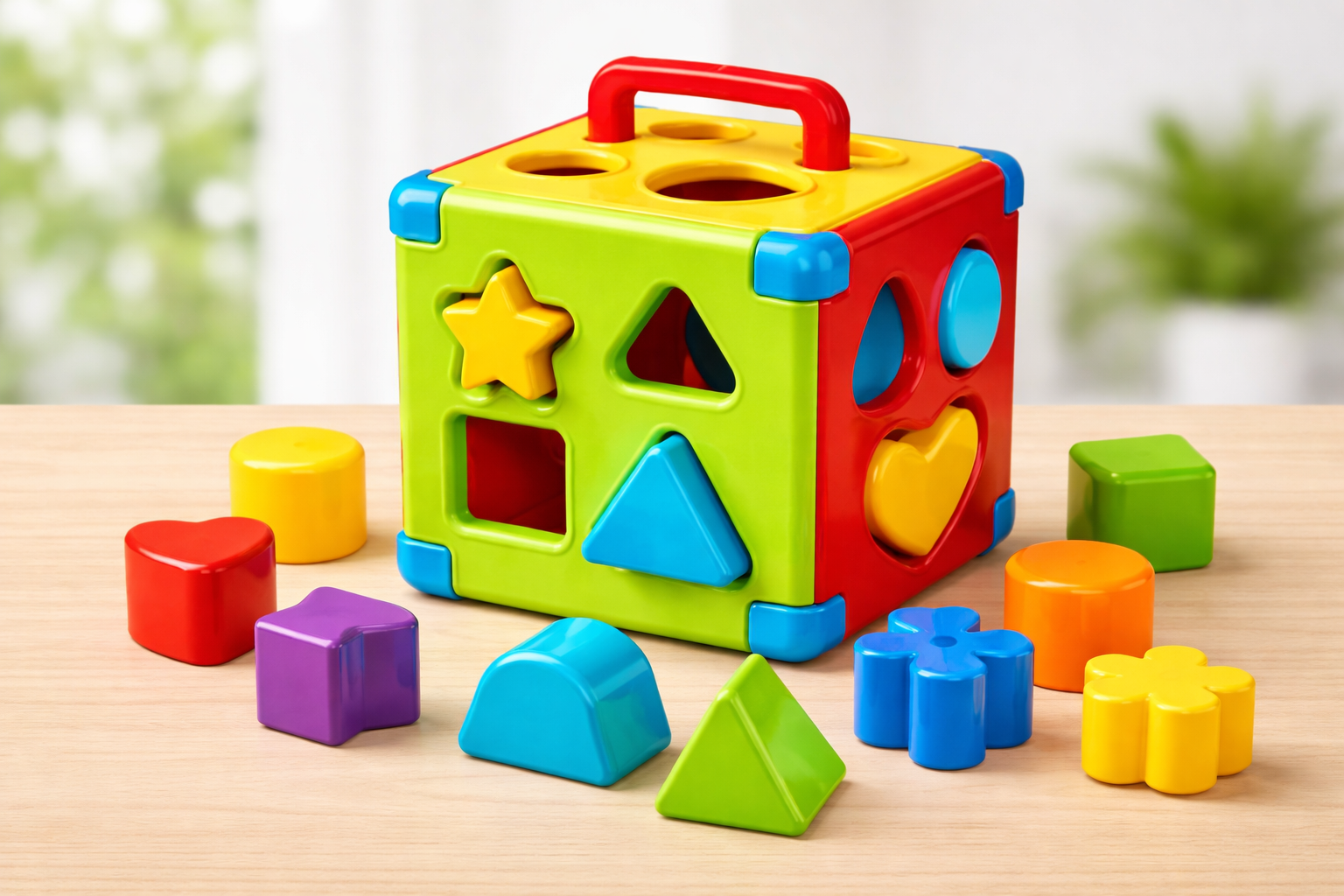
This is one of the best stages for Parent-Child Interactive Toys for Early Learning because toddlers love repetition. They want to try again and again, and that creates ideal learning moments.
Best toy types include.
Wooden shape sorters
Stacking cups
Large building blocks
Simple puzzles with 2–6 pieces
Color matching boards
A simple parent-child play method:
Sit on the floor with your toddler and give only two choices at a time. Instead of overwhelming them, say, “Let’s find the circle” or “Which one is blue?” That keeps learning focused and playful.
Ages 3–5 Years: Pretend Play, Early Math, and Storytelling
Preschoolers learn best when imagination is involved. This is the stage where pretend play and guided storytelling can do a lot of heavy lifting.
Best toy types include:
Pretend doctor or kitchen sets
Magnetic letters or phonics cards
Counting beads
Number puzzles
Simple construction toys
Try this during play.
If your child is pretending to be a doctor, ask, “What should we do first?” or “How can we help the patient?” This builds sequencing, vocabulary, and confidence without making it feel like a lesson.
Ages 5–7 Years: Logic, Teamwork, and Independent Thinking
At this age, children enjoy challenge-based play. They also respond well when parents act like teammates instead of instructors.
Best toy types include.
Beginner board games
Tangram and logic puzzles
Simple science kits
Building sets with visual instructions
A better way to guide.
Ask, “How would you solve it?” before offering help. That small pause encourages independent thinking and helps children explain their ideas.

What Skills These Toys Build
Shopping by age helps, but shopping by learning goal can be even more practical.
Language and Speaking Skills
Best choices.
Storytelling cards
Picture books
Pretend play kits
What to do.
Name objects clearly
Ask “what,” “why,” and “how” questions
Encourage full responses, even if they are incomplete at first
Fine Motor Skills
Best choices.
Peg boards
Lacing beads
Puzzles
Stacking toys
What to do
Slow the activity down
Let the child try first
Step in only when needed
Early Math and Logic
Best choices.
Counting sets
Shape sorters
Sorting trays
Number puzzles
What to do.
Count everyday objects together
Compare sizes and colors
Turn daily routines into mini learning games
Social and Emotional Learning
Best choices.
Role-play kits
Cooperative board games
Emotion cards
What to do.
Practice taking turns
Talk about feelings during pretend play
Use simple scenarios to teach patience and empathy
What Pakistani Parents Should Look For
For parents in Pakistan, buying habits are often shaped by convenience as much as quality. A toy may look great online, but it still needs to be practical for home use.
Here are a few things that matter most.
Safe materials: avoid sharp edges, weak stitching, and tiny removable parts
Durability: choose toys that can handle daily use
Washability: especially useful in dusty environments
Clear size details: many buyers expect toys to be larger than they actually are
Easy payment options: COD is still preferred in many homes, while Easy paisa and Jazz Cash are popular for quick payments
Reliable delivery: Karachi, Lahore, and Islamabad usually get faster shipping than smaller cities
From a household budget point of view, it is usually smarter to buy a small mix of toys that build different skills than to spend too much on one flashy item.

Safety Checklist for Interactive Toys in Pakistan Homes
Before ordering, check these basics.
Avoid small parts for children under 3
Choose smooth, polished surfaces
Check for strong stitching on fabric toys
Prefer non-toxic paints and finishes
Make sure pieces are easy to clean
Read age labels carefully before buying
If you are buying online, review the return or replacement policy too. That matters more than many parents realize, especially for damaged or incomplete items.
Smart Buying Tips on a Budget
You do not need a huge toy collection to create a strong learning routine.
A practical starter setup can be.
1 puzzle for logic and fine motor practice
1 sorter or stacking toy for hand-eye coordination
1 pretend play or storytelling toy for speaking and imagination
That gives you enough variety without cluttering the house or stretching the budget. Rotating toys every week can also make old toys feel new again.
Make Learning Part of the Daily Routine
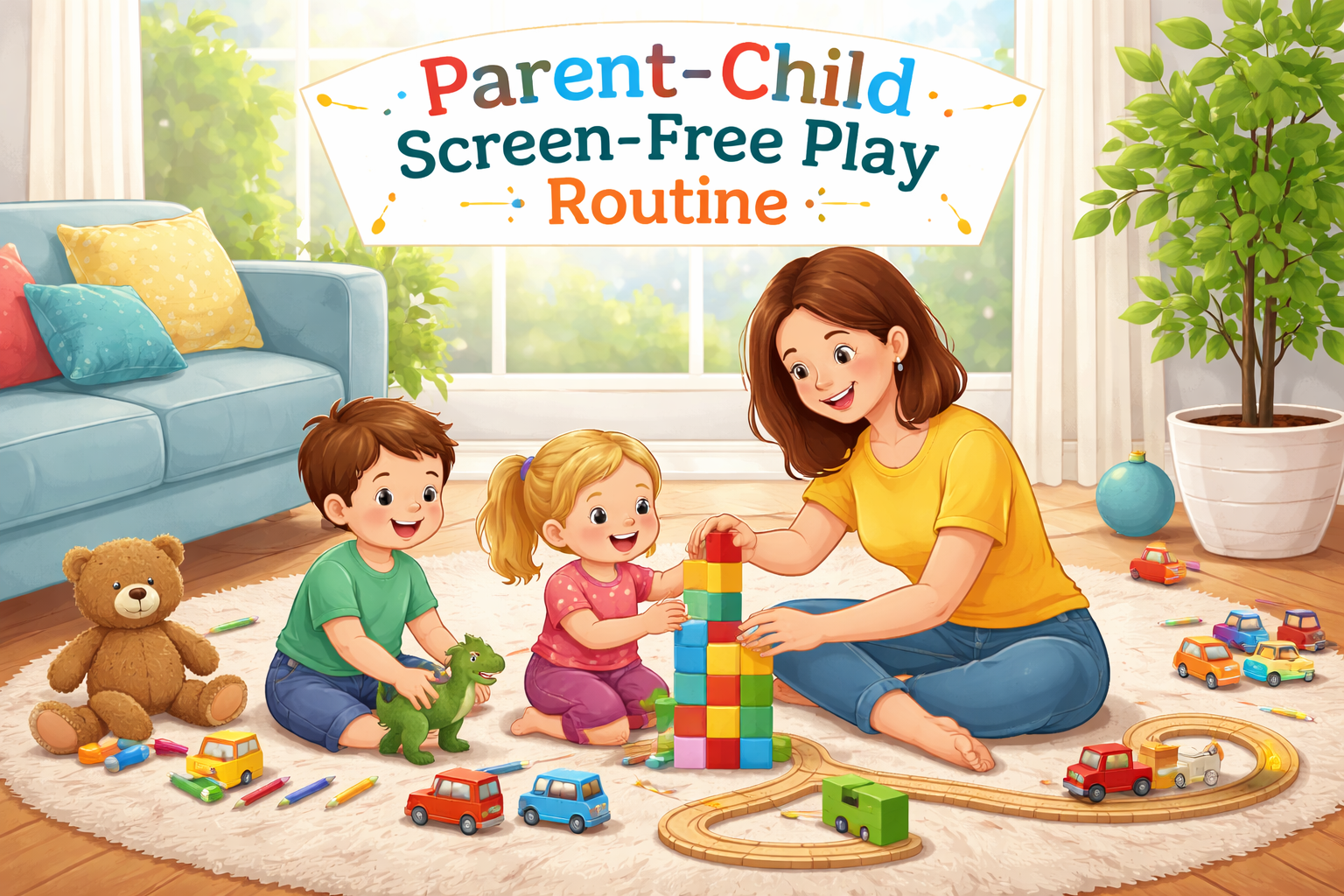
The best thing about Parent-Child Interactive Toys for Early Learning is that they fit into normal life. You do not need a perfect schedule or a big playroom. A simple 10-minute routine after Asr, after Maghrib, or before bedtime can do more than a long session once a week.
A shape sorter can teach patience, colors, and vocabulary. A pretend play set can build speech and confidence. A story card set can improve sequencing and imagination. The real progress comes from consistency, not from buying the most expensive toy on the market.
For Pakistani parents who want value, durability, and simple delivery options, these toys are a practical investment in both learning and bonding. Start small, stay consistent, and make playtime something your child looks forward to every day.
Final Take
Parent-Child Interactive Toys for Early Learning are more than just fun products they create meaningful moments that help children grow through everyday play. From shape sorters and puzzles to pretend play kits and storytelling cards, these toys support language, focus, fine motor skills, and confidence when parents actively join in. The real benefit comes from shared interaction, not just the toy itself.
For families in Pakistan, the best approach is to choose safe, durable, and budget-friendly toys that fit naturally into daily routines. Even 10–20 minutes of guided play can make a lasting difference, turning simple playtime into steady early learning and stronger parent-child bonding.
FAQs
Q : What are Parent-Child Interactive Toys for Early Learning?
A : They are toys made for shared play between a child and a parent or caregiver. The adult guides the activity through talking, prompting, and participating, which helps build learning skills more naturally.
Q : Which toys are best for a 2-year-old?
A : Shape sorters, stacking cups, big-piece puzzles, and color matching toys are all strong choices. They support hand control, attention, and basic problem-solving without overwhelming toddlers.
Q : Are electronic toys better than non-electronic ones?
A : Not necessarily. Some electronic toys can help with sounds and vocabulary, but non-electronic toys often create better interaction because they require more talking, thinking, and imagination.
Q : How long should parents play each day?
A : Around 10–20 minutes daily is realistic for most families. Short, regular sessions usually work better than long, occasional ones.
Q : How can I reduce screen time with interactive toys?
A : Replace one screen session with a fixed toy routine each day. Storytelling cards, pretend play, and puzzles are especially helpful because they keep the child active instead of just watching.