Blogs
How to Choose Age-Appropriate Learning Toys (Pakistan Guide for Every Age)
Apr
How to Choose Age-Appropriate Learning Toys
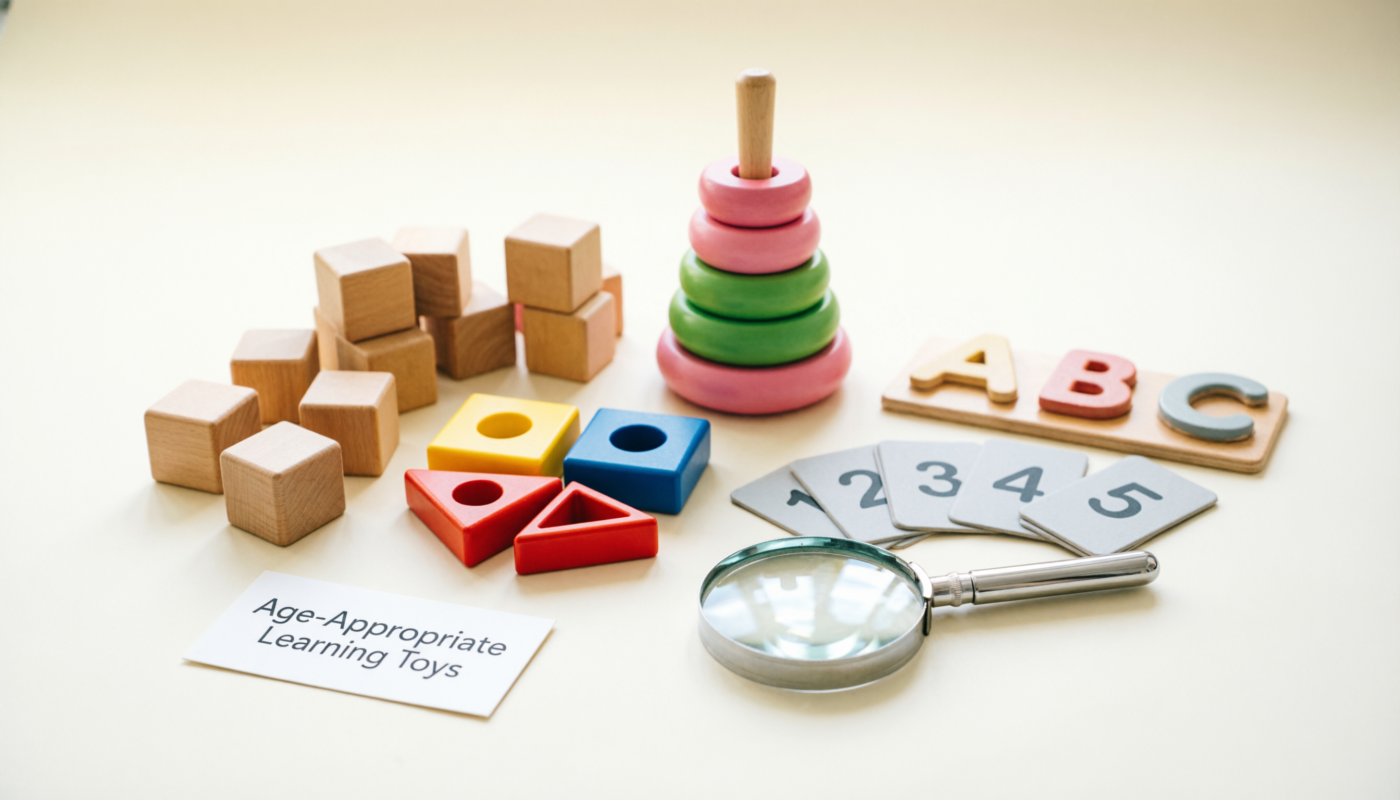
Buying toys sounds simple until you are faced with dozens of options that all claim to be “educational.” The smarter approach is to choose age-appropriate learning toys that fit your child’s current stage, interests, and safety needs. When a toy matches what your child can actually do right now, play becomes more useful, less frustrating, and far more enjoyable.
In simple terms, the best age-appropriate learning toys are safe, easy to use, and just challenging enough to build a new skill. For parents in Pakistan, it also helps to check material quality, delivery reliability, return policies, and payment options like COD, Easy paisa, or Jazz Cash before placing an order.
Why age-appropriate matters more than “educational”
A toy can have bright packaging and big learning claims and still be a poor fit for your child. Real learning happens when the toy sits in that sweet spot: not too easy, not too advanced.
When you choose the right age match, your child is more likely to.
Stay engaged for longer
Build confidence through small wins
Practice useful skills at the right time
Avoid unnecessary frustration
Stay safer, especially in the under-3 stage
That is why age-appropriate learning toys usually outperform trendy gadgets. A simple stacking toy or puzzle often teaches more than an expensive toy a child cannot use independently.
A simple checklist for choosing age-appropriate learning toys
Before you add anything to cart, use these five filters.
Match the toy to a skill, not just the box label
Ask one basic question: what will my child actually do with this toy?
Will they stack, sort, match, build, lace, count, or pretend? The action matters more than the marketing copy.
Look for one clear learning purpose
The best toys do one or two things really well. That could be.
Fine motor practice
Early language development
Problem-solving
Counting and number sense
Creativity and pretend play
A toy with too many features can be noisy without being useful.
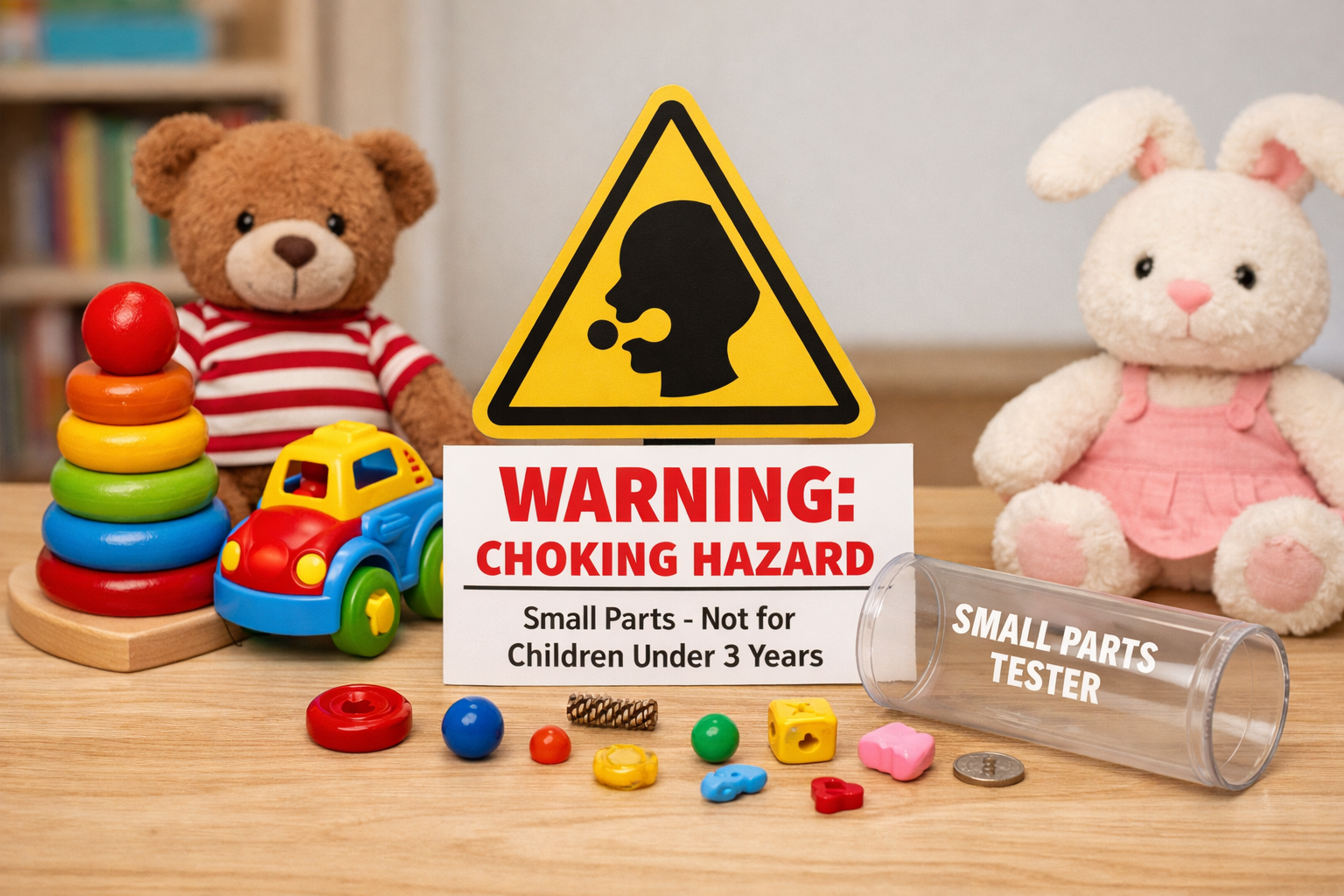
Put safety first, especially under 3
For babies and toddlers, safety comes before everything else. Avoid.
Small detachable parts
Sharp edges
Weak plastic that can crack
Toys with easily accessible button batteries
Poor finishing or loose stitching
For online buyers in Pakistan, this step matters even more because product photos do not always show the real size or build quality.
Prefer open-ended toys
Open-ended toys grow with your child. Blocks, magnetic tiles, pretend-play sets, and simple building toys can be used in different ways over time.
That makes them a better long-term buy for families who want value for money.
Check durability, reviews, and returns
From a practical parenting point of view, a good toy is not just educational. It also needs to survive regular use.
Before ordering online, check.
Customer photos
Size details
Material information
Exchange or return policy
Delivery coverage in your city
For Karachi, Lahore, and Islamabad, delivery may be quicker. For smaller cities, sturdy packaging and reliable courier handling matter even more.
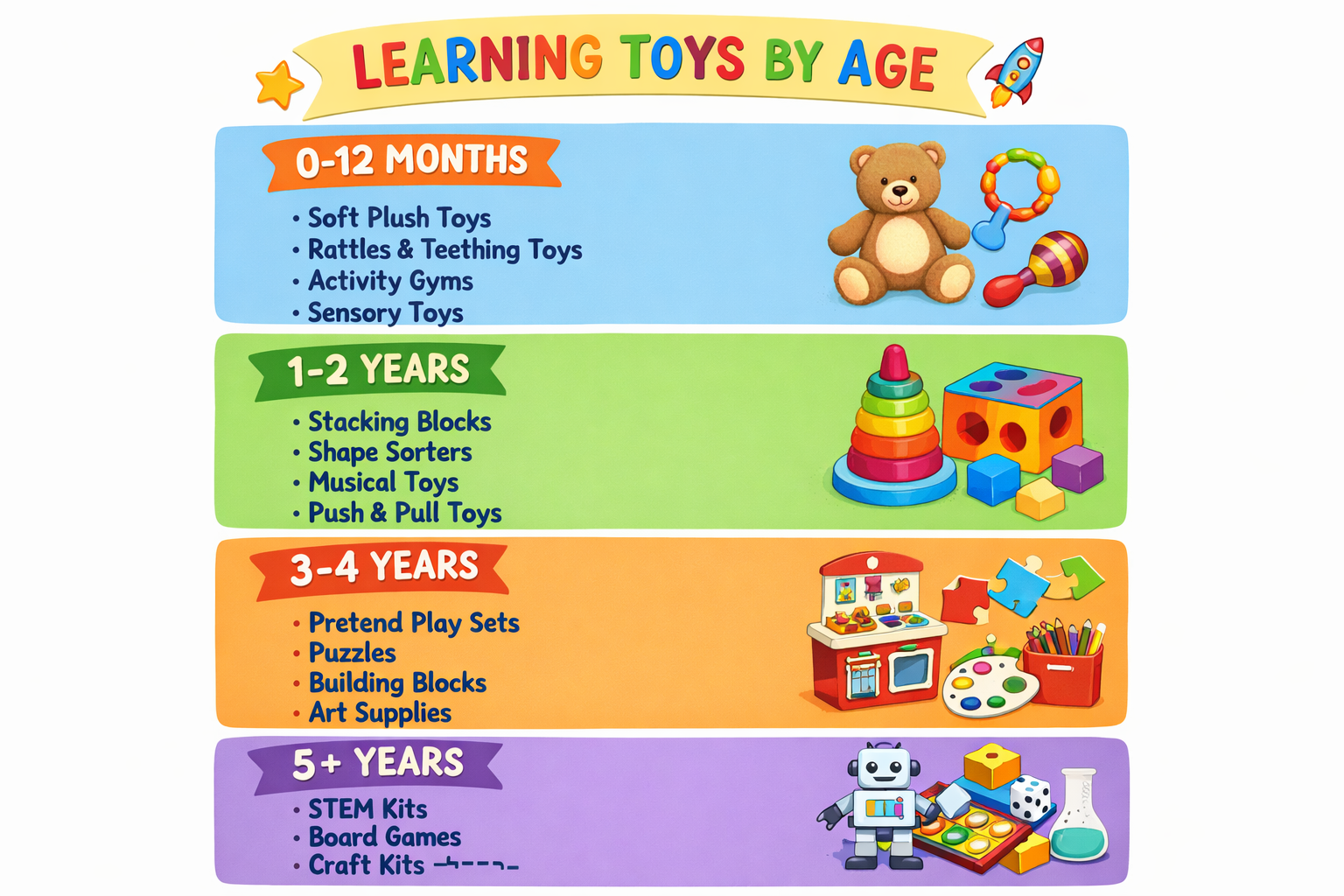
Age-wise guide to age-appropriate learning toys
0-12 months: sensory play and bonding
At this stage, babies learn through touch, sound, movement, and face-to-face interaction.
Good options include.
Soft sensory books
High-contrast cards
Easy-grip rattles
Tummy-time mirrors
Soft musical toys with gentle sound
Skip anything tiny, rough, or poorly stitched.
1-2 years: cause and effect plus motor skills
Toddlers love repetition. They want to press, drop, stack, open, close, and do it all again.
Strong choices include.
Shape sorters
Stacking cups or rings
Chunky wooden puzzles
Push and pull toys
Simple picture cards
These age-appropriate learning toys help build hand control, early language, and coordination.
2-3 years: language growth and pretend play
This is a great stage for toys that encourage naming, copying, and role-play.
Look for.
Pretend kitchen sets
Doctor kits
Matching games
Large building blocks
First words flashcards
Washable crayons and beginner art supplies
A child in this age range often learns best by acting out daily life. In many Pakistani homes, pretend grocery shopping or kitchen play can naturally build vocabulary, social confidence, and basic counting.
3-5 years: early preschool learning
Children in this group are ready for more structure, but they still learn best through play.
Try.
Alphabet puzzles
Number boards
Story sequencing cards
Matching and memory games
Beginner STEM toys with large safe pieces
Simple puzzles with increasing difficulty
If your child gets bored or upset quickly, go a level easier. The best age-appropriate learning toys should stretch skills, not overwhelm them.
5-7 years: skill-building and early STEM
By this stage, many kids enjoy challenge, patterns, and rules.
Useful options include.
Spelling tiles
Maths games
Beginner robotics kits with large parts
Simple model-building kits
Short strategy board games
These toys work well for home learning, gift buying, and screen-free play. They are also easier to shop for when you need a practical birthday gift.

7-10 years: deeper thinking and creativity
Older kids usually benefit from toys that let them design, test, and create.
Good picks include:
Advanced construction sets
Supervised science kits
Coding games
Geography puzzles
Art and DIY craft kits
Logic and strategy games
At this age, interest matters a lot. A child who loves building may use one quality set again and again, while a generic toy may be ignored after a day.
Buying age-appropriate learning toys online in Pakistan
Shopping online can be convenient, but it pays to be selective.
COD or prepaid?
COD is often the safer option when ordering from a new store. For trusted sellers, prepaid orders through Easypaisa or JazzCash may move faster.
Read beyond the product title
Do not rely only on “best seller” or “educational toy” labels. Check dimensions, age recommendations, reviews, and actual customer images.
Think in combinations
If your budget is limited, buy:
1 open-ended toy, such as blocks or a pretend-play item
1 focused skill toy, such as a puzzle, flashcard set, or matching game
That combination usually gives better value than buying several random toys at once.
Shop for your lifestyle too
For apartments, travel, or smaller homes, compact toys make more sense. Flashcards, magnetic boards, mini puzzles, and matching games are easier to store and rotate.
Quick picks by need
Here is a simple way to narrow your choice.
| Need | Good toy type |
|---|---|
| Fine motor skills | peg boards, stacking toys, lacing toys |
| Speech and vocabulary | picture cards, story cards, pretend-play sets |
| Problem-solving | shape sorters, puzzles, matching games |
| Creativity | blocks, craft kits, open-ended building toys |
| Gift buying | puzzles, building sets, memory games |
Concluding Remarks
The best age-appropriate learning toys are not necessarily the most expensive or the most advanced. They are the toys your child can safely use, enjoy, and learn from today.
Start with safety. Then choose one toy that supports a clear skill, whether that is language, motor control, logic, or creativity. For families in Pakistan, it is also worth checking delivery, returns, and payment convenience before buying. A smart toy purchase should work for your child and for your household.
A good rule to follow is simple: buy one open-ended toy and one skill-based toy. That keeps play meaningful, manageable, and worth the money.
FAQs
Q : What are age-appropriate learning toys?
A : Age-appropriate learning toys are toys that match a child’s developmental stage, interests, and safety needs. They should be easy enough to use, but still offer a small challenge that supports learning through play.
Q : How do I know if a toy is safe for children under 3?
A : Check for small detachable parts, weak plastic, sharp edges, and exposed batteries. Also pay close attention to real product size when ordering online.
Q : Which toys are best for speech development?
A : Picture cards, story cards, pretend-play toys, and interactive reading tools are all useful. They encourage naming, conversation, and role-play.
Q : Are expensive learning toys always better?
A : No. A simple, well-made puzzle or block set can be far more effective than a costly toy that does not match the child’s stage.
Q : How many learning toys should I buy at one time?
A : Start small. In many homes, two well-chosen toys are enough: one open-ended option and one toy focused on a specific skill.