

Blogs
Tumbler Cleaning Brushes & Hygiene Tips: Keep Your Cup Odor-Free in Pakistan
May
Tumbler Hygiene Tips for Daily Use: Straw, Lid, Gasket & Deep Clean
Reusable tumblers are now part of everyday life in Pakistan on office desks in Karachi, in university bags across Lahore, during long Motorway drives, and even at the gym. But when a tumbler is not cleaned properly, it can quickly develop smell, stains, or that strange “old water” taste.
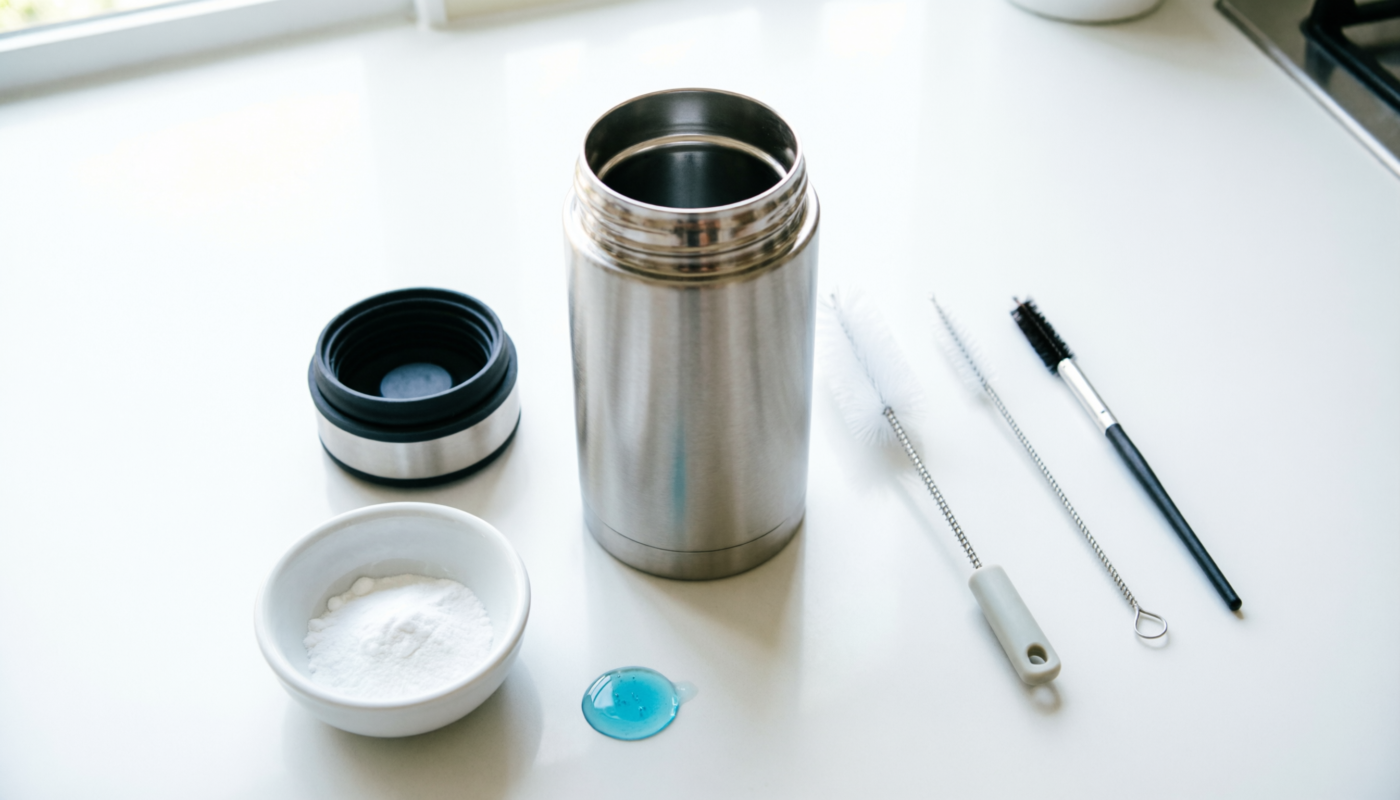
The fix is simple: use the right tumbler cleaning brushes, wash the hidden parts properly, and let everything dry before closing it again. A long bottle brush, straw brush, and small lid-detail brush can reach the areas a regular sponge usually misses.
For daily use, clean your tumbler with warm water and dish soap, scrub the inside with tumbler cleaning brushes, remove the lid parts, clean the straw, and air-dry everything separately. Once a week, do a deeper clean with baking soda or a safe disinfecting soak when needed. This helps prevent odor, residue buildup, and mold especially during Pakistan’s warm and humid months.
Why Tumblers Start Smelling
Even if you mostly drink water, a closed and damp tumbler can still develop odor. Add coffee, chai, milk, juice, Rooh Afza, lemon water, or protein shakes, and the smell can build up even faster.
The most common odor spots are.
Straw interiors
Lid grooves and threads
Sip spouts
Silicone gaskets or rubber rings
Bottom corners of the tumbler
These areas trap moisture and residue. If they are only rinsed, not scrubbed, the smell usually comes back.
Choosing the Right Tumbler Cleaning Brushes
One brush is rarely enough. A good cleaning setup usually includes a few different tools for different parts of the tumbler.
Long Bottle Brush
This is the main brush for the tumbler body. Choose one with a long handle so it can reach the bottom easily. The bristles should be firm enough to remove stains but not so harsh that they scratch the inside.
A long bottle brush is especially useful for tall tumblers where your hand cannot reach the base.
Straw Cleaning Brush
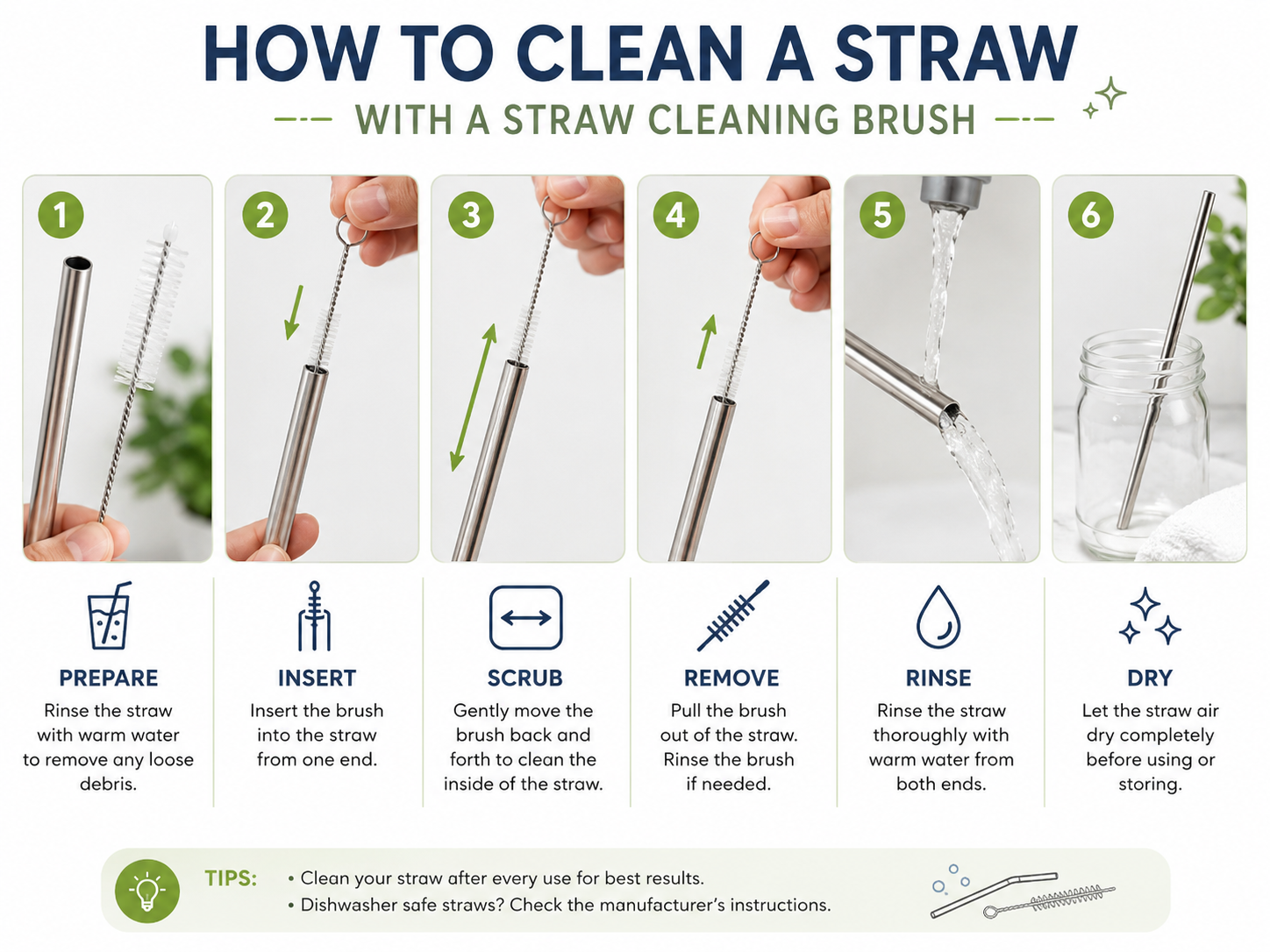
If your tumbler has a straw, this brush is non-negotiable. Rinsing a straw is not the same as cleaning it. A thin straw brush scrubs the inside walls and removes residue that can cause smell.
For daily straw users, this is often the fastest way to fix that “weird taste” problem.
Lid Detail Brush
Lids are where most people miss the real dirt. A small detail brush helps clean.
Lid threads
Sip spouts
Rubber stoppers
Gasket grooves
Tiny corners around the opening
This brush is small, but it makes a big difference.
Silicone Brush Option
Silicone brushes are gentler and easier to rinse clean. They are a good option if your tumbler has a special coating or you are worried about scratches.
In practice, many people keep both types: a silicone brush for everyday washing and a bristle brush for deeper weekly cleaning.
Daily Tumbler Hygiene Routine
This routine takes only a few minutes and works well for busy homes, students, office workers, and commuters in Pakistan.
Rinse Right After Use
After coffee, chai, milk, juice, or any sweet drink, rinse the tumbler as soon as possible. This stops residue from drying and sticking to the walls.
A quick rinse after use makes the actual wash much easier later.
Wash with Warm Water and Dish Soap
Add a little dish soap and warm water. Then use tumbler cleaning brushes to scrub:
Interior walls
Bottom corners
Rim
Threads
Outer mouth area
Avoid steel wool or very harsh scrubbers. They can scratch the surface and make future buildup worse.
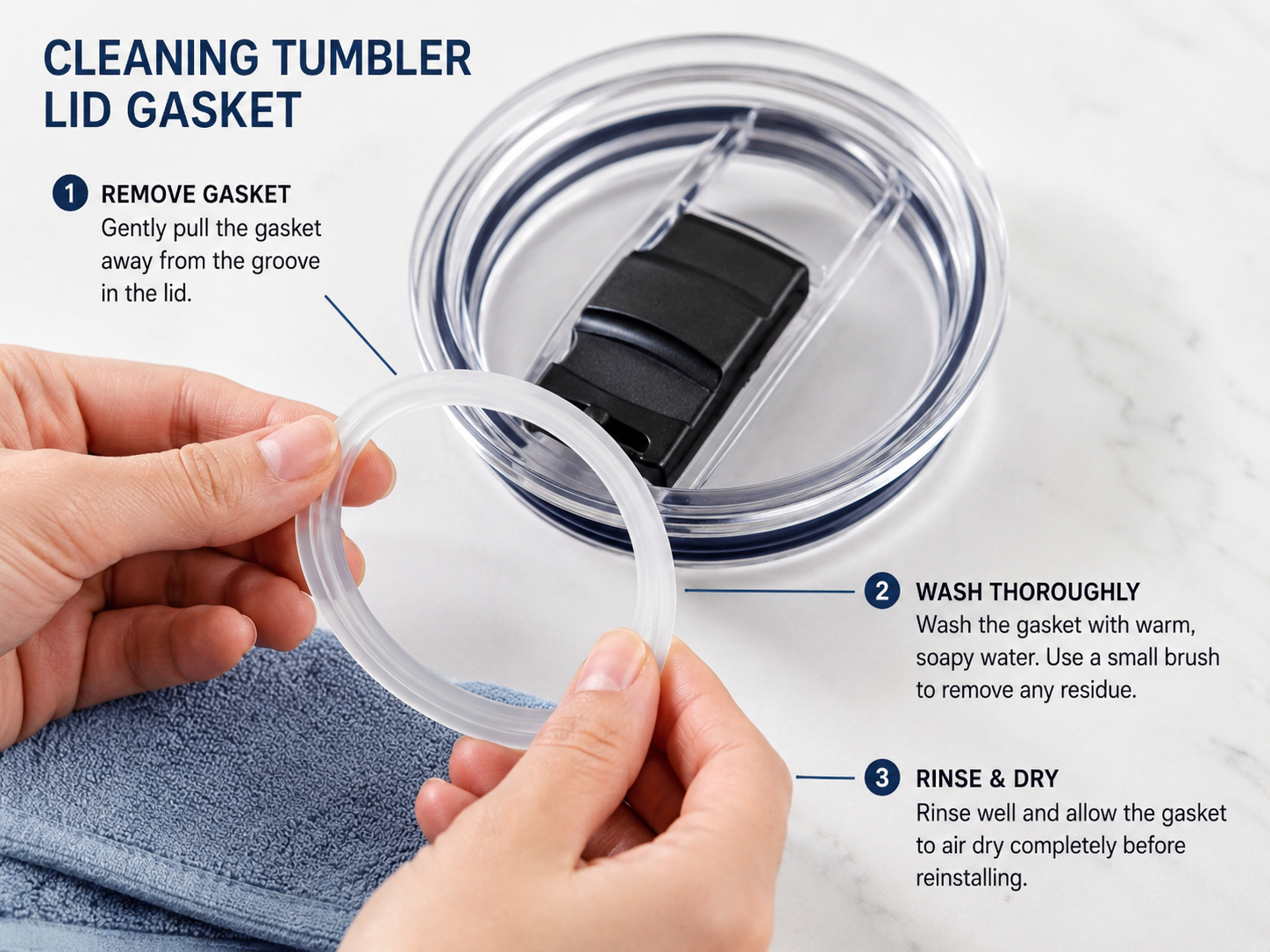
Disassemble the Lid
Do not wash only the cup and ignore the lid. Remove the parts if your tumbler design allows it, including:
Straw
Silicone gasket
Rubber ring
Stopper pieces
Sliding sip cover
Scrub these parts with a small detail brush. The gasket is especially important because it often holds smell.
Clean the Straw Properly
Run warm soapy water through the straw, then push a straw brush through it. Move the brush back and forth a few times.
Rinse well until there is no soap left. Then place the straw upright or on a clean rack to dry.
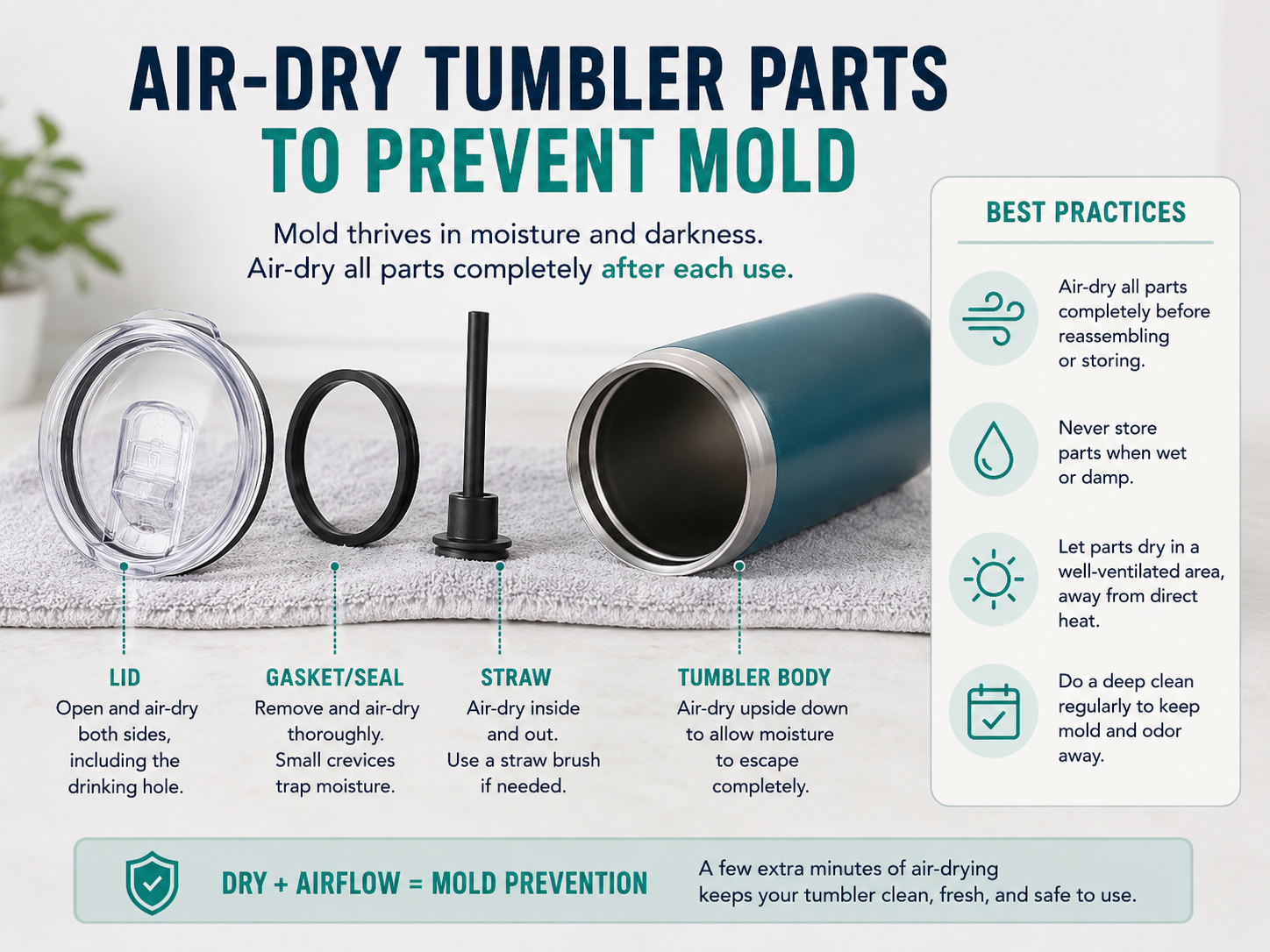
Air-Dry Everything Separately
Drying is part of cleaning. Keep the cup, lid, straw, and gasket separate until fully dry.
Do not close the tumbler while it is still damp. In Karachi’s humid weather or during hot Pakistani summers, a closed damp tumbler can start smelling again within a short time.
Weekly Deep Clean for Tumbler Cleaning Brushes and Cups
If you use your tumbler daily, do a weekly reset. This is especially helpful for tea, coffee, milk, juice, or flavored water users.
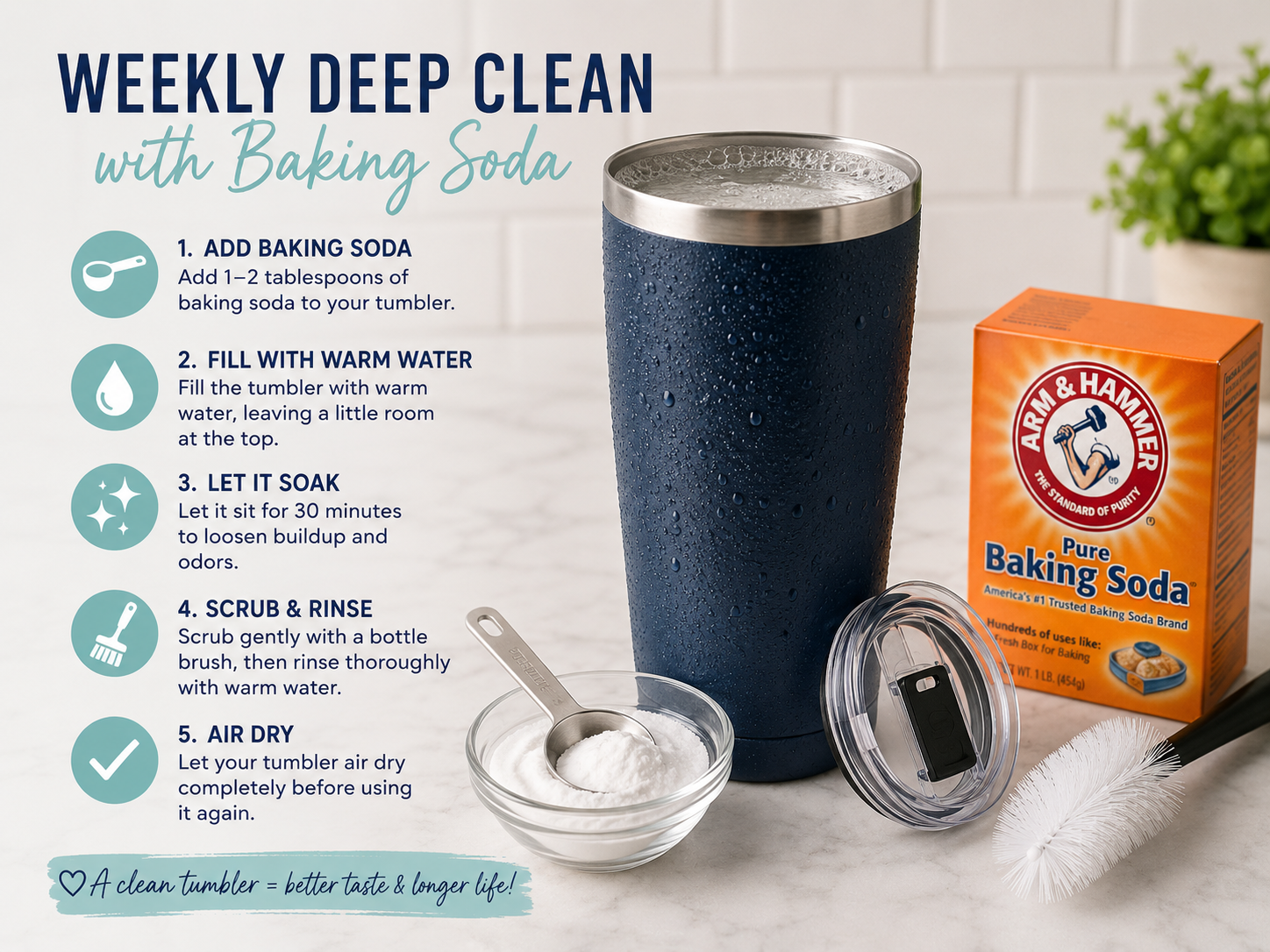
Baking Soda Soak
This is an easy and affordable option.
Fill the tumbler with warm water
Add 1–2 teaspoons of baking soda
Soak for 30–60 minutes
Scrub with tumbler cleaning brushes
Rinse thoroughly
Air-dry completely
Baking soda is useful for mild odor and residue. It is also gentle enough for regular deep cleaning.
Disinfecting Soak
If you suspect mold or the smell is stubborn, a safe diluted disinfecting soak can help. Use it only when needed and follow proper dilution instructions.
Do not mix cleaning chemicals. Also, rinse the tumbler and parts extremely well afterward.
For most households, daily dish soap washing plus weekly baking soda cleaning is enough.
Hygiene Tips Most People Miss
Small habits can prevent most tumbler smell problems.
Do Not Top Up Old Water
Adding fresh water over yesterday’s leftover water may feel harmless, but it can cause odor. Empty, rinse, and refill instead.
Do Not Share the Straw
Sharing a straw can transfer bacteria. Keep your tumbler personal, especially at school, university, work, or the gym.
Never Store It Closed While Damp
This is one of the biggest reasons tumblers smell even after washing. Let every part dry first.
Replace Old Brushes
If your brush smells, feels slimy, or has bent bristles, replace it. A dirty brush will not clean your tumbler properly.
Keep Separate Brushes for Strong Drinks
If you use one tumbler for iced coffee and another for water, keeping separate brushes can help reduce smell transfer.
For example, a student in Lahore using the same tumbler for coffee and chilled water may notice the smell keeps returning. A separate brush plus weekly baking soda soak can solve the issue quickly.
Mistakes That Can Damage Your Tumbler
A tumbler should be cleaned well, but not aggressively. Avoid these common mistakes.
Using steel wool
Scrubbing with harsh abrasives
Ignoring the silicone gasket
Assuming every tumbler is dishwasher-safe
Closing the tumbler before it is dry
Soaking parts too long without rinsing properly
When unsure, use warm water, mild dish soap, and tumbler cleaning brushes that reach the hidden areas.
Where to Buy Tumbler Cleaning Brushes in Pakistan
When shopping online in Pakistan, look for a brush set that includes.
Long bottle brush
Straw brush
Small lid-detail brush
Hook or stand for drying
Food-safe materials
Easy-grip handle
For payment, many Pakistani buyers prefer stores that offer COD, along with Easy paisa and Jazz Cash options. This is especially useful for buyers in Karachi, Lahore, Islamabad, and smaller cities where online payment habits vary.
A simple tumbler cleaning brush kit is usually cheaper than replacing a tumbler just because it developed a “mystery smell.”
Final Thoughts
A clean tumbler is not about being extra. It is about better taste, better hygiene, and making your daily drink routine more comfortable.
With the right tumbler cleaning brushes, you can remove hidden residue, stop bad smell, clean straws properly, and keep your cup fresh for longer. The routine is simple: wash daily, clean the lid and straw, air-dry fully, and do a weekly deep clean.
Whether you are stuck in Karachi traffic, carrying cold water on a Lahore campus, or working from home anywhere in Pakistan, a clean tumbler makes every sip better.
FAQs
Q : How often should I wash my tumbler?
A : Wash your tumbler daily, especially if you drink tea, coffee, milk, juice, or flavored water. Even for water-only use, daily washing helps prevent odor and film. A weekly deep clean keeps the lid, straw, and gasket fresher.
Q : How do I clean a tumbler straw properly?
A : Use warm soapy water and scrub the inside with a straw brush. Rinse thoroughly and let it air-dry with airflow. Rinsing alone usually does not remove residue from inside the straw.
Q : How do I remove bad smell from my tumbler?
A : Remove the lid parts and silicone gasket first. Soak the tumbler and parts in warm water with baking soda for 30–60 minutes, then scrub with tumbler cleaning brushes. Rinse well and air-dry before closing.
Q : Why does my tumbler smell even after washing?
A : The smell is usually hiding in the lid grooves, straw, threads, or silicone gasket. Another common reason is storing the tumbler while it is still damp. Deep-clean the parts and let everything dry separately.
Q : Are silicone brushes better than bristle brushes?
A : Silicone brushes are gentler and easier to rinse clean, while bristle brushes usually scrub tougher stains better. Many people use silicone brushes for daily cleaning and bristle brushes for weekly deep cleaning.
Q : Can I use bleach to disinfect a tumbler?
A : Only use it occasionally and only with proper dilution. Rinse extremely well afterward and never mix it with other cleaning chemicals. For normal use, dish soap and weekly baking soda cleaning are usually enough.
Q : When should I replace my tumbler cleaning brush?
A : Replace it when the bristles bend, the brush smells, or it feels slimy even after washing. A clean brush is part of proper tumbler hygiene.