Blogs
Teacher-Recommended Educational Toys: Best Learning Toys for Kids in Pakistan

Apr
Teacher-Recommended Educational Toys for Pakistani Parents (Guide)
Buying toys is easy. Buying toys that genuinely help a child learn is harder, especially when almost every product claims to be “educational.”
That is where teacher-recommended educational toys stand out. These are the toys teachers usually prefer because they build useful skills through play, not just noise and short-term excitement. The best ones help children develop problem-solving, language, fine motor control, early math, creativity, and confidence.
If you are looking for teacher-recommended educational toys in Pakistan, the smartest options are age-appropriate, open-ended, and easy to use again and again. In practical terms, that usually means puzzles, blocks, pretend play sets, alphabet toys, and beginner STEM kits. In Pakistan, it also makes sense to choose toys from stores that clearly offer COD, easy exchanges, and payment options such as Easy paisa or Jazz Cash.
Why teachers recommend certain educational toys
Teachers see something parents often notice later: children learn better when play is active, repeatable, and slightly challenging.
Most teacher-recommended educational toys have a few things in common.
They require the child to do something: sort, build, match, stack, solve, or imagine.
They are open-ended, so kids can use them in more than one way.
They grow with the child instead of becoming boring after two days.
They support focus and patience rather than passive button-pressing.
They give children small wins, which builds confidence.
That is why many teachers prefer blocks over flashy battery toys, or a puzzle over a toy that only lights up and sings.
For a broad starting point, you can direct readers to instead of pushing random impulse buys.
Teacher-recommended educational toys by age
Ages 1–2: early motor and sensory learning
At this stage, teachers usually look for toys that strengthen grip, coordination, and simple cause-and-effect learning.
Good options include.
Shape sorters
Stacking rings or stacking cups
Large-piece puzzles
Busy boards with zips, latches, and switches
These toys help toddlers practice hand-eye coordination, matching, balance, and fine motor control.
For parents in Pakistan, safety matters just as much as learning. Check edges, paint quality, and loose parts carefully, especially when ordering from a new seller through COD.
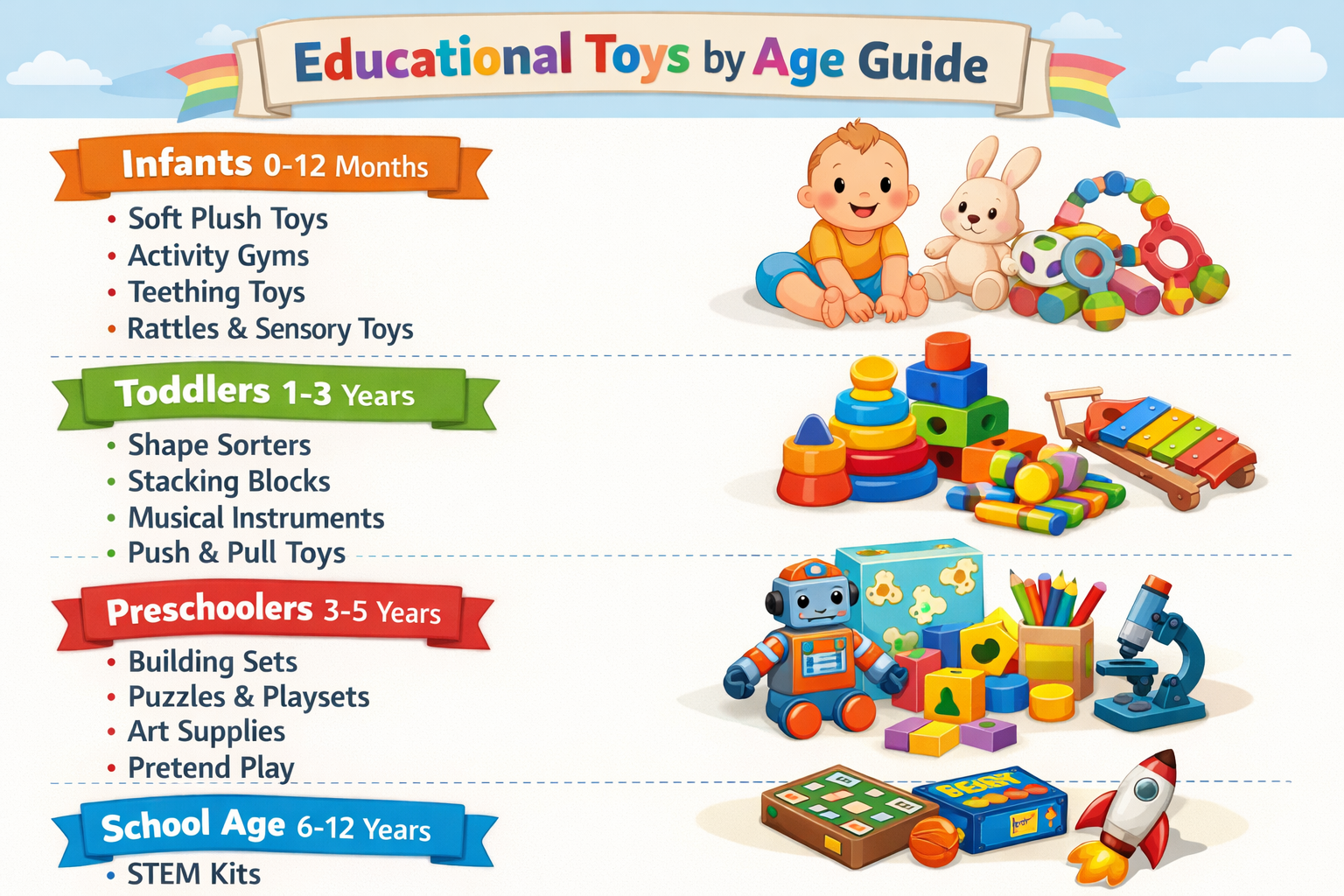
Ages 3–4: preschool readiness
This is the stage where children start asking questions constantly, noticing patterns, and showing interest in letters, numbers, and pretend play.
Strong teacher-recommended educational toys for this age include.
Alphabet boards
Letter matching toys
Number puzzles from 1–20
Color and shape sorting games
Pretend play sets like kitchen toys or doctor kits
A reliable choice here is a because it is simple, durable, and easy to use in short daily sessions.
In practice, many families get better results when they keep play simple. For example, a parent in Lahore might pair an alphabet board with quick sound games like, “Can you find A for apple?” That kind of repetition feels playful, but it builds real readiness for school.
Ages 5–7: reading, math, and logic
By early primary years, children can follow instructions, complete short challenges, and enjoy activities with clearer goals.
Useful picks at this stage include.
Jigsaw puzzles with 50–100 pieces
Counting sticks or abacus-style toys
Word-building tiles
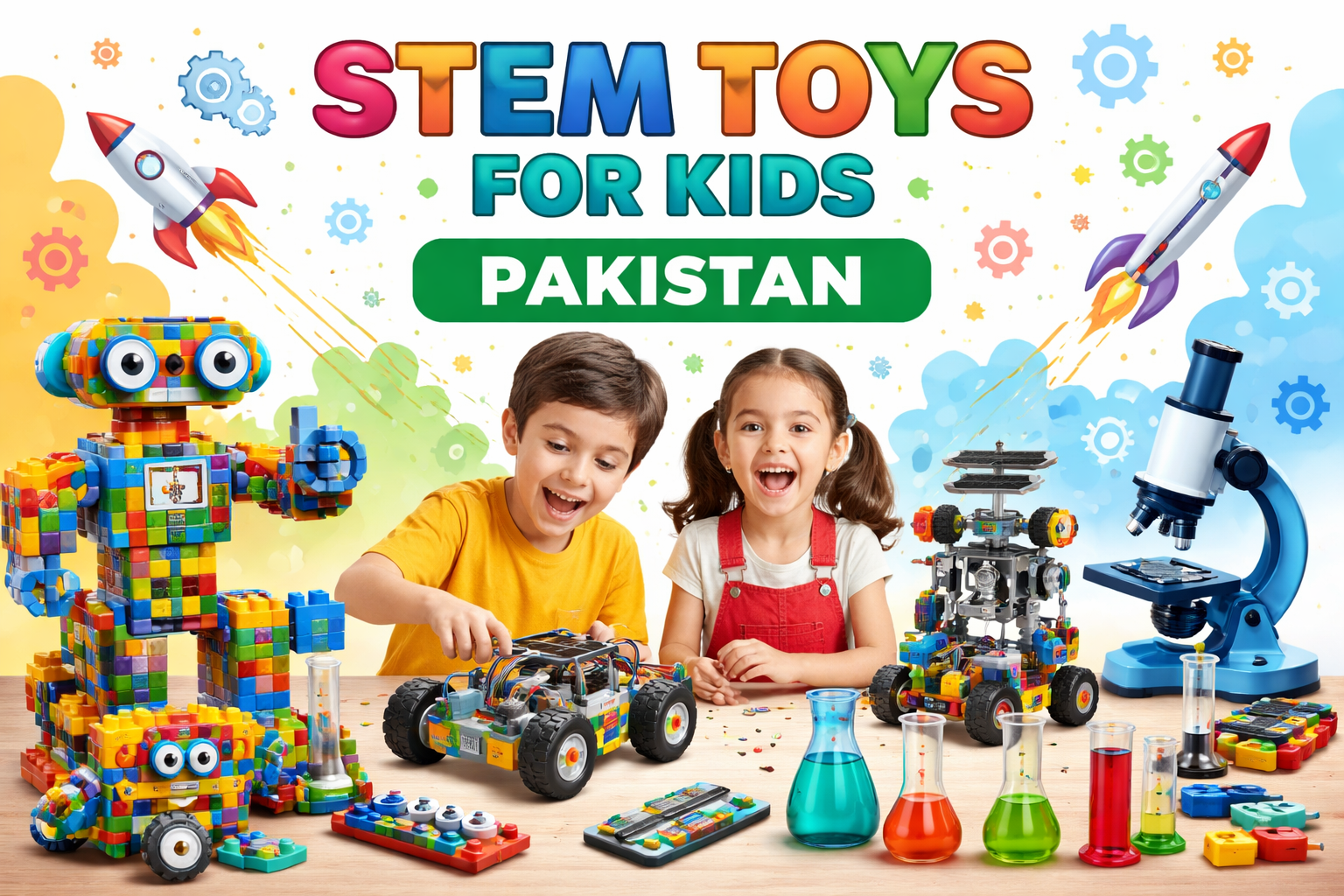
Beginner STEM kits with magnets, gears, or simple circuits
These toys support early literacy, number confidence, logic, and curiosity.
A practical category to highlight because they make science feel hands-on instead of intimidating.
Ages 8–12: problem-solving, creativity, and independence
Older children usually need more challenge. If the toy feels too easy, they lose interest fast.
At this age, teachers often recommend.
Advanced building sets
Robotics or coding logic kits
Strategy board games
Art and craft kits
These toys can strengthen planning, patience, creative thinking, and independent problem-solving.
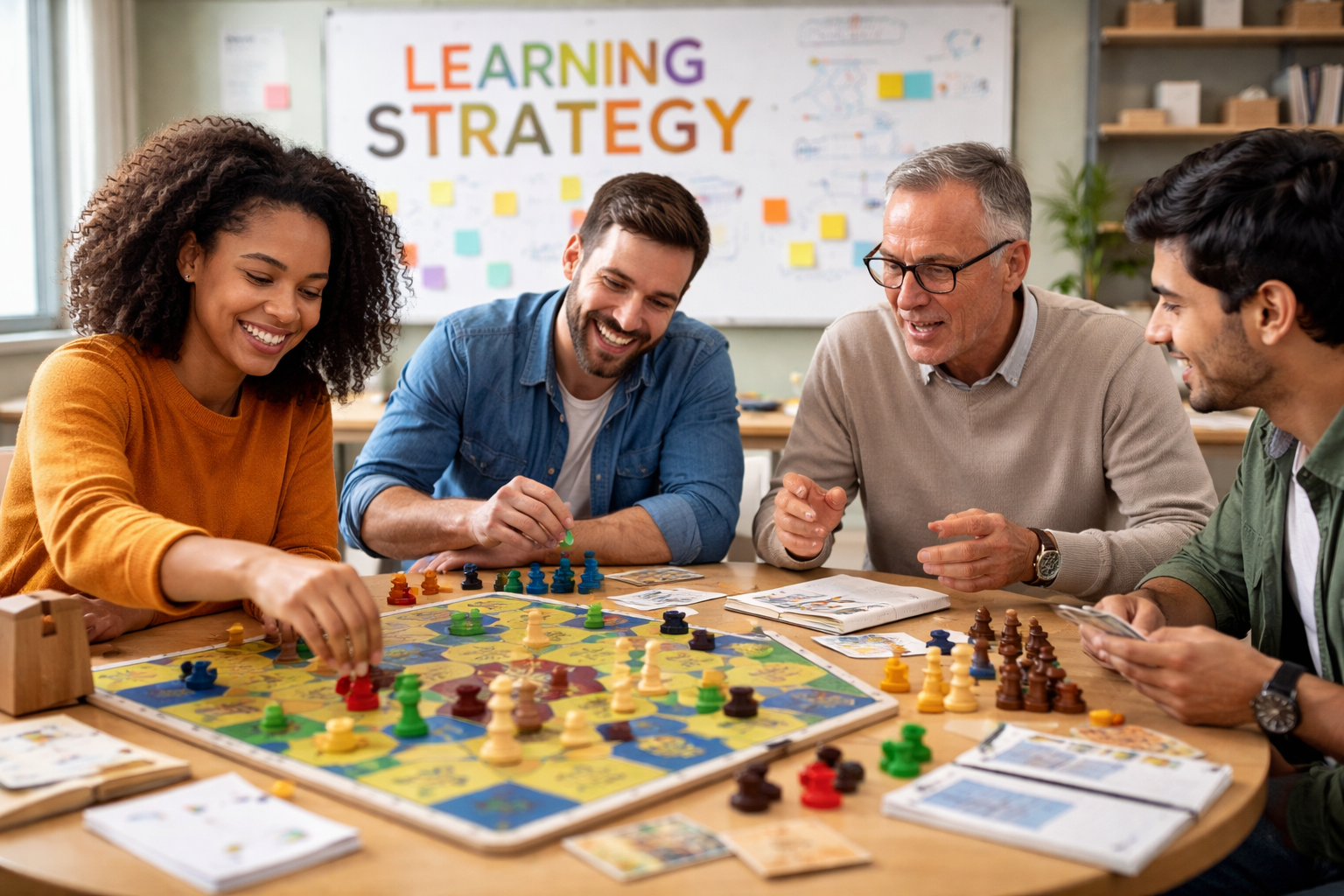
For family play, are a smart pick because they build communication and teamwork while still feeling fun.
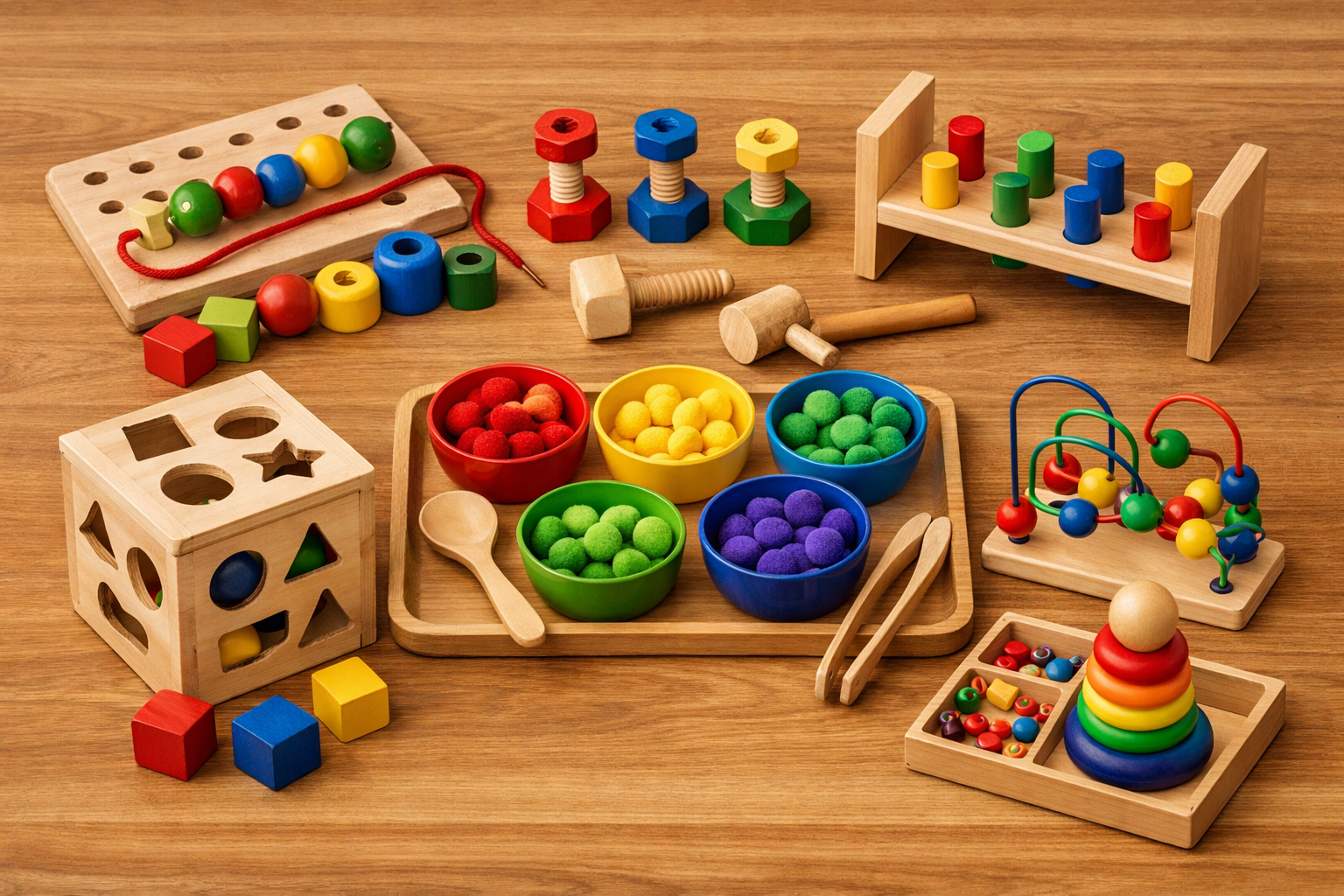
What skills do teacher-recommended educational toys build?
Fine motor skills
Toys such as beads, lacing cards, peg boards, and clay sets help children strengthen the small hand movements they need for writing, buttoning, and controlled drawing.
Language and communication
Pretend play sets, story cards, and describe-and-guess games help children build vocabulary and express themselves more confidently in English, Urdu, or both.
Math and logic
Pattern blocks, number puzzles, counting games, and tangrams introduce early math in a natural way. Children begin to notice sequences, shapes, quantity, and problem-solving without feeling like they are doing schoolwork.
Focus and emotional regulation
Puzzles, building tasks, and calm sensory toys can help children stay with one activity longer, try again after mistakes, and work through frustration more calmly.
For shoppers who want a balanced option, often work well because they encourage independent, hands-on play.
How to choose the right teacher-recommended educational toys
A toy does not have to be expensive to be useful. It just needs to fit the child.
Use this checklist.
Match the toy to the child’s current age and skill level.
Choose open-ended toys over single-function entertainment toys.
Check safety details, especially for children under 3.
Look for toys with repeat play value.
Prioritize fun first, because that is how learning sticks.
From a parent’s point of view, the best educational toy is often the one your child returns to every week without being forced.
Buying teacher-recommended educational toys in Pakistan
Parents and gift buyers in Pakistan usually think beyond the toy itself. Convenience, payment trust, and delivery speed matter too.
A few smart buying tips:
COD is useful for trust: especially when ordering from a new online store.
Prepaid orders can be faster: some sellers dispatch quicker when payment is made through Easy paisa or Jazz Cash.
Big cities often get quicker delivery: Karachi, Lahore, Islamabad, Rawalpindi, Faisalabad, and Multan usually have better delivery coverage than smaller towns.
Bundles can save money: a puzzle plus an art kit can sometimes offer better value than one flashy electronic toy.
Skill-based gifts last longer: puzzles, blocks, and pretend play sets usually stay useful longer than novelty toys.
A Karachi parent buying for a Grade 1 child, for example, might choose one logic puzzle and one creativity kit. That gives the child variety and keeps both toys relevant for longer, which is exactly why teachers lean toward teacher-recommended educational toys in the first place.
Common mistakes to avoid
Even good intentions can lead to poor toy choices. A few common mistakes include.
Buying a toy that is too advanced for the child
Choosing noisy toys that keep the child passive
Focusing on branding instead of learning value
Ignoring safety and material quality
Buying too many toys at once instead of rotating a few good ones
In many homes, fewer better toys work far better than shelves full of distractions.
Concluding Remarks
Choosing teacher-recommended educational toys makes toy shopping simpler and more meaningful. The best toys support real development through play, helping children build language, logic, fine motor skills, creativity, and focus in a natural way.
For families in Pakistan, it also helps to buy smart: choose safe, age-appropriate toys from stores with clear COD policies, easy exchanges, and familiar payment options like Easy paisa or Jazz Cash.
A strong toy shelf does not need to be huge. Start with a few essentials such as puzzles, blocks, sorting toys, pretend play, and one STEM or art option. Rotate them over time, and you will often get better engagement with less clutter.
FAQs
Q : What are teacher-recommended educational toys?
A : Teacher-recommended educational toys are toys that help children learn useful skills through active play. They often support language, fine motor development, early math, problem-solving, and creativity.
Q : Which educational toys are best for toddlers in Pakistan?
A : For toddlers, teachers usually suggest shape sorters, stacking cups, large-piece puzzles, and busy boards. These are simple, skill-building, and easier to assess for safety at home.
Q : How do I choose the right educational toy by age?
A : Start with your child’s current ability, not only their age. The right toy should feel a little challenging but still achievable, so the child stays engaged instead of frustrated.
Q : Are Montessori toys always teacher-recommended?
A : Not always. Many Montessori-style toys are teacher-friendly, but the label alone is not enough. Look for simple design, durable materials, open-ended play, and a clear learning purpose.
Q : Do teacher-recommended educational toys help with school performance?
A : They can support school readiness by improving attention, language, fine motor control, and early logic. They do not replace teaching, but they can make learning skills easier to practice at home.