
Blogs
Math & Logic Educational Toys for School Kids in Pakistan (Best Picks + Buying Guide)
Apr
Best Math & Logic Educational Toys for School Kids (Pakistan Parent Guide)
If homework time turns into daily stress, the right play-based tools can make a real difference. Math and logic educational toys for school kids help children build number sense, reasoning, focus, and problem-solving in a way that feels enjoyable instead of forced.
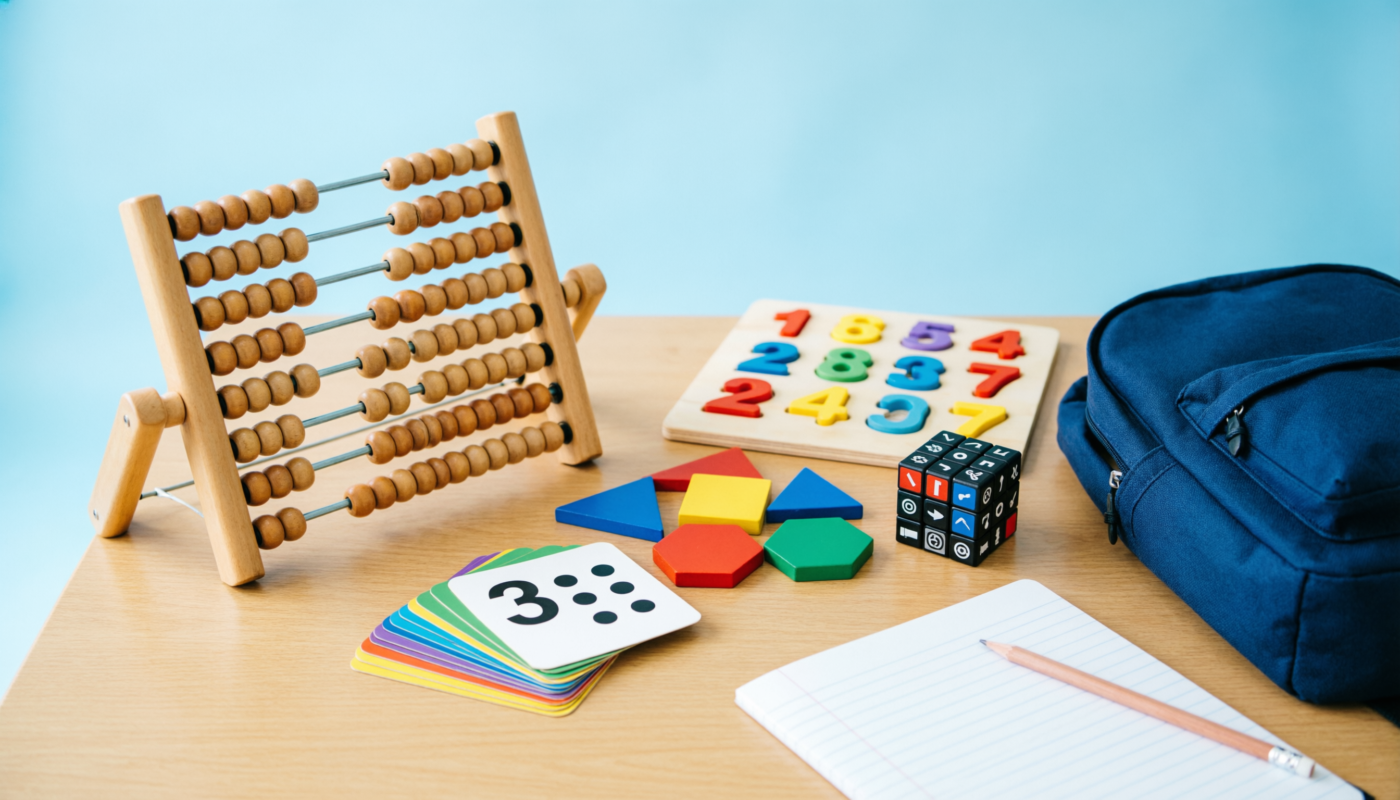
For Pakistani parents, teachers, and gift buyers, the best options are usually simple, durable, and easy to use at home. Think abacus sets, number puzzles, pattern blocks, flashcards, and logic games. When chosen by age and grade, these toys can support school learning, reduce math anxiety, and make practice more consistent.
Why math and logic toys matter
Many children do not struggle with math because they lack ability. They struggle because the basics are shaky, or because they do not know how to think through a problem step by step.
That is where math and logic educational toys for school kids can help. Good toys turn abstract ideas into something children can see, touch, and repeat. In practice, that often leads to better confidence before it leads to better marks.
These toys can support.
Counting and number recognition
Place value and basic operations
Pattern spotting
Memory and concentration
Step-by-step reasoning
Patience during challenging tasks
They also help beyond math class. Logical thinking supports science, reading comprehension, and everyday decision-making too.
Best math and logic educational toys for school kids
Not every toy labeled “educational” is worth buying. The strongest options are the ones that match what children are already learning in school and give them repeated, hands-on practice.

Abacus and number frames
Abacus sets remain one of the most useful tools for younger children. They make counting, addition, subtraction, and place value more visual.
They are especially helpful for children in early primary grades who still need to “see” numbers to understand them properly.
Best for: Grades 1–4
Skills supported: counting, regrouping, place value, early mental math
Magnetic number boards and number puzzles
Some children learn much faster when they can move numbers around with their hands. Magnetic boards and number puzzles make practice active, which helps concepts stick better than repeated notebook work alone.
These are a strong choice for home revision, especially for children who get bored easily with written practice.
Best for: Grades 1–5
Skills supported: number building, place value, basic operations, sequencing

Pattern blocks and shape logic sets
Pattern-based toys are great for children who enjoy building but dislike formal math. They introduce early geometry, visual reasoning, symmetry, and even fractions in a low-pressure way.
For many school-age kids, this is where logic starts to feel fun.
Best for: Grades 2–6
Skills supported: shapes, patterns, fractions, spatial awareness
Brain teasers, logic cubes, and strategy puzzles
If your goal is stronger focus and better problem-solving, this category is one of the best. These toys push children to plan, test ideas, and keep going after mistakes.
That matters because school success is not only about the right answer. It is also about learning how to think through a challenge.
Best for: Grades 3–8
Skills supported: logic, patience, planning, strategy, attention span
Math flashcards and quiz games
Flashcards work best when they are quick, colorful, and used in short sessions. They can improve speed, recall, and confidence, especially for tables, addition, subtraction, and basic fractions.
For younger children in Pakistan, bilingual options can be especially useful.
Best for: Grades 1–6
Skills supported: speed, recall, confidence, daily revision
How to choose by age and grade
A simple rule works well: buy according to what the child is learning right now, not what you hope they will learn six months later.
Grades 1–2
At this stage, children benefit most from toys that teach.
Counting
Number recognition
Pace value
Simple addition and subtraction
Best choices: abacus sets, number frames, number boards, simple puzzles

Grades 3–5
Children in these grades usually need more practice with.
Multiplication
division basics
Patterns
Problem-solving
Visual reasoning
Best choices: magnetic boards, pattern blocks, beginner logic games, strategy puzzles
Grades 6–8
Older children often need toys that support more advanced thinking, such as.
Multi-step reasoning
Logic chains
Planning
Strategy
Persistence
Best choices: advanced brain teasers, logic puzzles, strategy board games, higher-level problem-solving sets
What Pakistani parents should check before buying
When shopping for math and logic educational toys for school kids in Pakistan, practicality matters just as much as learning value.
Look for these things first.
Durability
Toys should survive regular home use, especially if they will be used by siblings too.
One clear learning purpose
A toy should help with a specific skill such as counting, patterns, or reasoning.
Correct age fit
Too easy feels boring. Too difficult feels frustrating.
Safe materials
Smooth edges and child-safe finishes matter, especially for younger users.
Easy buying options
Many families prefer Cash on Delivery, while Easy paisa and Jazz Cash are also useful for quick payments.
Storage
Toys with many pieces should come with a box, tray, or pouch.
For shoppers in Karachi, Lahore, Islamabad, and other major cities, fast delivery and simple payment options often make a big difference when buying gifts or school support items.
Two simple home routines that work
You do not need a long schedule to make these toys useful. Short, repeatable routines usually work better.
15 minutes after Maghrib
This routine is easy for many Pakistani households to maintain.
10 minutes with a puzzle or logic toy
5 minutes with flashcards or a quick number activity
That is enough to create consistency without making the child feel pressured.
Weekend challenge time
Set aside 10 to 20 minutes on the weekend for one focused activity. Let the child try to improve their own score or solve one more level than last time.
The goal is not competition with siblings. The goal is progress, confidence, and better thinking habits.
Are these toys a replacement for tuition?
Usually, no. They work best as a support tool, not a complete replacement.
Worksheets and schoolwork help children cover the syllabus. Math and logic educational toys for school kids help them build the foundations behind that syllabus. Used together, they often make learning feel smoother and less stressful.
From a parent’s point of view, that is the real win: less resistance, better practice, and more confidence over time.

Final Thoughts
The best math and logic educational toys for school kids are the ones children actually use again and again. A simple abacus, a sturdy number board, a set of pattern blocks, or a logic puzzle can do far more than an expensive toy that gets ignored after one day.
Start small. Choose one toy that matches your child’s grade and current school needs. Keep sessions short. Stay consistent. Over time, those small daily wins can build stronger math basics and sharper thinking.
For families in Pakistan, it also makes sense to buy from stores that offer COD, Easy paisa, or Jazz Cash, especially when ordering across cities. A practical purchase, used well, can turn playtime into meaningful learning.
FAQs
Q : What are the best math and logic educational toys for school kids?
A : The best options usually include abacus sets, magnetic number boards, number puzzles, pattern blocks, flashcards, and logic cubes. The right choice depends on the child’s grade level, attention span, and current school topics.
Q : How do math and logic educational toys help in school?
A : They strengthen number sense, reasoning, focus, and step-by-step problem-solving. That can help children perform better in classwork, homework, and exams over time.
Q : Which toy is best for a child who does not like math?
A : Start with logic-based toys such as pattern blocks, shape games, or brain teasers. These feel less like formal math and can build confidence before you introduce number-focused activities.
Q : How long should children use educational toys daily?
A : Around 10 to 20 minutes per day is enough for most children. Short sessions are easier to maintain and less likely to feel like extra schoolwork.
Q : Do I need expensive STEM kits?
A : Not at all. Many children learn very well with affordable, well-made basics like an abacus, number board, or simple puzzle. Skill match matters more than price.