Blogs
Learning Toys in Pakistan 2026: Brain Development from Age 1–5
Mar
Learning Toys in Pakistan 2026: Montessori, Sensory & STEM Picks (1–5 Years)
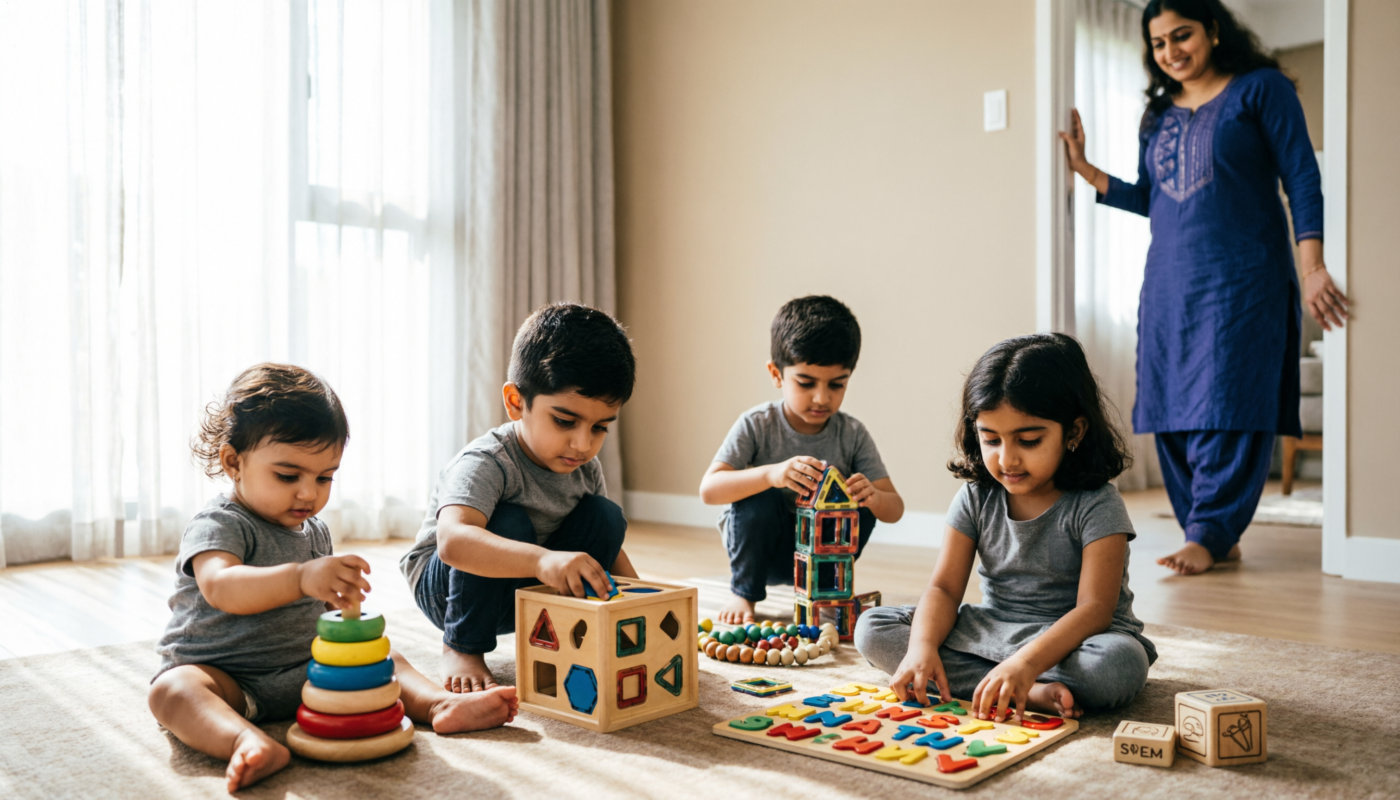
Choosing the right learning toys in Pakistan is less about buying more and more about buying smarter. Between ages 1 and 5, kids build the foundations for speech, attention, memory, motor control, and confidence. The best toys support those skills through play, not pressure.
For most parents, the easiest way to choose is by development stage. Sensory and stacking toys work best for ages 1–2, puzzles and pretend play help ages 2–3, and building, STEM, and school-readiness toys suit ages 3–5. In Pakistan, practical details matter too: safe materials, easy cleaning, COD, and payment options like Easy paisa and Jazz Cash.
Why Ages 1–5 Matter for Brain Development
The years from 1 to 5 are a high-growth phase for the brain. This is when children begin connecting words to meaning, hands to movement, and play to problem-solving.
The right learning toys in Pakistan can support:
Language development through naming, storytelling, and pretend play
Executive function through turn-taking, focus, and memory
Fine motor skills through gripping, stacking, sorting, and lacing
Gross motor skills through movement-based play
Social-emotional growth through patience, sharing, and routine
In practice, children learn best when toys invite them to touch, repeat, build, sort, and imagine. That is why open-ended play usually outperforms flashy toys that only entertain for a few minutes.
Age 1–2: Sensory and Motor Skill Toys
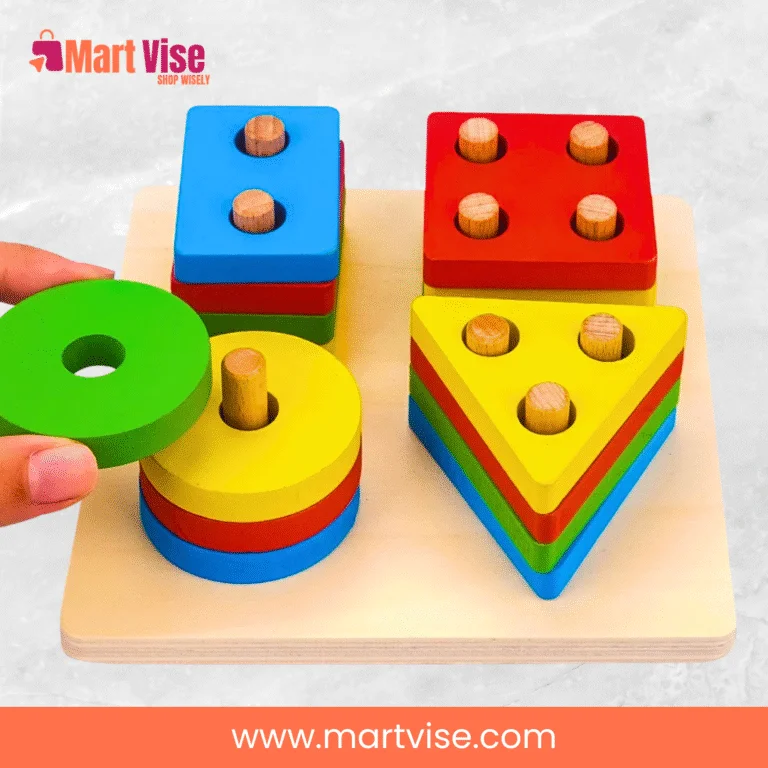
At this stage, toddlers learn through movement, repetition, and hands-on exploration. They grab, drop, shake, stack, and test everything. A good toy for this age should be safe, sturdy, and easy to clean.
Best toy types for ages 1–2
Stacking rings and stacking cups
Shape sorters
Sensory bins or tissue box toys
Big peg boards
Soft cloth books
Push-and-pull toys
These toys help build hand strength, coordination, attention span, and early cause-and-effect thinking.
Parents shopping for learning toys in Pakistan for 1-year-olds should look closely at materials. Check for BPA-free plastic, smooth wooden edges, and no small detachable parts. For families ordering online, this matters even more when buying through city-based delivery platforms.
Age 2–3: Language Growth and Early Logic Toys
This is the stage where many toddlers start talking more, asking constant questions, and copying what they see around them. Their vocabulary grows quickly, and they begin connecting actions with outcomes.
Best toy types for ages 2–3
6–12 piece puzzles
Matching cards
Pretend-play sets
Lacing beads
Simple musical instruments
Picture and story cards
These toys support memory, speech, listening, patience, and early logic.
A simple routine can make a big difference. Many parents in Karachi and other busy cities find that replacing one short screen-time slot with a matching game or pretend-play session helps children stay more engaged and verbal over time. It does not need to be a long activity. Even 10–15 minute sessions can become a strong daily habit.
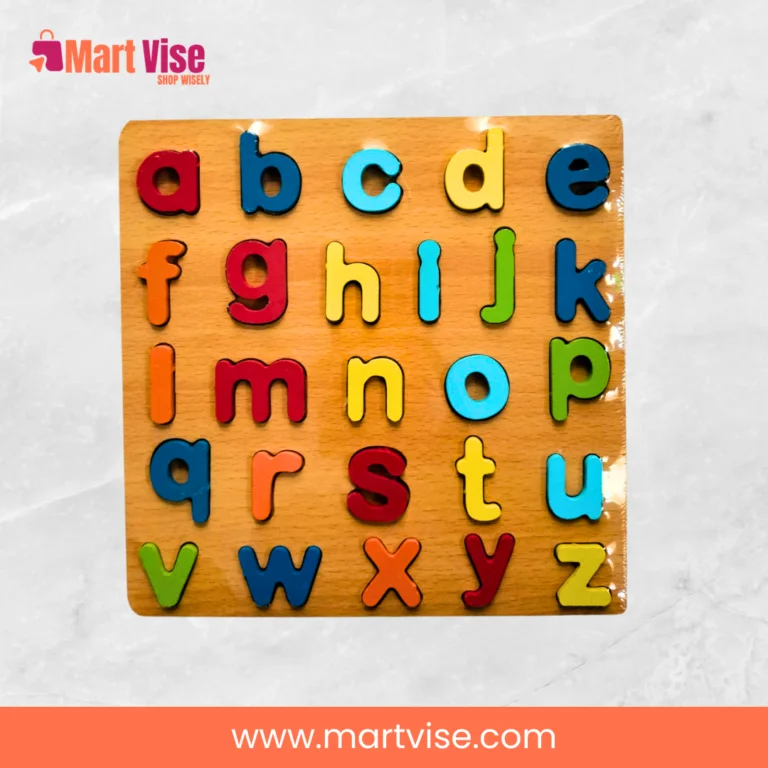
Age 3–4: Creativity and Problem-Solving Toys
By this age, kids can follow basic instructions, stay with a task for longer, and enjoy more structured play. They also love to build something, break it, and build it again.
Best toy types for ages 3–4
Building blocks
Magnetic tiles
Story cards
Color and shape sorting kits
Beginner board games
Simple art-based learning toys
This is where preschool learning toys start to shine. The strongest options combine creativity with logic. A child who can build, explain, sort, compare, and retell is developing skills that will carry into preschool and beyond.
For Pakistani parents, this is also the age where Montessori toys Pakistan searches often increase. That makes sense. Montessori-style toys usually keep children involved without loud sounds or overstimulation, which many families prefer for home routines.
Age 4–5: Early STEM and School Readiness Toys
Ages 4 to 5 are ideal for toys that build focus, sequencing, confidence, and early numeracy. Kids at this stage are often ready for more structured challenges, as long as the activity still feels playful.
Best toy types for ages 4–5
Simple STEM kits with gears, magnets, or ramps
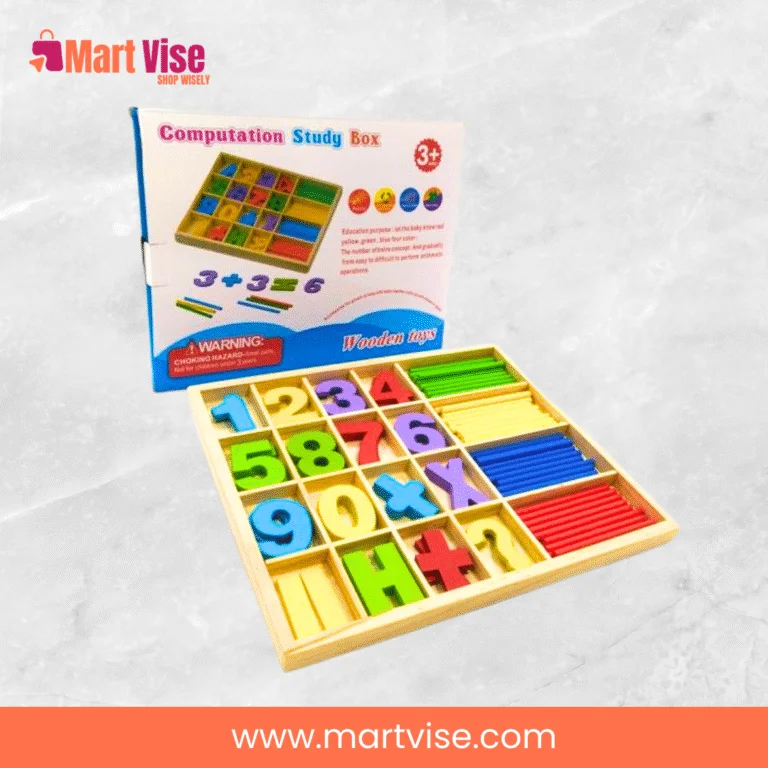
Counting boards and abacus sets
Pattern blocks
Role-play school kits
Beginner coding toys
Simple board games with rules
These are some of the most useful learning toys in Pakistan for school readiness. They help children practice memory, planning, turn-taking, and problem-solving before formal classroom expectations increase.
A routine like “build and tell” works especially well at this age. Let your child build something with blocks or tiles, then explain what they made. That one habit can support sentence formation, confidence, and attention without turning play into tuition.

What to Check Before Buying Learning Toys in Pakistan
When comparing educational toys Pakistan listings, use a simple filter before you buy.
Quick 2026 checklist
Check the age label, but also match the toy to your child’s real skill level
Look for safety first: non-toxic paint, smooth edges, and no choking hazards
Choose open-ended toys that can be used in more than one way
Match the toy to a skill goal such as speech, fine motor, logic, or social play
Check payment and delivery options, especially COD, Easy paisa, and Jazz Cash
Review the return or exchange policy before ordering
Read product reviews for quality, durability, and packaging feedback
This matters a lot in Pakistan, where shopping habits vary city to city. In Karachi, Lahore, Islamabad, Rawalpindi, and Faisalabad, parents often prefer fast dispatch and reliable delivery updates. Many also choose stores that offer cash on delivery because it feels lower-risk for first-time purchases.
Montessori, Sensory, and STEM Toys: Which One Is Best?
Parents often see these labels everywhere, but they are not interchangeable.
Montessori toys
Best for independent, hands-on learning. Good for sorting, stacking, sequencing, and focus.
Sensory toys
Best for younger toddlers and children who learn through touch, sound, texture, and repetition.
STEM toys
Best for older preschoolers who are ready for building, experimenting, and basic problem-solving.
For most families, the smartest approach is not choosing only one category. A balanced toy shelf usually works better: sensory toys for early exploration, Montessori-style toys for calm focus, and STEM toys later for structured thinking.
How to Build a Better Play Routine at Home
You do not need a playroom full of expensive products. A few well-chosen learning toys in Pakistan can do more than a pile of random toys that never get reused.
Try this simple routine:
Pick one toy based on your child’s current stage
Use it for 15 minutes daily
Sit with your child and describe what they are doing
Ask simple questions
Rotate toys every few days to keep interest fresh
Many parents notice that consistent short sessions work better than occasional long ones. That is especially true when trying to reduce screen time. Replacing one screen slot after Maghrib or before bedtime with a toy routine can create a calmer, more useful habit.
Final Words
The best learning toys in Pakistan for ages 1–5 are the ones that match your child’s stage and invite active play. Start with sensory and stacking toys at 1–2, move into puzzles and pretend play at 2–3, then add creativity, building, and early STEM as your child grows.
You do not need the most expensive toy on the market. You need the right toy, used consistently, with a little parent involvement. That is what supports early brain development in a way that feels natural at home.
Explore our age-wise collections, shop with COD or Easy paisa/Jazz Cash, and choose toys that make playtime more meaningful for your child across Pakistan.
FAQs
Q : What are the best learning toys in Pakistan for a 1-year-old?
A : For age 1, start with stacking cups, shape sorters, cloth books, and big peg toys. These help with coordination, hand strength, and early attention. Safety and washable materials should come first.
Q : How do learning toys help brain development from age 1–5?
A : They build early brain connections through repetition, problem-solving, movement, and communication. Good toys support language, memory, coordination, and self-control. The key is choosing toys that match your child’s development stage.
Q : How can I choose age-appropriate learning toys in Pakistan?
A : Use the age label as a starting point, then look at your child’s actual skills. If your toddler still mouths objects, larger sensory toys are safer. If they can follow 2-step directions, they may be ready for puzzles, matching games, and simple building toys.
Q : Are Montessori toys good for Pakistani kids?
A : Yes, especially for toddlers and preschoolers. Montessori-style toys encourage hands-on learning, independence, and calm focus. They also fit well with parents looking for screen-free play options at home.
Q : How much should I spend on learning toys in Pakistan?
A : You do not need to overspend. A few durable, open-ended toys usually offer better value than many low-use items. Many parents prefer mid-range options with easy exchange policies and trusted delivery.
Q : How can I reduce screen time using learning toys?
A : Start with a swap habit. Replace one daily screen slot with a 10–15 minute toy routine using puzzles, blocks, pretend play, or sensory toys. Consistency matters more than doing long sessions.
Q : What learning toys improve speech for ages 2–3?
A : Pretend-play sets, picture cards, story cards, and simple matching games are strong choices. Toys that encourage naming, describing, and conversation are especially helpful during this stage.
Q : How do I know if a toy is safe for toddlers?
A : Check for non-toxic materials, smooth edges, sturdy parts, and pieces that are too large to become a choking risk. Also review seller ratings and return policies when ordering online in Pakistan.
Q : Which learning toys are best for school readiness at age 4–5?
A : Counting boards, pattern blocks, beginner STEM kits, and simple rule-based games are all useful. They help children build focus, sequencing, memory, and confidence before school routines become more structured.