

Blogs
Educational Card Games for Learning and Memory: Best Picks for Kids & Adults in Pakistan
Apr
Educational Card Games for Learning and Memory: Home Study, Travel, and Classroom Ideas
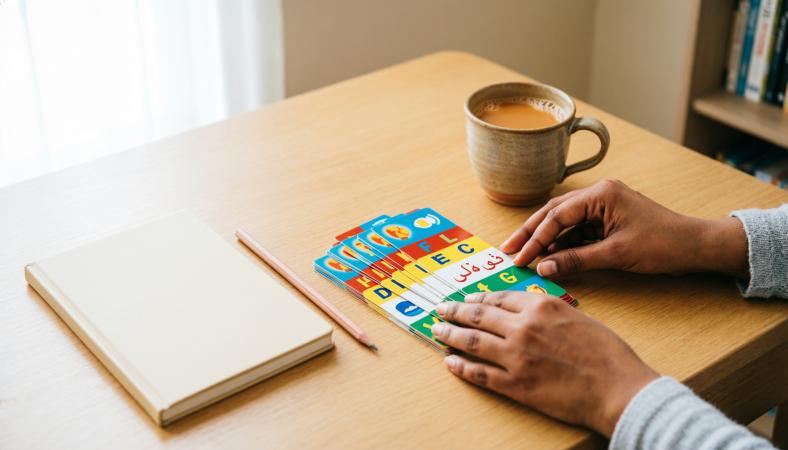
Learning sticks better when it feels like play. That is exactly why educational card games for learning and memory have become such a useful option for families, students, and even adults in Pakistan. They are simple to carry, easy to repeat, and far less tiring than forcing another long study session after school, tuition, or work.
In practical terms, educational card games improve memory by using active recall, repetition, and quick feedback. A child remembers faster because they are doing something, not just reading. An older student or adult benefits for the same reason: short rounds make information easier to revisit and harder to forget.
That makes these games a smart fit for Pakistani homes, classrooms, and travel routines. Whether you are in Karachi, Lahore, Islamabad, or a smaller city, a good deck can turn spare minutes into useful learning time without adding more screen exposure.
Why Educational Card Games Work So Well
The best educational card games for learning and memory do more than entertain. They create a learning loop that is easier to repeat every day.
Here is why they work.
Active recall: Players have to remember the answer instead of just looking at it.
Repetition without boredom: The same idea comes up again, but in a more engaging format.
Fast feedback: You know right away whether the answer is correct.
Better focus: Short rounds feel manageable, even for children with low attention spans.
Stronger retention: Regular play helps move facts from short-term memory into long-term memory.
That is why a small deck of cards can sometimes do more for recall than a thick notebook that only gets opened once in a while.
Types of Educational Card Games for Learning and Memory
Not every deck teaches in the same way. The right choice depends on age, subject, and how the cards will be used.
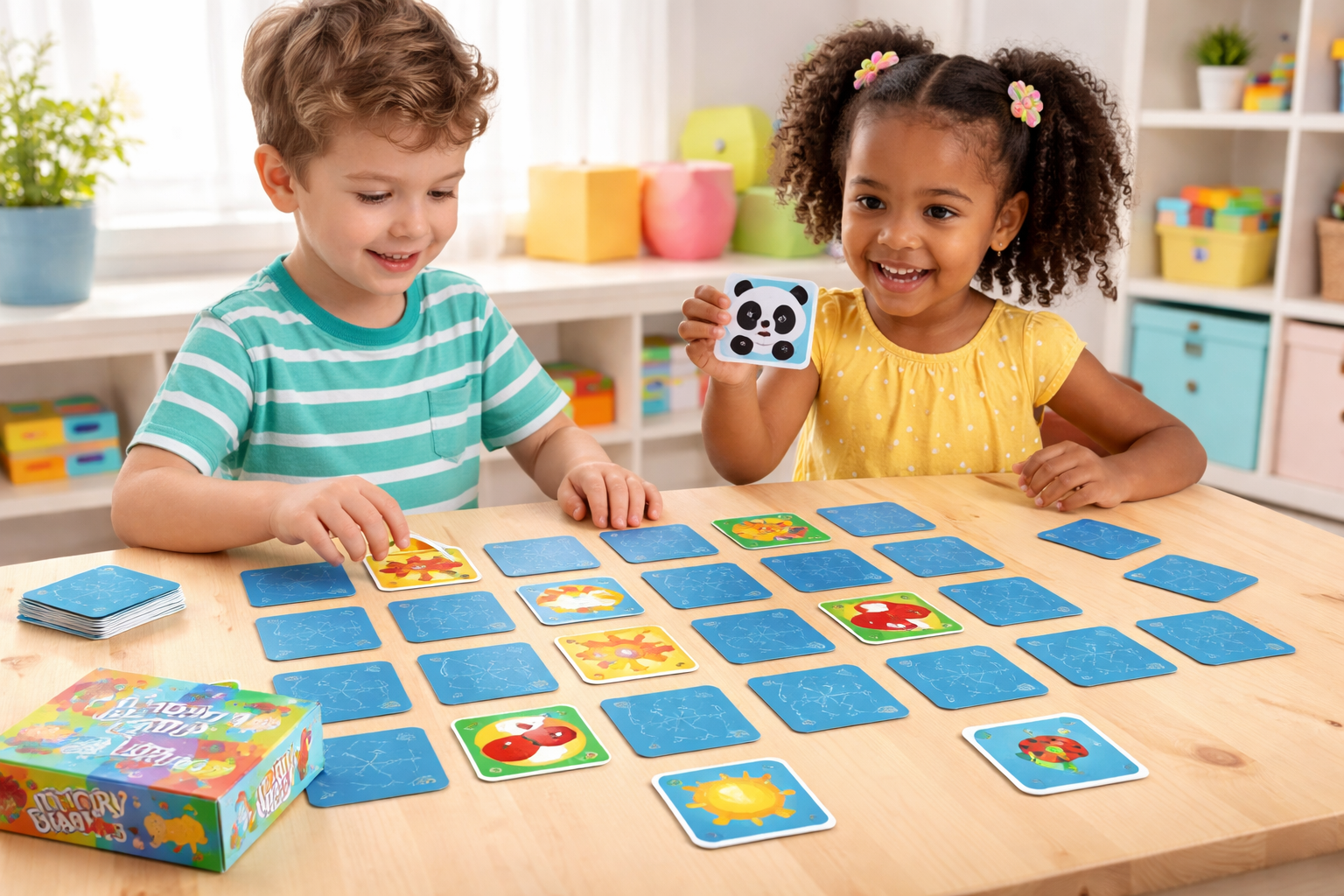
Matching and Pair Games for Younger Learners
These are ideal for early learners who need help with concentration, visual recognition, and basic memory skills.
They work well for.
Animals
Colors
Shapes
Urdu letters
Simple English words
A parent can use a matching deck for a quick after-school activity that feels relaxed instead of formal. That makes it especially useful for younger kids who resist traditional revision.
Vocabulary and Language Decks
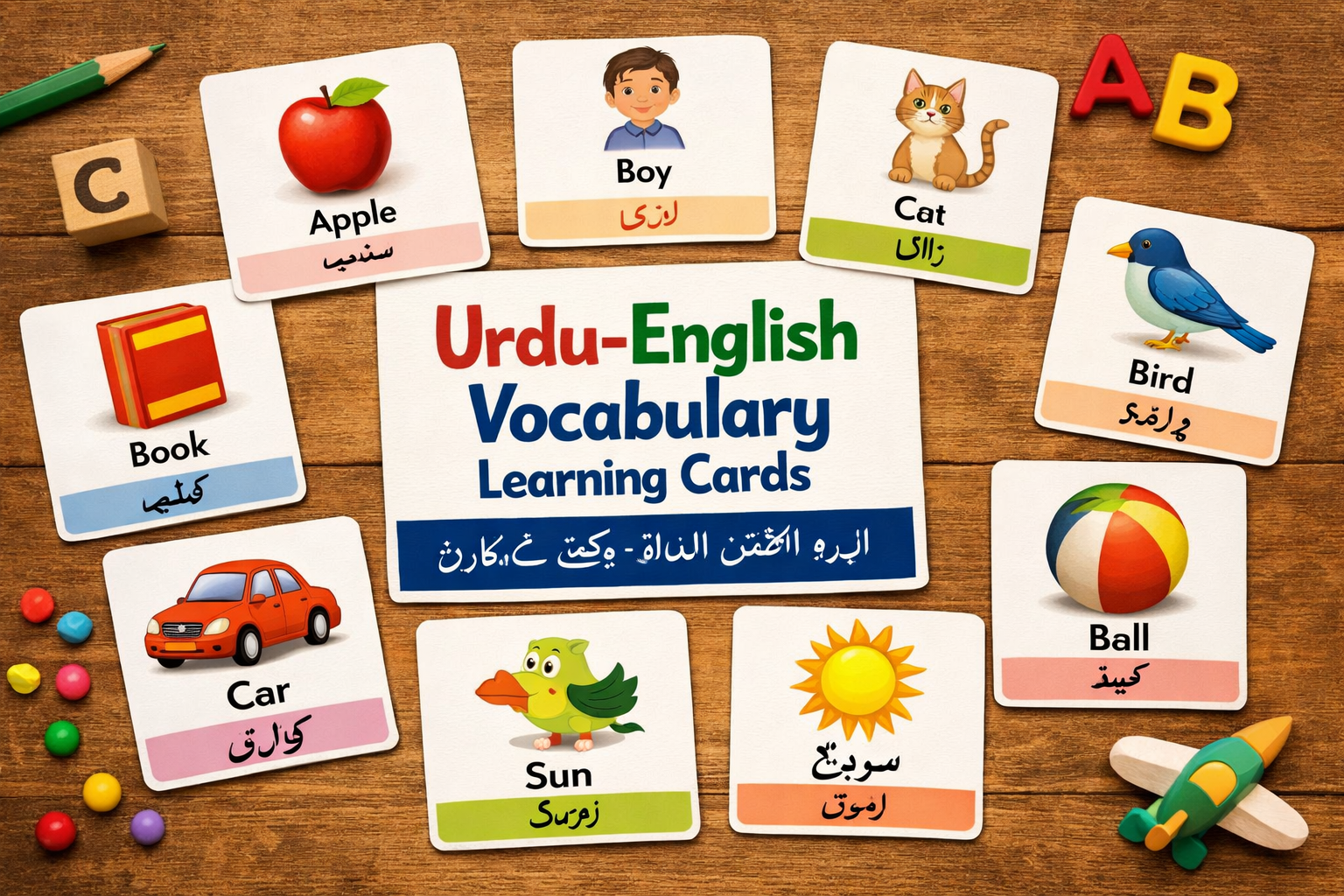
Language-based decks are among the most useful educational card games for learning and memory because they support school learning and daily communication at the same time.
These decks can help with.
Urdu to English word association
English vocabulary building
Synonyms and antonyms
Spelling patterns
Sentence formation
In Pakistan, bilingual decks are often the most practical option because many children study in mixed-language environments. They reduce confusion and make home practice easier for parents too.
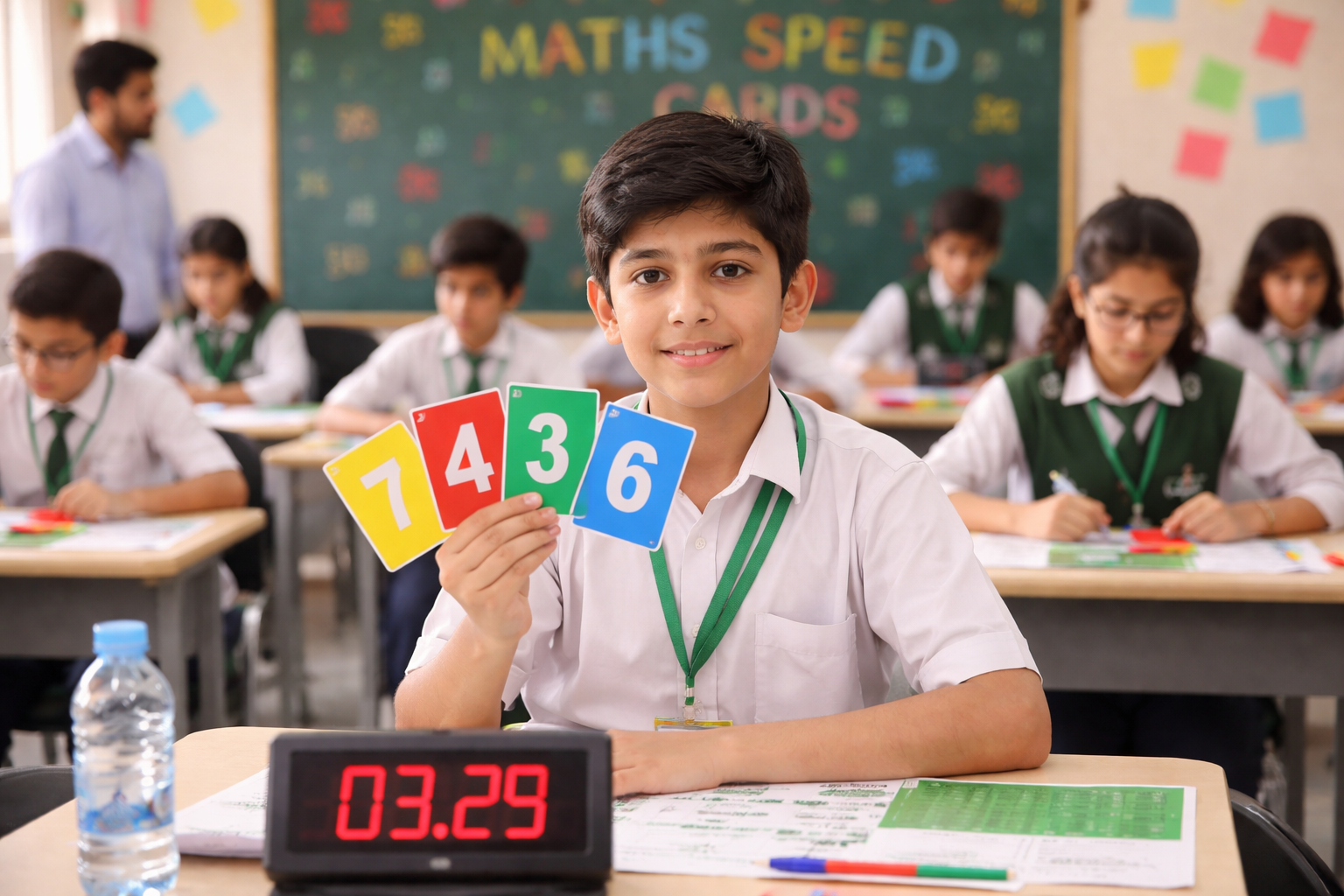
Maths Speed Cards
Maths cards are great for children, teens, and even exam-focused students who need faster recall under pressure.
They are useful for.
Multiplication tables
Addition and subtraction
Fractions
Percentages
mental maths speed
This type of deck is especially effective for quick drills before school, before tuition, or during short revision breaks. The goal is not just knowing the answer, but retrieving it quickly.
Logic and Brain Training Cards
These are better suited to older children, teens, and adults. Instead of testing simple recall, they challenge working memory, pattern recognition, sequencing, and problem-solving.
They can be a strong fit for.
Older school students
Entry test preparation
Adults who want a screen-free brain workout
Family game nights with a learning angle
How to Choose the Right Deck in Pakistan
A good deck should match the learner, not just look attractive on the product page.
Match the age and difficulty level
A very advanced deck can make children lose interest quickly. A very easy one gets boring just as fast.
A simple guide.
Ages 3-6: picture cards, matching games, basic categories
Ages 7-12: vocabulary, maths facts, school-related prompts
Teens and adults: logic, reasoning, general knowledge, exam revision
Check the language fit
If the learner uses Urdu at home and English at school, bilingual cards can make revision smoother. This is especially helpful for younger children and parents who want to stay involved in learning time.
Look at durability
Cards used at home, in classrooms, or during travel need to hold up well. Thick cards with clear print are usually worth it because they survive repeated handling much better.
Consider buying convenience
For Pakistani buyers, convenience matters. Many families still prefer Cash on Delivery, while others like the speed of Easy paisa or Jazz Cash. When a product is affordable and easy to order, it is far more likely to become a regular purchase rather than a postponed one.
Simple Daily Ways to Use Educational Card Games for Learning and Memory
The biggest mistake is overcomplicating the routine. These games work best when they stay short and consistent.
The 10-Minute Power Round
This is the easiest place to start.
Pick one deck.
Shuffle the cards.
Play a few quick rounds.
End by asking what was remembered today.
That small recap matters. It helps lock the information in.
Travel and Waiting-Time Practice
A compact deck is perfect for car rides, waiting rooms, or family visits. This is one reason educational card games for learning and memory are so useful: they turn dead time into light revision without needing a full study setup.
Weekend Family Challenge
When parents or siblings join in, motivation usually goes up. Children often put in more effort when the activity feels shared rather than assigned.
In practice, this works well in Pakistani households where study time can already feel heavy because of school pressure and tuition schedules. A playful format gives kids a mental break while still keeping learning active.
Best Subjects to Teach with Card Games
One of the biggest strengths of card-based learning is flexibility. A single format can support many subjects.
Popular themes include.
English vocabulary and sentence building
Urdu words, spellings, and muhavray
maths tables and quick calculations
Pakistan studies and general knowledge
Islamic studies basics and key facts
A balanced setup often starts with one language deck and one maths or logic deck. That gives the learner variety without creating clutter.
Common Mistakes to Avoid
Even a good deck will not help much if the routine is weak.
Watch out for these common issues:
Choosing cards that are too advanced
Using them only once in a while
Turning every session into a test
Sticking with one deck for too long
Making sessions so long that they feel like extra homework
A better approach is to keep things light, rotate decks from time to time, and focus on consistency instead of intensity.
Are Educational Card Games Worth It?
For most families and learners, yes. Educational card games for learning and memory are affordable, flexible, and easy to use in short bursts. They support focus, recall, and confidence without making learning feel heavy.
They also fit real life in Pakistan. You can use them after Maghrib, between tuition sessions, during travel, or as part of a weekend family routine. That convenience is a big part of their value.
If you are shopping for a child, start with a deck that matches current school needs. If you are buying for general development, begin with one language deck and one logic or maths deck. Keep the routine short, repeat it often, and let the progress build naturally.

Final Take
Educational card games for learning and memory make studying feel lighter, more engaging, and easier to repeat every day. Instead of turning revision into a chore, they help kids and adults build recall, focus, and confidence through simple, screen-free play.
In Pakistan, they fit naturally into real routines, whether that means after-school practice, a quick tuition break, or family learning time at home. Start with one suitable deck, keep sessions short, and let small daily wins turn into long-term progress.
FAQs
Q : What age is best for educational card games?
A : Most children can start with picture-based matching decks around ages 3 to 4. Older kids usually do well with vocabulary and maths cards, while teens and adults benefit more from logic and reasoning decks.
Q : Do educational card games actually improve memory?
A : They can, especially when used regularly. The main benefit comes from active recall and repeated practice in a format that feels less stressful than ordinary revision.
Q : How often should you use educational card games for learning and memory?
A : A short daily routine usually works better than a long weekly one. Even 10 minutes of focused play can be enough when the habit stays consistent.
Q : Are bilingual decks useful in Pakistan?
A : Yes. They are especially helpful for children studying in Urdu-English environments and for parents who want an easier way to support learning at home.
Q : Can adults use educational card games too?
A : Absolutely. Adults can use them for language practice, logic training, general knowledge, and memory support in a simple screen-free format.