

Blogs
Card Games in Pakistan 2026: Family Bonding & Brain Development
Apr
Card Games in Pakistan: Top Picks for Kids, Teens & Adults.
Screens are easy. Real connection takes a little more intention. That is exactly why card games in Pakistan feel so relevant in 2026.
For families, students, and even gift buyers, card games offer a simple win: they bring people together while sharpening useful thinking skills like memory, focus, patience, and strategy. In Pakistani homes, they also make sense for everyday life because they are affordable, portable, and easy to enjoy without Wi-Fi, subscriptions, or complicated setup.
Card games in Pakistan are a practical way to create family bonding while supporting brain development. Simple games like UNO-style matching, memory games, and beginner-friendly Taash rounds can help kids and adults improve attention, turn-taking, planning, and emotional control in a screen-free, low-cost format.
That makes them a smart choice for family game nights, school breaks, travel, and relaxed weekend gatherings.
Why Card Games in Pakistan Feel More Relevant in 2026
A lot of families are trying to pull back from nonstop screen time. Not by banning devices completely, but by giving everyone something better to do together.
That is where cards shine.
A single deck can work in a flat in Karachi, during a family dinner in Lahore, or on a visit in Islamabad. You do not need a big table, expensive accessories, or a perfect setup. Just a few people, a little time, and the willingness to join in.
There is also something refreshingly flexible about card games. You can play for 15 minutes or for a full evening. You can keep it light with kids or choose something more strategic for teens and adults. That range is a big reason card games in Pakistan continue to appeal across age groups.
Best Card Games in Pakistan for Families, Kids, and Adults
Not every game fits every home. The best choice depends on the age mix, energy level, and how competitive your group gets.
Family-friendly card games
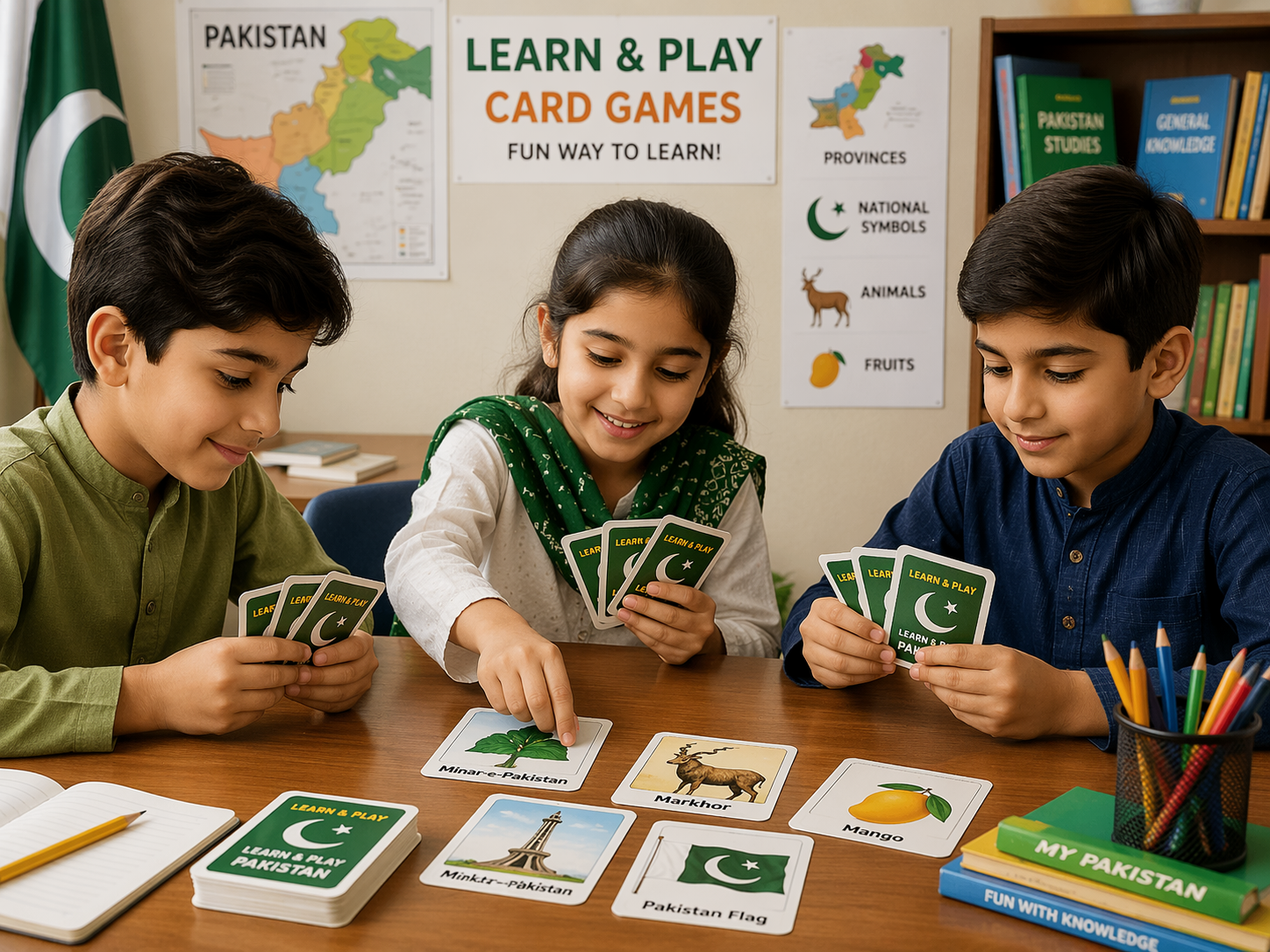
UNO-style matching games
These are usually the easiest starting point for mixed-age families. They help with attention, color and number recognition, turn-taking, and self-control. They are also fast enough to keep younger players engaged.
Memory pairs
This is one of the simplest ways to turn an ordinary deck into a learning activity. Place cards face down, flip two at a time, and try to find matching ranks. It is great for younger children, but adults often get surprisingly invested too.
Simple runs and sets
Beginner-level rummy-style play can work well when children are ready for slightly deeper thinking. These games build pattern recognition, sequencing, and short-term memory.
Good options for teens and adults
Whist or other trick-taking games
These are ideal for people who enjoy prediction, teamwork, and planning ahead. Once players understand the rhythm, the game becomes much more about reading the table than just playing cards.
Light rummy
This works well for adults and older kids because it rewards patience and logic without being too hard to learn. Short rounds keep things fun and prevent fatigue.
Taash with family-friendly rules
Taash is familiar in many Pakistani households, but the tone matters. Keep it simple, skip cash stakes, and focus on friendly points only.
How Card Games Support Brain Development
Card games may look casual, but they ask the brain to do a lot at once.
Memory and recall
Players need to remember rules, track turns, notice which cards have already appeared, and hold possible moves in mind. This strengthens working memory, especially in matching and sequencing games.
Attention and focus
Card games reward active participation. If you drift off, you miss a turn, a clue, or a winning move. For many children, this kind of focus feels easier than forced concentration because the activity is social and fun.
Planning and strategy
Even simple games teach decision-making.
Should I use this card now or save it?
What is the safest move if the next player is close to winning?
Can I shape the round instead of just reacting to it?
That kind of thinking helps build flexible problem-solving.
Emotional control
Winning is fun. Losing gracefully is a skill.
Card games give children and adults repeated chances to practice patience, frustration control, turn-taking, and self-regulation. In real life, those skills matter far beyond the game table.
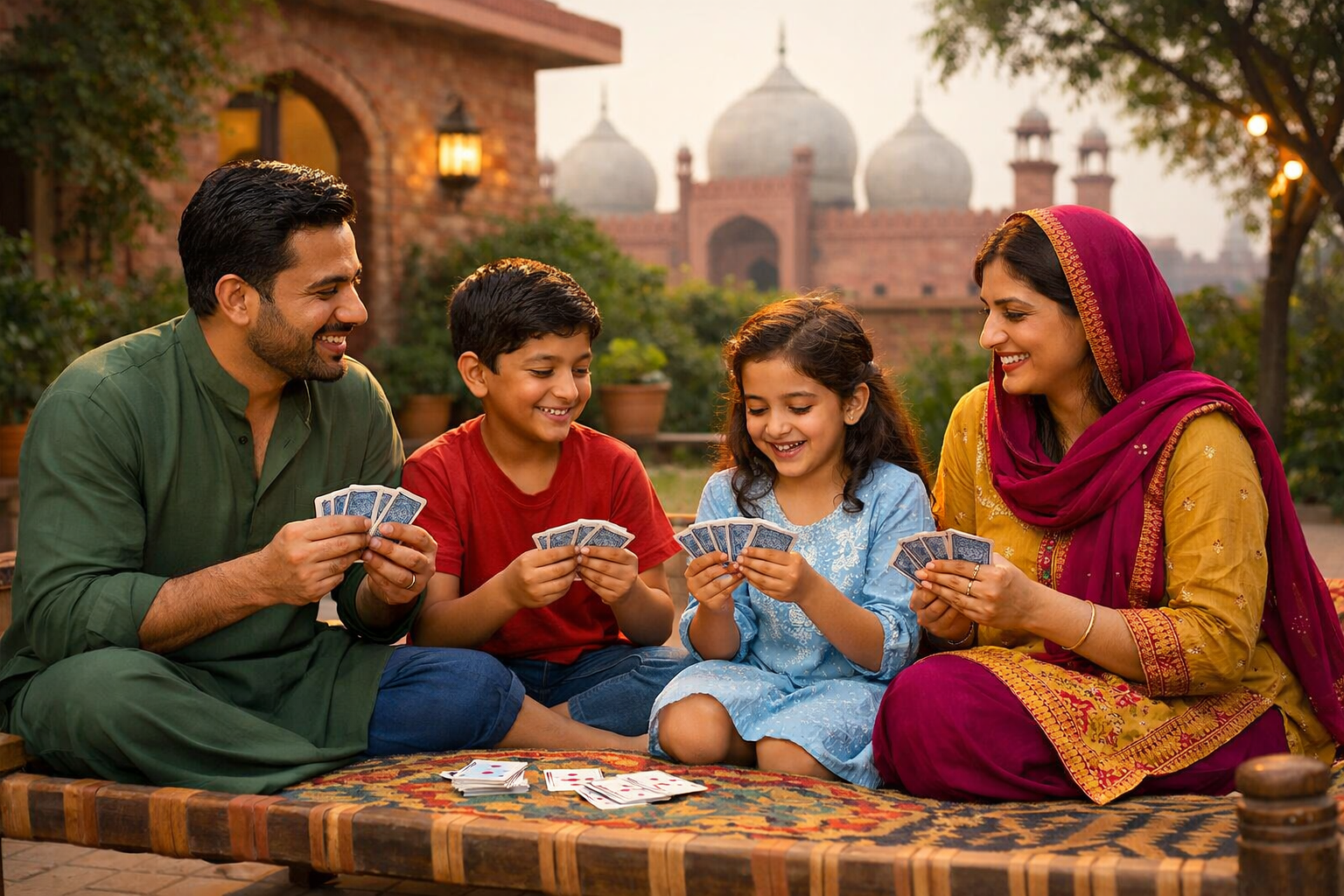
How to Start a Weekly Family Game Night in Pakistan
You do not need a Pinterest-style setup. You need a habit people can actually stick to.
A simple routine that works
Pick one regular day, such as Friday after dinner or Sunday evening.
Keep it short at first, around 30 to 45 minutes.
Choose one main game and repeat it for a couple of weeks.
Set basic house rules: no phones, no mocking, no shouting.
Add something small and enjoyable, like chai, popcorn, or juice.
In practice, consistency matters more than variety. When the game changes every night, younger players can lose confidence. When the routine stays familiar, everyone settles in faster.
For many Pakistani families, this works especially well during school weeks, on weekends, or even during load-shedding, when screen-based entertainment becomes less practical.
Buying Card Games in Pakistan: What to Check Before You Order
When shopping for card games in Pakistan, convenience matters. So does trust.
Many households still prefer Cash on Delivery (COD) because it feels safer and simpler. At the same time, mobile wallet payments such as Easy paisa and Jazz Cash are increasingly useful for faster checkout, gift orders, and smooth dispatch.
What to look for before buying
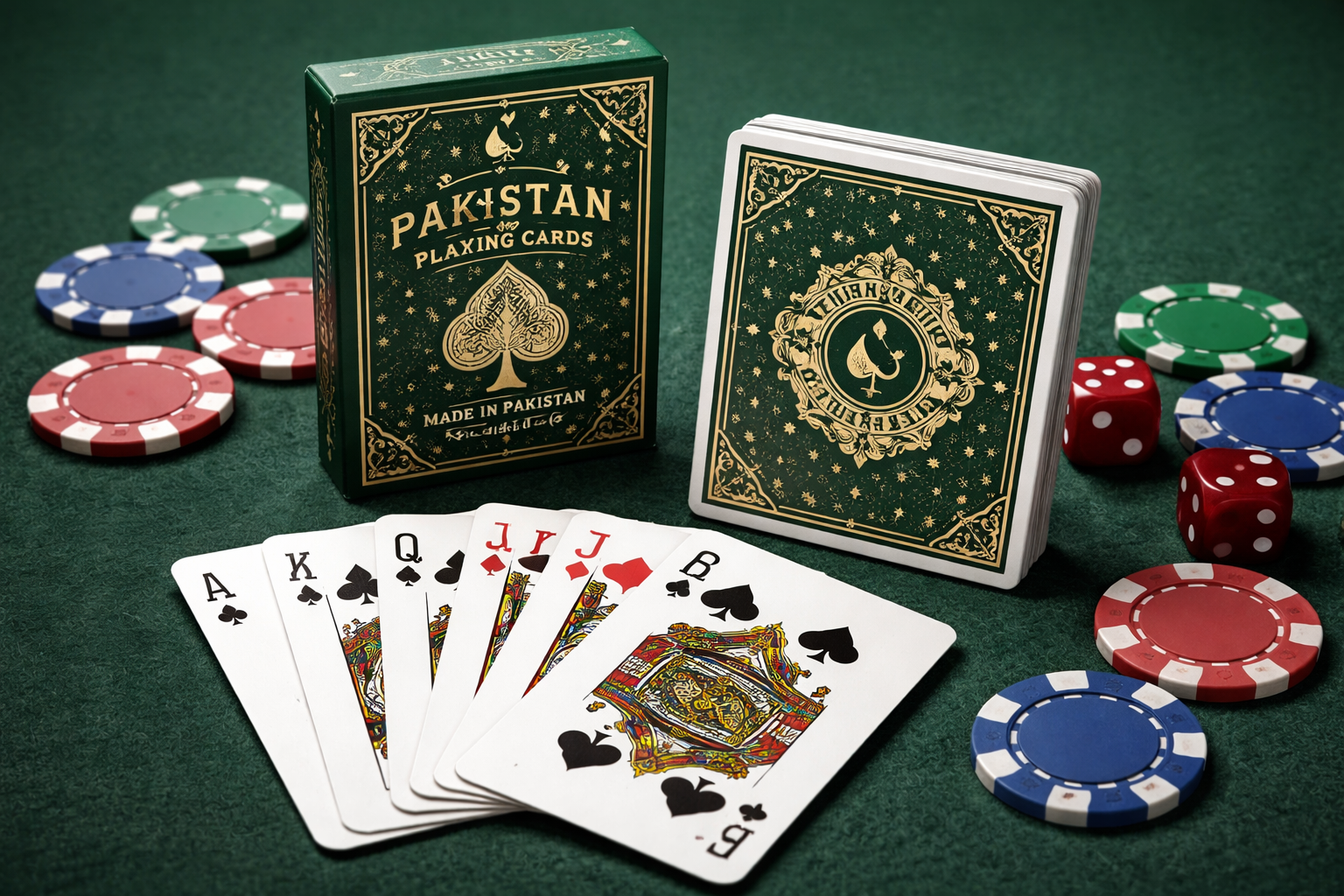
Durable, laminated cards that can handle frequent use
Clear numbers, symbols, or colors
A sturdy box for storage
Family-friendly artwork and rules
Sealed packaging, especially for gifts
Pakistan-specific buying tips
In humid weather, thicker cards usually last longer.
For city deliveries, buyers often appreciate a clear timeline before placing an order.
If you are ordering as a gift, confirm packaging quality and expected delivery dates.
This is particularly helpful for customers in Karachi, Lahore, Rawalpindi, Faisalabad, Multan, and Islamabad, where delivery expectations are often part of the buying decision.

Physical vs Digital Card Games in 2026
Digital card apps are convenient. No doubt about that.
But physical cards still do some things better.
They create eye contact and real conversation
They reduce screen fatigue
They make family gatherings feel more interactive
They work during travel, visits, and power outages
They build shared memories in a way apps rarely do
A balanced approach makes sense. Use digital play occasionally, but let physical card games in Pakistan remain the default for family time.
Why Card Games Also Make Great Gifts
Not every good gift has to be expensive.
A well-chosen card game can work for birthdays, Eid gatherings, return gifts, family visits, and even student care packages. It is practical, easy to wrap, and suitable for different age groups. From a gifting point of view, it also feels more thoughtful than another generic item that gets ignored after a day or two.
For Pakistani buyers, that mix of usefulness and affordability is a big plus.
Concluding Remarks
The best habits are often the simplest ones.
Card games in Pakistan are not just a throwback. They are a realistic way to create better family routines in 2026. They help children build attention and patience, give teens a healthy outlet for competition and strategy, and offer adults a chance to unwind without another hour of scrolling.
Start small. Pick one deck. Pick one evening. Keep it fun.
That is all it takes to turn a basic game into a family tradition.
FAQs
Q : Which card games are best for Pakistani families in 2026?
A : UNO-style matching games, memory pairs, and simple rummy-style games are among the best choices. They are easy to learn, work well for mixed ages, and support focus, planning, and family interaction.
Q : Are card games good for brain development?
A : Yes. Card games can strengthen memory, attention, decision-making, turn-taking, and emotional control. The benefits are especially noticeable when the games are played regularly in a relaxed, social setting.
Q : Are Taash games okay for kids?
A : They can be, as long as the game stays family-friendly and does not involve gambling. Simple rules, short rounds, and fun-only scoring make Taash more suitable for supervised play with older children.
Q : How can card games help reduce screen time?
A : They give families a fun alternative to passive scrolling. When game night becomes a routine, children are more likely to join in willingly because the activity feels social rather than restrictive.