

Blogs
Educational Toys vs Mobile Games: Which Is Better for Kids in Pakistan.

Apr
Educational Toys vs Mobile Games: A Parent’s Guide to Smart Screen Time
For most families, educational toys vs mobile games is not really about entertainment. It is about focus, learning, sleep, and how much daily stress parents want around screen time.
For children in Pakistan, educational toys are usually the better main choice because they build hands-on skills, patience, and problem-solving without the constant stimulation of a screen. Mobile games can still be useful in small, controlled doses for practice and digital familiarity, but they work best as a supplement, not the center of a child’s routine.
In real life, Pakistani parents are balancing school, homework, tuition, family time, and a lot of device exposure. In Karachi, a child may already spend too much time on a phone during long commutes or load-shedding hours. In Lahore or Islamabad, parents may be dealing with the same daily battle: how to keep kids engaged without turning every free moment into screen time. That is why this comparison matters.
Educational Toys vs Mobile Games: A Quick Comparison
Both options have benefits. The difference is in the kind of learning they support.
Educational toys are usually stronger for.
Fine motor skills
Focus and patience
Creativity
Real-world problem-solving
Social play and communication
Mobile games can help with.
Quick reaction time
Pattern recognition
Basic digital confidence
Short bursts of math, spelling, or logic practice
Where mobile games become a problem.
Overuse can shorten attention span
Late use can affect sleep
Ads and in-app purchases can create frustration
Some children become emotionally dependent on the device
So when parents ask about educational toys vs mobile games, the better question is this: do you want deeper skill-building or fast engagement?
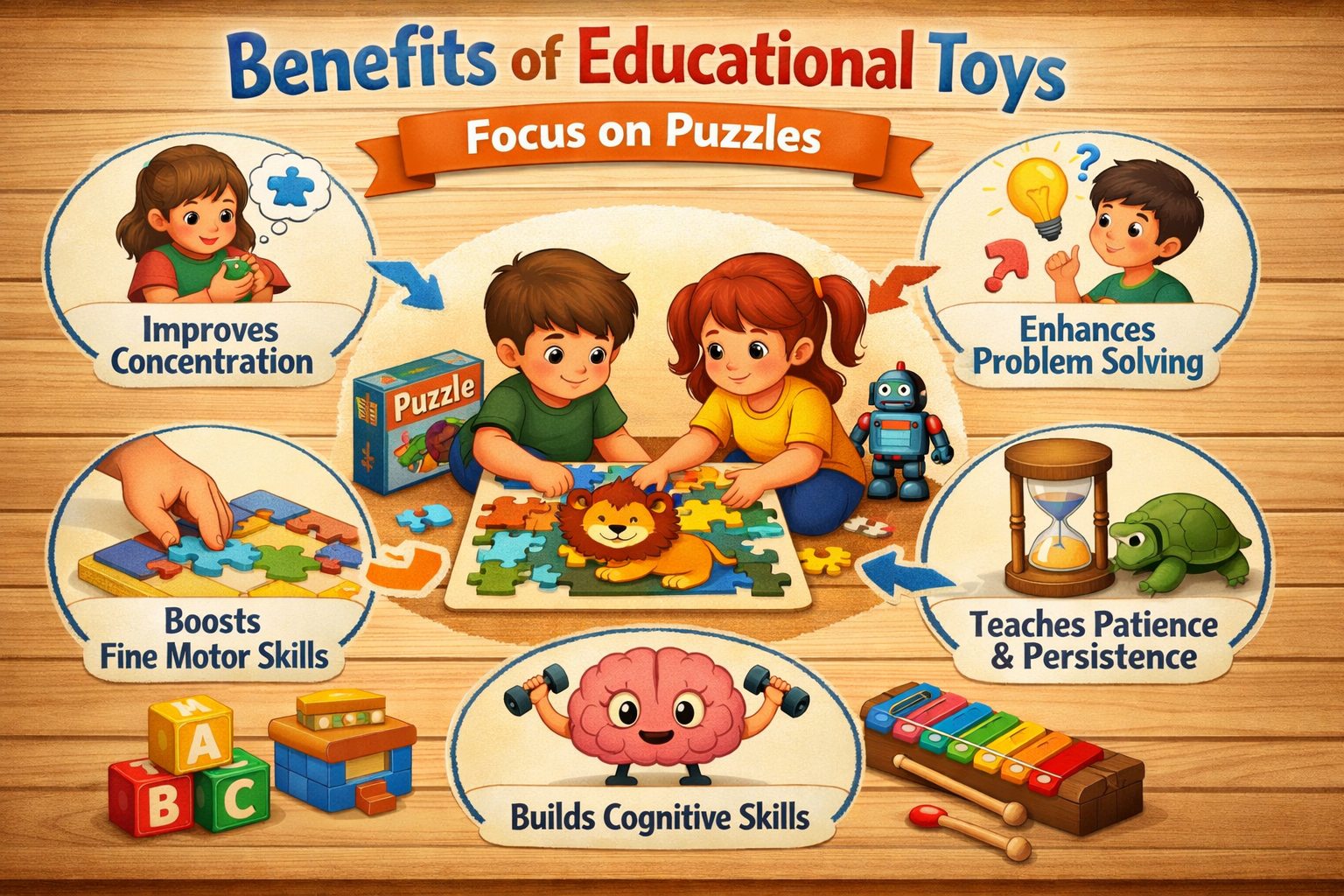
Why Educational Toys Usually Win for Long-Term Learning
The biggest strength of educational toys is simple: children learn better when they use both mind and body together.
A puzzle, building set, alphabet board, or sorting toy asks a child to touch, test, move, repeat, and think. That process builds understanding in a way that is often more lasting than tapping a screen.
Educational toys can support
Language development: alphabet puzzles, flash cards, word boards
Math basics: counting toys, beads, number puzzles
STEM skills: magnets, building kits, gears, simple science sets
Social skills: board games, pretend play, turn-taking activities
From a practical parenting point of view, toys also slow children down in a good way. They help kids stay with one task for longer. That matters when many parents are already noticing shorter focus spans at home.
A simple example is a wooden alphabet puzzle used for just a few minutes after school each day. Repetition, touch, and visual recognition work together. That kind of learning feels calmer and often sticks better.
What Mobile Games Can Do Well, When They Are Controlled
To be fair, mobile games are not automatically bad. Some can be genuinely useful when parents choose them carefully and control timing.
The best educational-style games can help with.
Matching and memory
Spelling practice
Number drills
Fast decision-making
Pattern recognition
For older children, limited use of a good learning app may support revision or problem-solving. This is especially true when a parent sits nearby, asks questions, and treats the game like practice rather than free entertainment.
The problem is that many games are not designed for learning first. They are designed to keep children playing. Rewards, streaks, sounds, pop-ups, and endless levels can make it hard for kids to stop on their own.
That is where the educational toys vs mobile games debate becomes very clear. The issue is usually not the screen itself. It is the lack of structure around it.
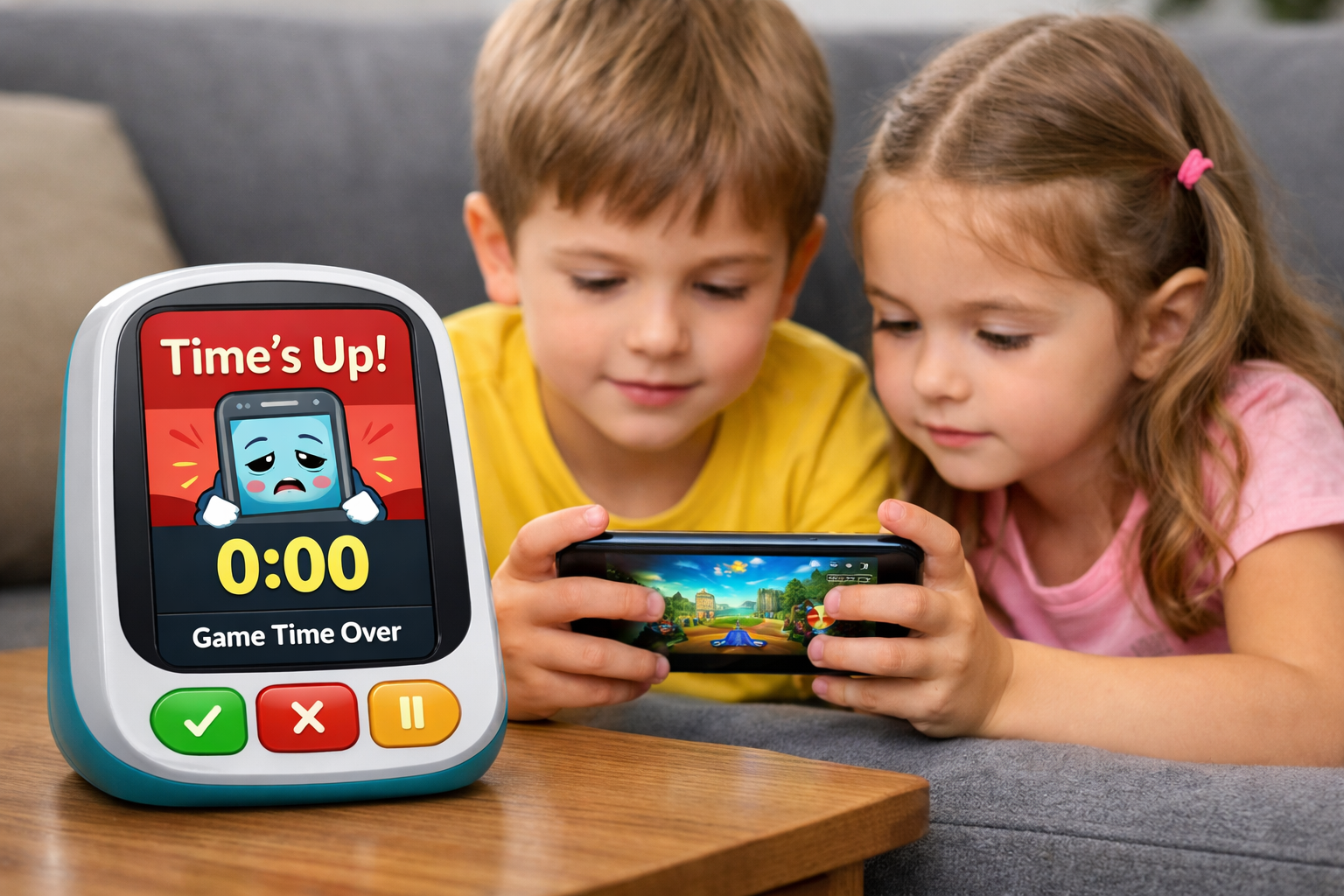
Educational Toys vs Mobile Games by Age
A child’s age changes the right balance.
Ages 3–5
At this stage, educational toys are clearly the better option.
Young children need.
Shape sorting
Blocks
Alphabet and number toys
Sensory and hands-on play
Mobile games, if used at all, should stay very limited and supervised. Children in this age group benefit most from speech, touch, movement, and repetition in the real world.
Ages 6–8
This is where a balanced mix can start to work.
Children can benefit from.
Puzzles
Basic STEM kits
Memory games
Controlled educational apps for short practice sessions
In many homes, this is the age where screens start becoming a daily habit. Keeping toys as the base activity helps protect focus while still allowing a little screen time.
Ages 9–12
Older kids can handle more structured digital use, but they still need boundaries.
Good options at this age include.
Strategy board games
Logic puzzles
Science kits
Building sets
Timed educational apps
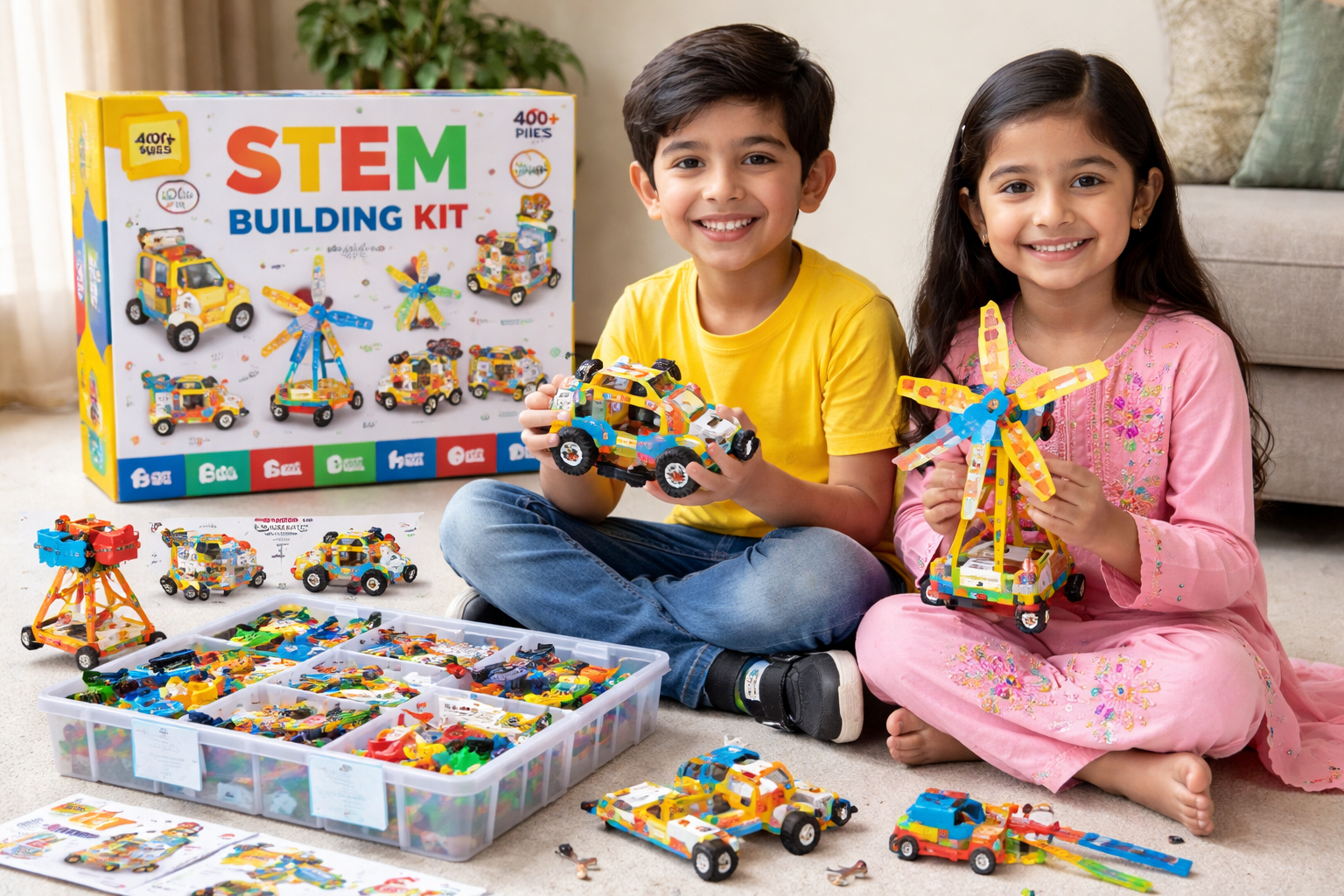
Health, Behavior, and Attention Span
For many parents, this is the real deciding factor.
Educational toys usually support calmer play. Children are less likely to become overstimulated, and play tends to end more smoothly. That does not mean every child will sit quietly for an hour, but the emotional highs and lows are often lower than with screens.
Too much mobile gaming, on the other hand, can lead to.
Restlessness
Irritability when the phone is removed
Reduced focus on homework
Eye strain
Later bedtimes
In practice, many families notice the same pattern: once screen time increases, everything else becomes harder to start. Homework takes longer. Bedtime arguments increase. Even meal times can become a fight.
One simple rule helps a lot: no mobile games 1 hour before bed. Replace that time with a storybook, puzzle, drawing activity, or a family board game.
A related internal link could be /category/kids-learning-books/.
Budget and Buying in Pakistan
For Pakistani families, educational toys vs mobile games is also a budget question.
At first glance, mobile games may seem cheaper because many apps are free. But the real cost can be hidden.
In-app purchases
More mobile data use
Pressure for a better device
Breakage risk when children use a parent’s phone too often
Educational toys cost more upfront, but many offer longer value. They can be reused, shared between siblings, and used without internet access.
This matters for local shopping behavior too. Many parents prefer COD because it feels safer. Others use Easy paisa or Jazz Cash for convenience. For buyers in Karachi, Lahore, and Islamabad, delivery may be easier and faster, but even in smaller cities, durable toys often make more sense as a one-time purchase than repeated digital spending.
A smart starter setup for many homes is.
One alphabet or number toy
One puzzle or STEM item
One board game for shared family play
That gives variety without overbuying.
The Best Routine: Toys First, Screens Second
The most practical answer to educational toys vs mobile games is not total screen bans. It is a better routine.
A simple structure looks like this.
Homework or school recap
Educational toy time
Limited mobile game time
Quiet play, reading, or family activity
This order works because the most valuable activities happen first. Mobile time becomes controlled, not automatic.
For younger kids, toy time may last longer than screen time. For older kids, screen time can be slightly extended, but only when other responsibilities are done. Consistency matters more than perfection. A routine followed most days is far more effective than strict rules that collapse after 2 days.
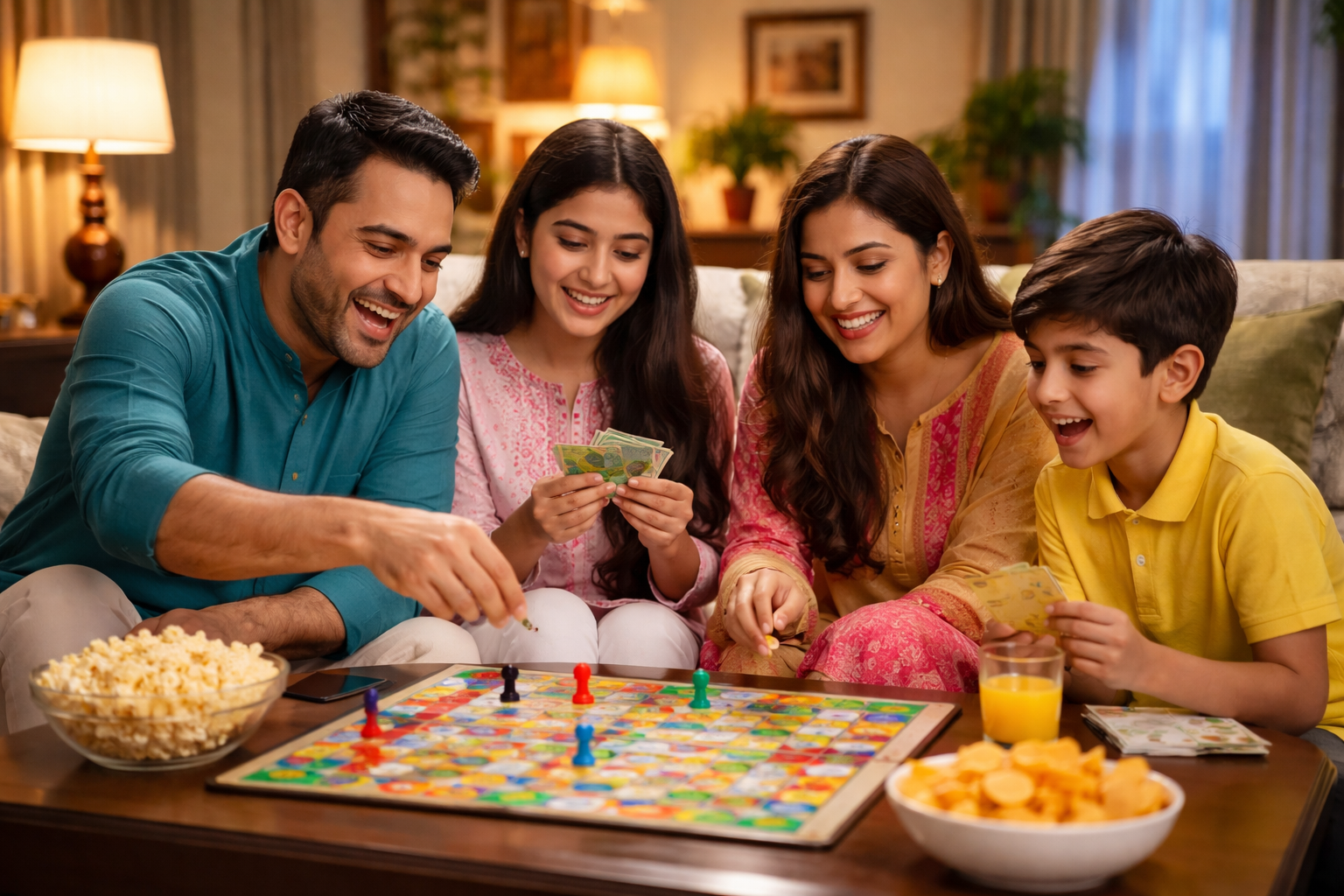
Wrap It Up
If you are choosing one main option, educational toys vs mobile games usually ends in favor of educational toys.
They build stronger long-term skills, support healthier routines, and encourage real concentration without the overstimulation that often comes with screens. Mobile games can still have a place, especially for older kids and short learning sessions, but they should stay limited, timed, and clearly secondary.
For most Pakistani families, the best formula is simple: toys first, screens second.
Start with one age-appropriate puzzle, building toy, or board game. Keep mobile games for short, supervised use. That balance can reduce screen fights, improve focus, and make learning feel much more natural at home.
FAQs
Q : Are educational toys better than mobile games for learning?
A : Usually, yes. Educational toys are better for long-term learning because they build focus, coordination, creativity, and problem-solving through hands-on play. Mobile games can help in short sessions, but they are rarely as effective as a child physically exploring and building.
Q : How much screen time is reasonable for kids?
A : A practical home rule is limited, scheduled screen time rather than open-ended access. In many families, around 20–40 minutes per day works for younger children, while older kids may handle more with proper boundaries and supervision.
Q : Can mobile games ever be educational?
A : Yes, some puzzle, spelling, math, and logic games can be useful. The key is choosing carefully, avoiding aggressive ads, and using them for short practice instead of free, unlimited play.
Q : What type of educational toy is best for younger children?
A : For younger kids, shape sorters, blocks, alphabet puzzles, number boards, and simple matching toys are strong choices. They support speech, coordination, and early problem-solving in a natural way.
Q : Are board games better than mobile games for family bonding?
A : In most cases, yes. Board games encourage conversation, patience, teamwork, and turn-taking, while mobile games often keep the child isolated on a screen.