

Blogs
Board & Puzzle Toys for Brain Development: Best Picks in Pakistan (2026 Guide)
Apr
Board & Puzzle Toys for Brain Development
Screen-free play is getting harder to protect in most homes. That is exactly why Board & Puzzle Toys for Brain Development matter so much. They give kids a fun way to build memory, focus, logic, patience, and problem-solving skills without making learning feel like extra schoolwork.
For Pakistani parents, gift buyers, and educators, these toys are also practical. You can find options for different age groups, different budgets, and different learning styles, and many online stores now support Cash on Delivery (COD) as well as Easy paisa and Jazz Cash. In simple terms, the best Board & Puzzle Toys for Brain Development help children think better through structured play. The right choice depends on age, difficulty level, material quality, and how often the toy will actually be used at home or in class.
Why Board & Puzzle Toys for Brain Development Work
Children learn best when they are actively involved. A puzzle piece that needs to be matched, a pattern that has to be recognized, or a move that needs planning all push the brain to work in a natural way.
That is what makes Board & Puzzle Toys for Brain Development so effective. They support skills such as.
Working memory for remembering rules, shapes, and sequences
Attention and focus for staying with a task until it is done
Logic and reasoning for thinking through choices and consequences
Visual-spatial awareness for understanding position, shape, and arrangement
Patience and emotional control for handling mistakes, retries, and small losses
In practice, these toys are especially useful in homes where children already balance school, homework, and tuition. They offer mental stimulation without adding academic pressure.
Best Board & Puzzle Toys for Brain Development by Age
Ages 3–5: Early Thinking and Hand Skills
For younger children, keep it simple. At this stage, the goal is to build confidence, coordination, and basic thinking patterns.
Good options include.
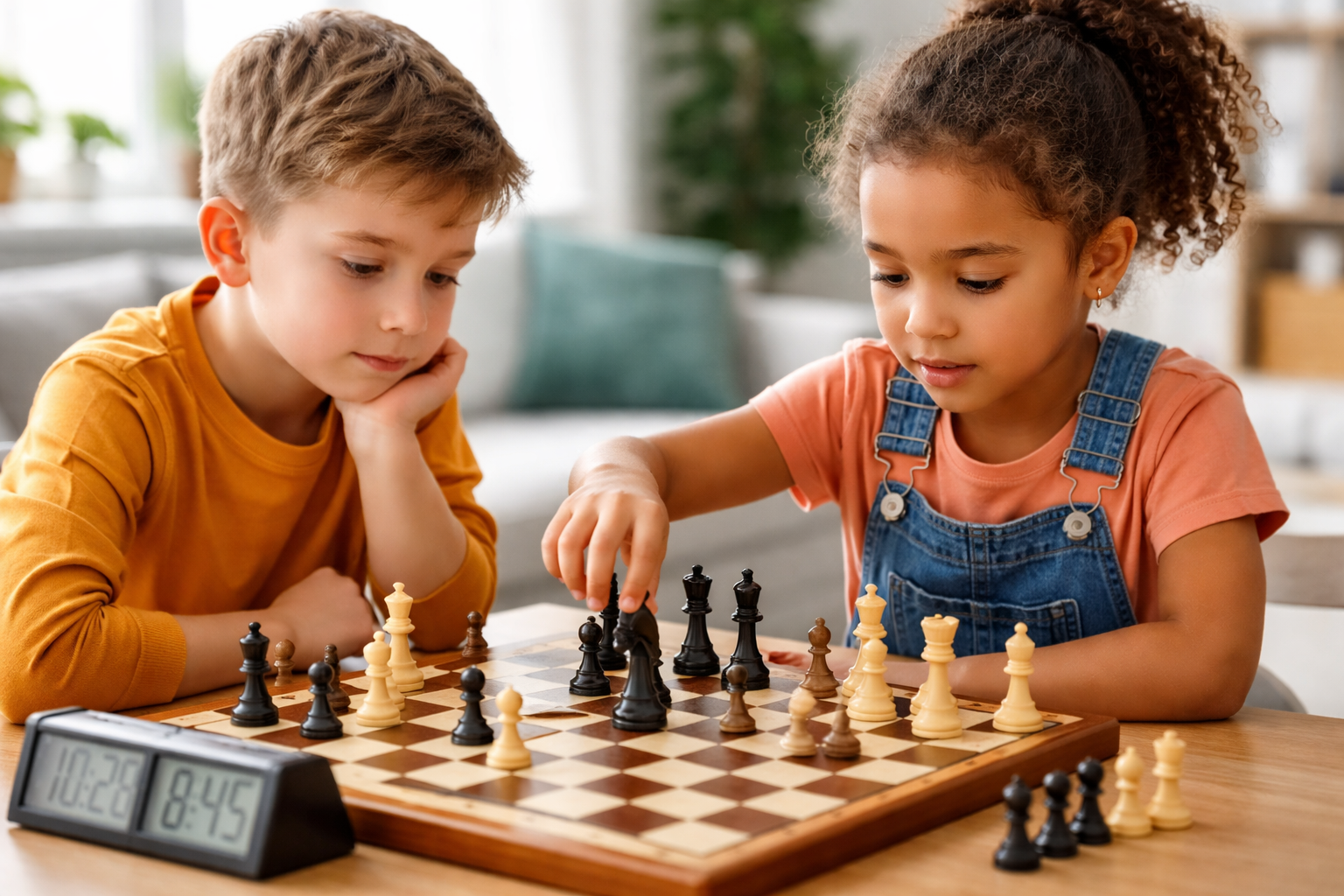
Wooden knob puzzles
Shape sorter boards
Matching cards
Chunky puzzles with large pieces
Simple color and animal pairing games
When buying for this age group, look for smooth edges, non-toxic finishes, and large, easy-to-hold pieces. In many Pakistani homes, toys get shared between siblings, so durability matters.
Ages 6–8: Logic, Rules, and Confidence
This is where many children start enjoying games with structure. They want to win, they can follow multi-step instructions, and they begin thinking ahead.
Strong picks for this age range include.
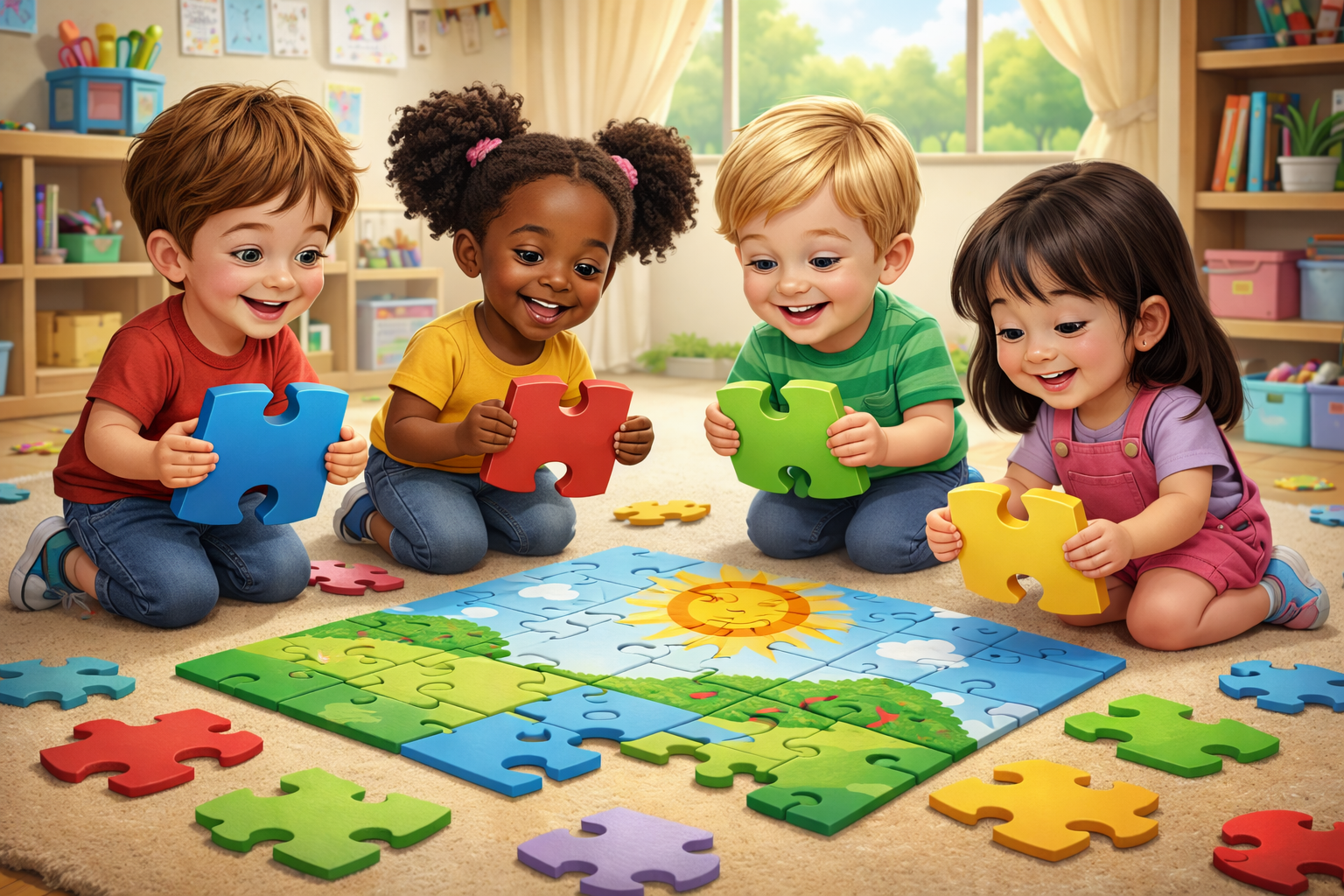
Jigsaw puzzles with 60–150 pieces
Beginner chess sets
Checkers
Tangram sets
Word-building board games
Simple strategy boards like tic-tac-toe variations
A child in Karachi, for example, might start with a 100-piece puzzle after homework each day. Over time, that small routine can help them stay calmer when they get stuck, because they learn that retrying is part of the process.
Ages 9–12: Strategy, Planning, and Brain Stamina
Older children are ready for more complexity. They can sit with a challenge longer, follow deeper rules, and handle more advanced planning.
The best options often include.
Chess
Checkers
Strategy-based Ludo variations
Advanced jigsaw puzzles with 200–500 pieces
Logic and deduction games
3D puzzles
STEM puzzle kits
From a practical parenting point of view, this is also the age where brain games can support school habits. Strategy play can encourage step-by-step thinking, while longer puzzles can improve concentration and task completion.
A simple 15-minute chess routine in the evening, for instance, may help a child build more patience over time. It is not a guaranteed fix for academic performance, but it can support better thinking habits.
Best Types of Board & Puzzle Toys for Brain Development
Jigsaw Puzzles
Jigsaw puzzles are excellent for memory, pattern recognition, and visual-spatial thinking. They teach children how to break a large challenge into smaller, manageable steps.
In Pakistan, thicker cardboard or wooden puzzle boards are often a smarter choice, especially in cities where humidity can affect cheaper materials.
Chess and Checkers
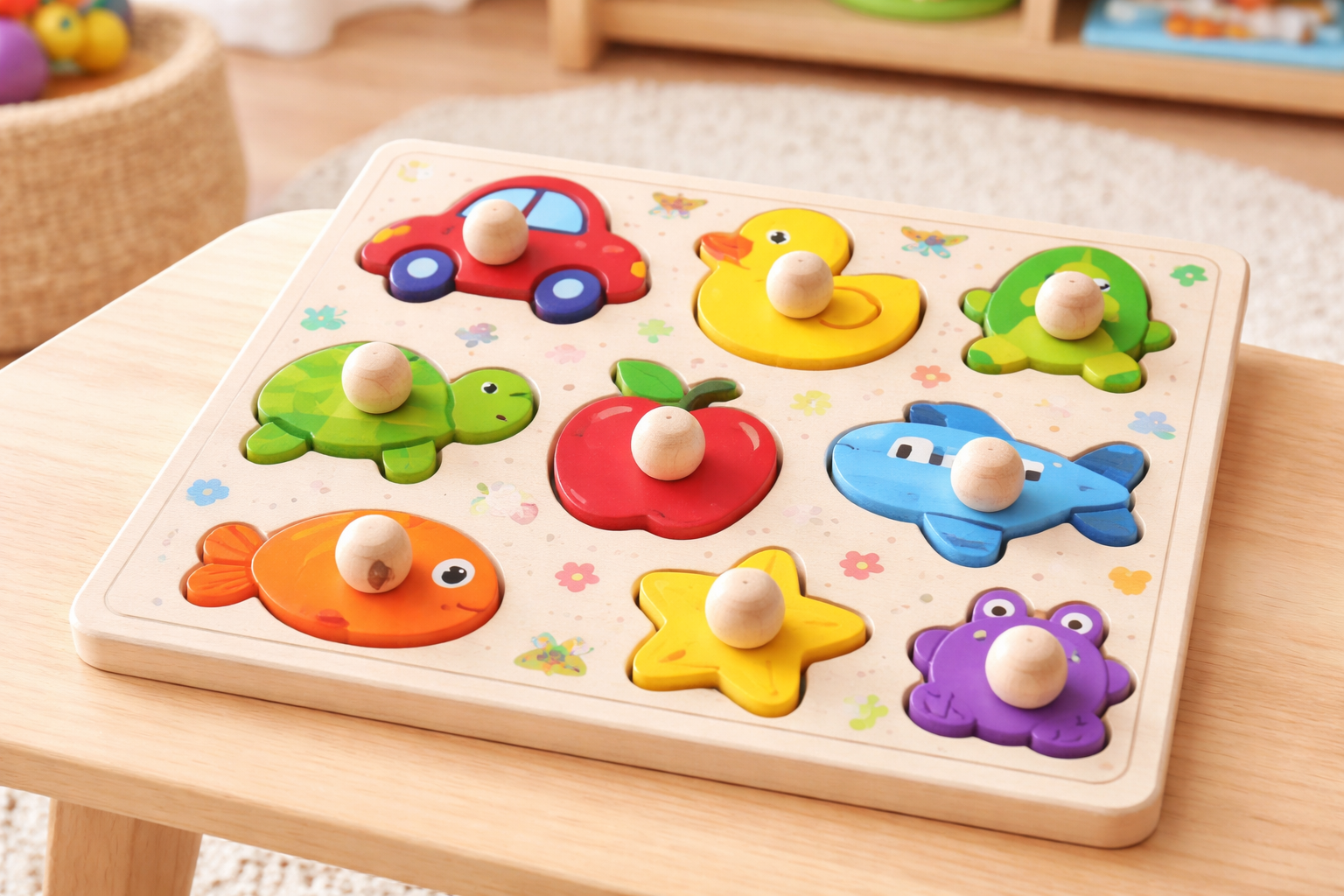
Chess is one of the strongest choices when it comes to Board & Puzzle Toys for Brain Development because it builds planning, anticipation, and self-control. Checkers is a simpler starting point for children who are not ready for full chess yet.
Start with short games and simplified teaching. That keeps the child interested instead of overwhelmed.
Tangrams and Shape Puzzles
These are great for geometry awareness, creativity, and flexible thinking. They are especially helpful for children who enjoy visual learning more than text-heavy activities.
Memory and Matching Games
For younger children, memory games are a strong entry point. They improve recall, attention, and turn-taking, while still feeling light and playful.
Short rounds usually work better than long sessions.
Logic and Deduction Games
These games help children think carefully, eliminate wrong options, and explain their reasoning. That makes them useful not only for play but also for everyday problem-solving and classroom habits.
Buying Tips in Pakistan
When shopping for Board & Puzzle Toys for Brain Development, a few details make a big difference.
Check the age label
A toy that is too easy gets boring fast. A toy that is too difficult often gets ignored after the first try. Aim for something that feels challenging but still manageable.
Pay attention to materials
Wooden toys should be polished and well-finished. Cardboard puzzles should be thick enough to survive repeated use. Cheap, flimsy boards usually do not last in busy households or classrooms.
Match the piece count to the child
Do not jump too quickly. A gradual increase keeps children motivated and reduces frustration.
Look for a storage box
This sounds small, but it matters. In family homes, puzzle pieces disappear easily. A proper box or container helps the toy stay usable for longer.
Choose payment and delivery options that fit your area
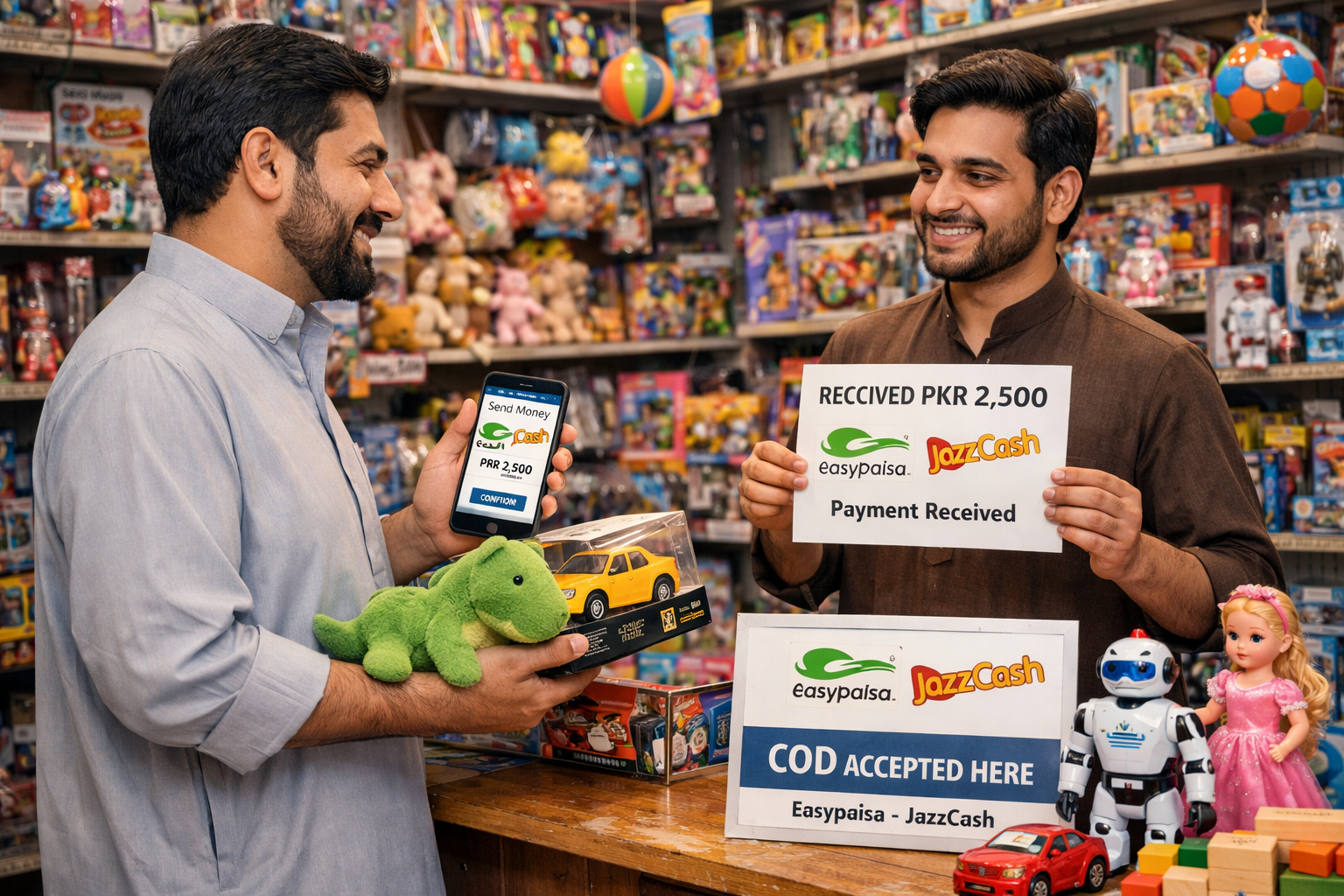
For many buyers in Pakistan, COD, Easy paisa, and Jazz Cash make shopping simpler. If the toy is meant as a gift, confirm delivery timelines for your city before ordering.
How to Build a Simple Brain-Play Routine at Home
You do not need a strict or complicated plan. Consistency matters more than intensity.
A simple routine can look like this.
Weekdays: 10–15 minutes of puzzle time after homework
Weekend: 30–45 minutes of family board game time
Let the child struggle a little before stepping in
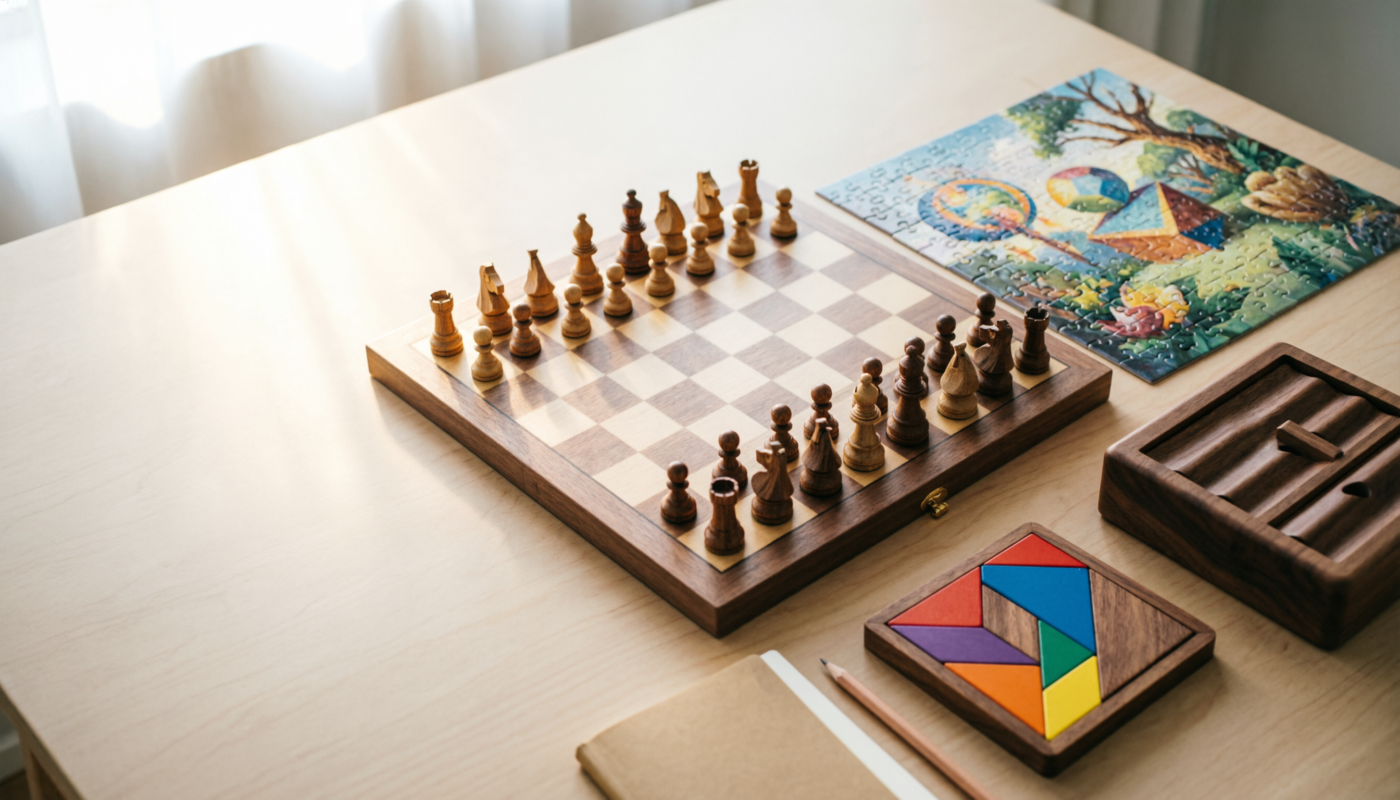
Keep one puzzle or board game in a visible place
That last point matters more than many parents expect. When a puzzle stays on a side table or dining table, children are more likely to return to it on their own. It feels casual, not forced.
Are Board & Puzzle Toys a Good Gift in Pakistan?
Yes, especially when you want a gift that feels thoughtful as well as useful. For birthdays, Eid gifting, school rewards, or return gifts, Board & Puzzle Toys for Brain Development work well because they offer both entertainment and long-term value.
They are also suitable for different kinds of buyers.
Parents who want screen-free play
Relatives looking for a meaningful gift
Teachers and schools building learning corners
Gift buyers who want something practical, not disposable
For Pakistani families, the added convenience of COD and mobile wallet payments makes these products even easier to buy without friction.
To Sum Up
If you want children to play in a way that actually supports growth, Board & Puzzle Toys for Brain Development are one of the smartest categories to explore. They help build focus, memory, patience, reasoning, and confidence in a way that feels natural to kids.
The key is to choose the right toy for the child’s age, keep the challenge level realistic, and make play a regular part of the week. Whether you start with a wooden puzzle for a 4-year-old, a tangram set for a 6-year-old, or chess for a 10-year-old, steady use can turn ordinary playtime into something far more valuable.
For families in Pakistan, it also helps to buy from stores that offer durable materials, clear age guidance, and easy payment options like COD, Easy paisa, and Jazz Cash. Browse age-wise options, pick something your child can enjoy right away, and make brain play part of the routine this week.
FAQs
Q : What are Board & Puzzle Toys for Brain Development?
A : They are games and puzzles designed to improve skills like memory, focus, logic, and problem-solving through play. Common examples include jigsaw puzzles, chess, tangrams, matching games, and logic boards.
Q : Which puzzle toys are best for ages 3–5?
A : Wooden knob puzzles, shape sorters, matching games, and large-piece beginner puzzles are usually the best place to start. Look for smooth edges, safe finishes, and pieces big enough for small hands.
Q : How do Board & Puzzle Toys for Brain Development help with school skills?
A : They can support concentration, reasoning, memory, and step-by-step thinking. Those are all useful for subjects like math, reading, and writing, although they are not a replacement for formal learning support.
Q : How much time should kids spend on these toys each day?
A : A practical routine is around 10–15 minutes on weekdays and 30–45 minutes on weekends. Regular short sessions are often more effective than occasional long ones.
Q : Are wooden puzzles better than cardboard puzzles?
A : Wooden puzzles are usually more durable, especially for younger children or frequent use. Thick cardboard puzzles can also work well if the print quality and storage are good.