
Blogs
Sunscreen for Pakistani Climate: Gel vs Cream Which One Should You Buy?
Feb
Sunscreen for Pakistani Climate: Oily Skin, Dry Skin & Sweat-Proof Picks
If you’ve ever stepped outside in Karachi’s sticky humidity or faced the dry, intense sun in Lahore or Islamabad, you already know one thing: a sunscreen for Pakistani climate cannot feel heavy, melt off, or turn your face into an oily mess. Between UV exposure, dust, traffic heat, and sweat, most of us are fighting more than just “a little sunshine” every day.
That’s where texture comes in. Gel sunscreens feel lighter and tend to suit oily or acne-prone skin, while cream sunscreens feel more nourishing and usually work better for dry or sensitive skin. The right choice for you also depends on your city, how much time you spend outdoors, and whether you wear makeup.
Put simply: the best sunscreen for Pakistani climate is the one that feels good on your skin, works in your weather, and is easy to apply generously and reapply when needed.
For most people in Pakistan, gel sunscreen works best in hot-humid cities (like Karachi) and for oily or acne-prone skin because it feels lightweight and less greasy. Cream sunscreen generally suits dry, sensitive, or winter skin (common in Lahore/Islamabad) because it adds moisture and reduces tightness. The best sunscreen for Pakistani climate is the one you’ll actually apply in the right amount and reapply especially if you’re outdoors.
Why Pakistani weather makes sunscreen tricky
Pakistan’s climate isn’t one-size-fits-all, but many of us deal with:
High UV exposure during commutes, school runs, and outdoor errands
Heat and sweat, especially in peak summer
Humidity in coastal areas that makes heavy products slide around
Dust and pollution that can clog pores when formulas are too thick
Seasonal shifts winter dryness vs summer oiliness and sweat
So choosing sunscreen for Pakistani climate comes down to two big questions:
Does it protect properly? (broad-spectrum UVA + UVB is non-negotiable)
Will you actually wear it every day? (if it feels sticky or heavy, you’ll skip it)
Gel sunscreen: best for humidity, sweat, and oily skin
Gel sunscreens usually have a light, fast-absorbing texture with a “bare skin” finish. They’re popular among people who hate the feeling of thick creams on their face especially in Karachi’s coastal heat.
When gel sunscreen wins in Pakistan
Choose a gel texture if
You live in Karachi or other humid cities
You sweat easily or commute on bike/public transport
Your skin is oily, combination, or acne-prone
You wear makeup and want less pilling or greasiness
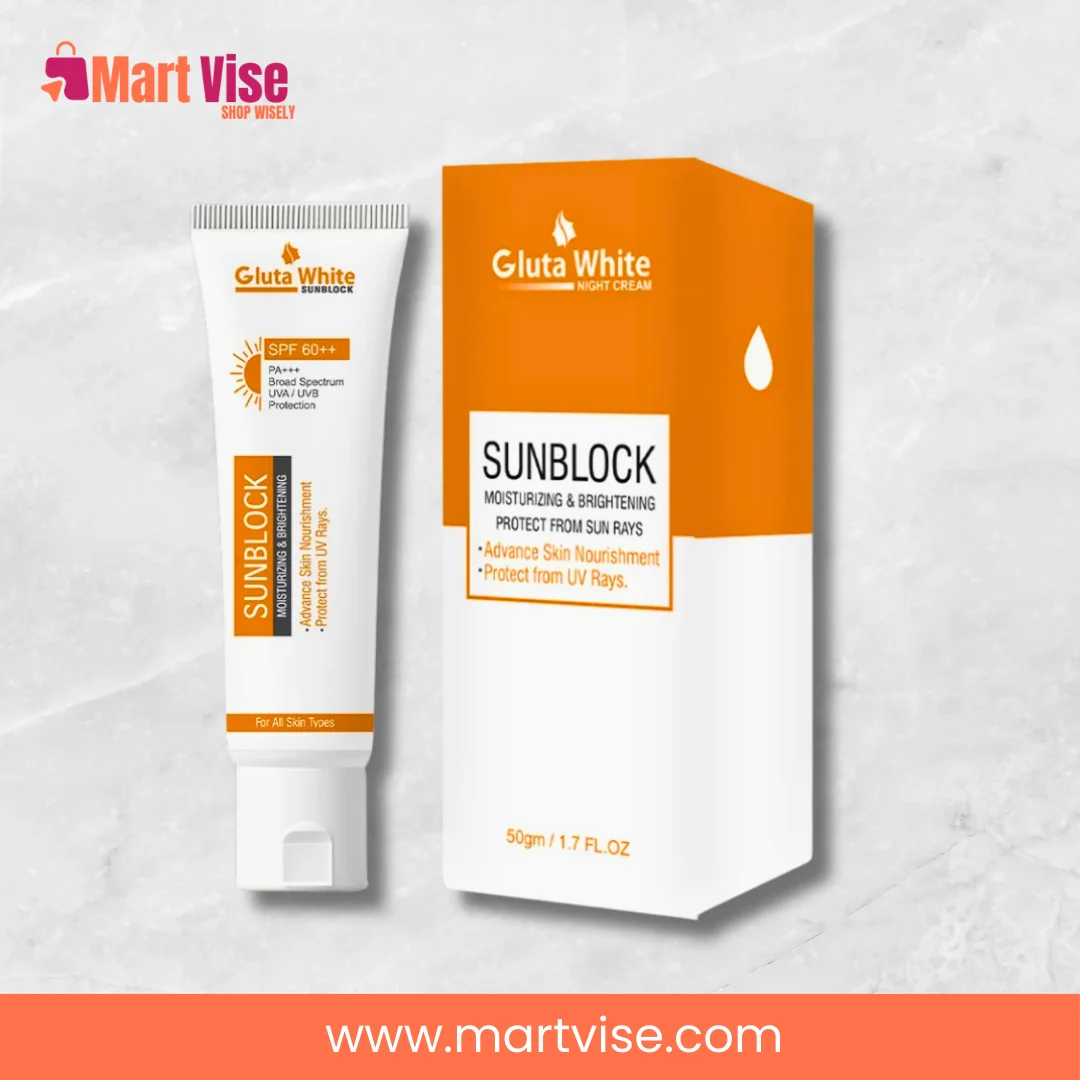
Pros of gel sunscreen
Lightweight, less greasy feel
Often gives a cooling, fresh sensation on application
Usually sits better under makeup
Less likely to feel pore-clogging on oily/combination skin (formulation still matters)
Cons of gel sunscreen
Can feel drying in winter or on naturally dry skin
Some gels may sting if your skin barrier is irritated or over-exfoliated
Reapplication can feel “tight” if the formula is very matte
Real-life example (Karachi shopper)
A Karachi shopper heading to Saddar in the morning applies a gel SPF after moisturizer. Even after walking through humidity, traffic, and crowded markets, the sunscreen still feels light and doesn’t turn super shiny by noon. That’s exactly why gel is often the practical sunscreen for Pakistani climate in coastal, sweaty conditions.
You can explore lightweight gel sunscreens for daily Karachi-style humidity in your sunscreens category.
Cream sunscreen: best for dry, sensitive, and winter skin
Cream sunscreens feel richer and more nourishing. They’re often more comfortable when your skin is dry, sensitive, or irritated and when the weather itself is dehydrating.
When cream sunscreen wins in Pakistan
Reach for a cream texture if
Your skin is dry, sensitive, or easily irritated
You’re dealing with Lahore/Islamabad winters or anywhere with seasonal dryness
You regularly use actives (like exfoliating acids or retinoids) and need extra barrier support
Gel formulas make your skin feel tight, flaky, or itchy
Pros of cream sunscreen
Comfortable, moisturizing finish
Often better tolerated by sensitive or compromised skin (depending on formula)
Helps reduce dry patches and improves how makeup sits on the skin
Great for winters and long days in drying indoor AC
Cons of cream sunscreen
Can feel heavy or sticky in humid heat
May look too shiny on oily skin
Some cream formulas can pill under makeup if you apply too much or layer too quickly
Real-life example (Lahore student):
A Lahore university student notices her face feels dry and tight in winter thanks to a foaming facewash plus AC classrooms. Switching to a cream-based sunscreen for Pakistani climate helps prevent flaking around the mouth and cheeks and makes foundation sit more smoothly.
If this sounds like you, look into a hydrating cream sunscreen for winter routines.
Gel vs cream sunscreen: quick decision guide
If you’re stuck between gel and cream, use this as a simple filter:
Choose gel if.
Your skin is oily or acne-prone
You live in humid weather (Karachi, coastal or seaside areas)
You prefer a matte or natural (not shiny) finish
You reapply often and hate any “heavy” feeling
Choose cream if.
Your skin is dry, sensitive, or easily irritated
You’re dealing with winter dryness (Lahore/Islamabad and similar climates)
You get redness or stinging easily from lighter formulas
You spend long hours in AC and need extra comfort
If you’re still unsure, keep it simple:
Pakistan summer = start with gel. Pakistan winter = switch to cream. Then adjust based on how your own skin behaves.
What matters more than texture: the “Pakistan-proof” checklist
Whether you go for gel or cream, a truly good sunscreen for Pakistani climate should tick these boxes:
Broad-spectrum protection (UVA + UVB)
Comfortable for daily use, not just “special occasions”
Non-greasy for daytime, especially in humid cities
Easy to reapply without turning cakey or patchy
Compatible with your routine (moisturizer, makeup, beard, hijab/scarf, and sweat)
For a deeper dive into SPF basics and everyday care, check out your everyday sun protection and skincare essentials.
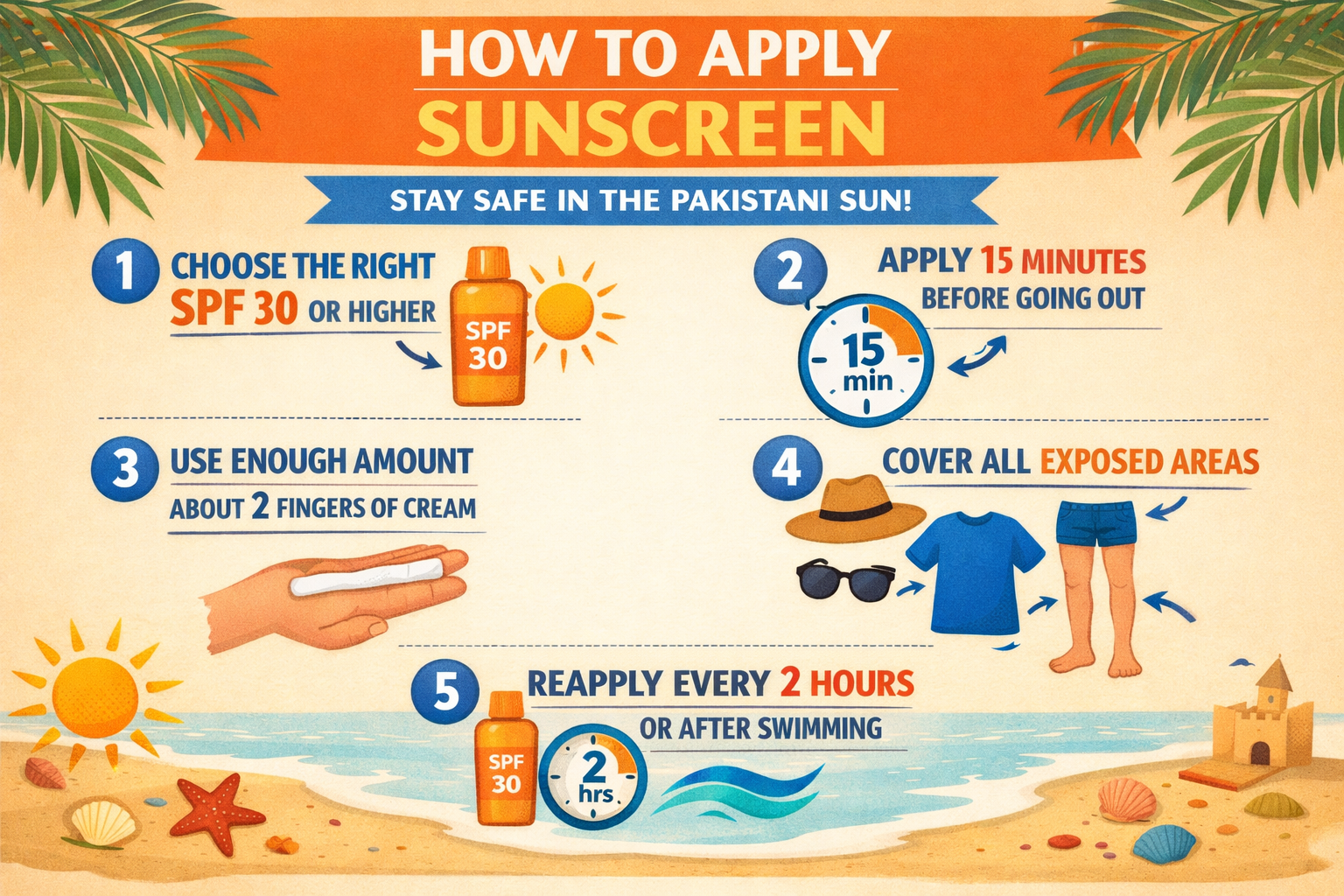
How to apply sunscreen correctly (so it actually works)
Most people in Pakistan under-apply sunscreen, especially when rushing to work, university, or the bazaar. A high SPF printed on the tube doesn’t help if you’re only using a tiny dot.
A practical way to apply
Use a generous amount on face, neck, and ears don’t try to “stretch” a pea-sized drop.
Apply it as the last step of skincare before makeup.
If you’re spending time outdoors, reapply every 2–3 hours (and more often if you’re sweating heavily or wiping your face).
Make reapplication easier in real Pakistani life
Keep a tube of sunscreen in your bag, car, or office drawer for quick top-ups.
If you wear makeup, pick a formula that layers smoothly without pilling or separating your base.
For daily commutes in Karachi, Lahore, or Islamabad, think of reapplication like refilling your water bottle part of your routine, not a luxury.
Consider keeping a travel-size gel sunscreen for reapplication in your pocket or bag.
Common Pakistani sunscreen mistakes (and quick fixes)
“I only need sunscreen in summer.”
UV can still be high even when it’s cloudy or wintery. For real protection, you need sunscreen for Pakistani climate all year round, especially on your face, neck, and hands.
“I apply once in the morning and that’s enough.”
Heat, sweat, and dust break down protection. If you’re outdoors or near windows for long stretches, reapply instead of relying on a single morning layer.
“My sunscreen makes me look dull or grey.”
This is common with some formulas, especially if the tone doesn’t suit your complexion. Try different textures and finishes gel, fluid, or tinted and see what works with your undertone and routine.
If your skin feels irritated after long sun exposure, pair your SPF with a soothing after-sun aloe gel in the evenings.
Bottom Lines
Choosing the right sunscreen for Pakistani climate is really about comfort and consistency.
If you live in humid heat, sweat a lot, or have oily skin, gel sunscreen usually feels lighter and stays wearable throughout the day. If your skin leans dry or sensitive or it’s winter in Lahore, Islamabad, or other cooler cities—cream sunscreen often gives better comfort, less flaking, and a smoother finish under makeup.
Whichever texture you choose, apply enough, reapply when you’re outdoors or commuting, and make it easy enough that you don’t end up skipping it “just for today.”
Ready to find a sunscreen that actually fits your city and skin type? Explore your sun protection range /sunscreens/and pick a gel or cream formula you’ll genuinely use every day easy to order, COD-friendly, and made to fit into your real routine.
FAQs
Q : Is gel sunscreen better for Karachi weather?
Often yes. Karachi’s humidity and sweat can make heavy creams feel greasy and uncomfortable. A gel sunscreen for Pakistani climate in coastal cities usually absorbs faster, feels lighter, and makes daily use and reapplication more realistic.
Q : Is cream sunscreen better for Lahore and Islamabad winters?
A : In many cases, yes. Winter plus indoor heating and AC can dry out skin, so cream sunscreens help reduce flaking and tightness. For dry or sensitive skin, cream can be the more comfortable sunscreen for Pakistani climate choice in cooler months.
Q : How do I choose between gel vs cream sunscreen for oily skin?
A : If you’re oily or acne-prone, start with gel because it typically feels lighter and less shiny. Look for a non-greasy finish and see how it layers with your moisturizer. The best sunscreen for Pakistani climate is the one you don’t mind wearing every single day.
Q : How much sunscreen should I apply on face and neck?
A : Use a generous, even layer on your face, neck, and ears—most people in Pakistan use far too little. Under-applying reduces protection dramatically, even if your sunscreen for Pakistani climate has a high SPF number on the label.
Q : How often should I reapply sunscreen in Pakistan?
A : If you’re outdoors, reapply roughly every 2–3 hours—especially during summer, long commutes, or when you’re sweating. If you’re mostly indoors and away from windows, you may not need to reapply that often, but a solid morning application still matters.
Q : Does sunscreen clog pores in Pakistan’s heat and dust?
A : It can, especially if the formula is very heavy and you’re not cleansing properly at night. Gel textures are often easier on oily or acne-prone skin. Choose a comfortable sunscreen for Pakistani climate and pair it with a good evening cleanse to avoid congestion after dusty days.
Q : Can I use gel sunscreen in winter?
A : You can, but if your skin starts feeling tight, itchy, or flaky, switch to a cream or upgrade your moisturizer underneath. Many people in Pakistan switch between gel in summer and cream in winter it’s a simple tweak that can make your routine much more comfortable.
Q : Should students and office-goers wear sunscreen daily?
A : Yes. Even short daily exposure adds up walking between buildings, sitting near sunny windows, or quick bike rides to class. A wearable sunscreen for Pakistani climate helps reduce tanning over time and supports long-term skin health.
Q : What’s the biggest mistake people make with sunscreen in Pakistan?
A : The two big ones: applying too little and skipping reapplication completely. Even a great sunscreen for Pakistani climate won’t protect properly if you apply a tiny amount once and then stay outdoors for hours.