
Blogs
Cosmetics in Pakistan 2026: Halal, Long-Lasting Makeup
Feb
Halal Cosmetics in Pakistan 2026: Shade Match + Long-Wear Routine
In 2026, buying cosmetics in Pakistan isn’t just about what’s trending on Instagram. It’s about what actually survives Karachi humidity, doesn’t turn orange by 2 PM, and still feels comfortable after a full day of classes, office hours, or back-to-back wedding events.
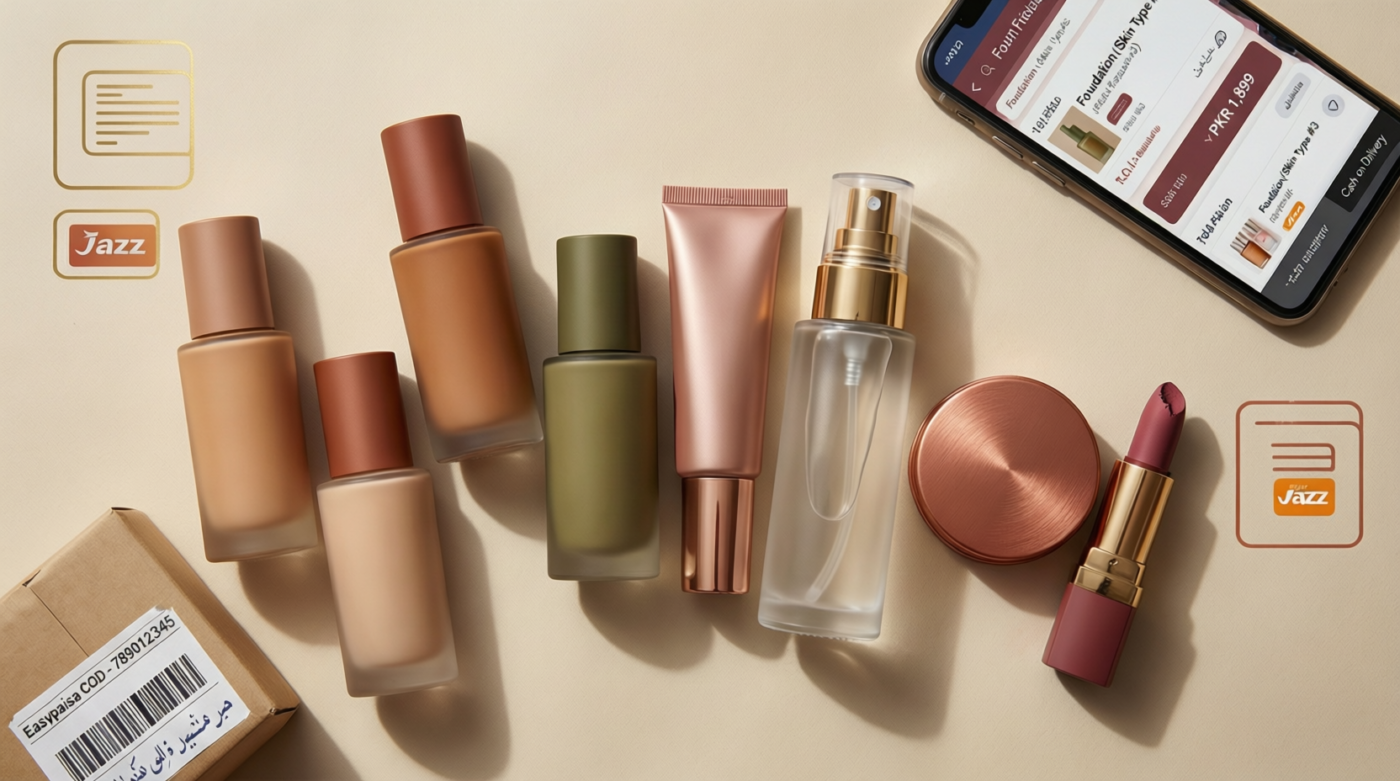
More shoppers are also asking a smarter question: “Is this halal, safe, and trustworthy?” At the same time, real-life buying habits matter. Many people still prefer Cash on Delivery (COD), while others want quick Easy paisa/Jazz Cash checkout and reliable delivery to Karachi, Lahore, Islamabad, Rawalpindi, Faisalabad, and beyond.
At its core, Cosmetics in Pakistan 2026: Halal, Long-Lasting Makeup & Skin-Tone Match Guide comes down to three basics:
Halal and ingredient transparency (when that’s important to you)
Long-lasting performance in heat and humidity
A true skin-tone match for Pakistani undertones (warm, neutral, olive)
Cosmetics in Pakistan 2026 are best chosen by checking three things: halal/ingredient transparency, long-lasting performance for heat and humidity, and accurate shade matching for Pakistani undertones. For long wear, focus on primer + thin layers + setting, and choose sweat-resistant formulas. For shade match, test along the jawline in daylight and pick undertone first (warm/neutral/olive), then depth.
How to check “halal” cosmetics in Pakistan (without confusion)
“Halal” in cosmetics usually relates to ingredient source (avoiding certain animal-derived or doubtful ingredients), manufacturing controls, and clean handling. In 2026, most Pakistani shoppers take a practical, balanced approach:
If halal is your top priority.
Look for clear halal claims, brand transparency, and credible certification references on packaging or official product pages. Avoid brands that hide ingredient lists or use vague wording.
If sensitive skin is the main concern.
Prioritize fragrance levels that suit you, dermatologist-tested claims (when available), patch testing, and simpler formulas over fancy buzzwords.
If both matter.
Pick halal-positioned brands and avoid known irritants for your skin type. Many shoppers keep a small “safe list” of ingredients that work for them.
Pakistan context tip.
When ordering online, choose stores that show batch/expiry info and offer COD + easy exchanges, especially for foundations and concealers where shade mistakes are common.
Internal link idea: browse your site’s while planning your full-face routine.
Long-lasting makeup in Pakistani weather (the 2026 routine that works)
If you want your look to survive load-shedding heat, commute dust, wedding halls, and office AC, think “thin layers + set smart” instead of piling everything on.
Start with skin prep (this is where wear-time begins)
Makeup only lasts as well as the skin underneath.
Oily skin: gel moisturizer + optional niacinamide serum
Dry skin: thicker moisturizer + hydrating sunscreen
Everyone: let skincare settle 3–5 minutes before makeup so products don’t mix into a slippery layer
Internal link: pair your makeup with a basic routine from.
Primer is not optional in summer
A good primer helps your base grip better and reduces melt, especially in cities like Karachi and Lahore.
For oily skin: pore-blur or mattifying primer
For dry skin: hydrating or smoothing primer
For events: focus primer on the T-zone and smile lines, not the whole face
You can keep it simple with just one solid option, like if your store offers it.
Quick primer comparison
| Skin type / concern | Primer type | What it helps with |
|---|---|---|
| Very oily / humid days | Mattifying / pore-blur | Shine control, smoother-looking pores |
| Normal–combo, everyday use | Soft-blur / smoothing | Mild oil control, grip, light blur |
| Dry or dehydrated skin | Hydrating primer | Dry patches, tightness, smoother base |
Foundation: thin layers beat heavy coverage
In Pakistani heat, thick foundation almost always cracks, creases, or oxidizes.
Start with one thin layer of foundation or skin tint.
Use spot concealing on dark circles, marks, or redness instead of a heavy second layer.
If you sweat easily, look for long-wear or “soft matte” finishes.
Set only where you need it (usually the T-zone), not the entire face.
Real example (Karachi): Someone leaving home at 9 AM and returning at 6 PM usually gets better results from light foundation + spot concealer + setting spray than from a full, heavy base that feels mask-like by lunchtime.
Set like a pro (powder + spray combo)
The right setting routine can turn the same products into a full-day look:
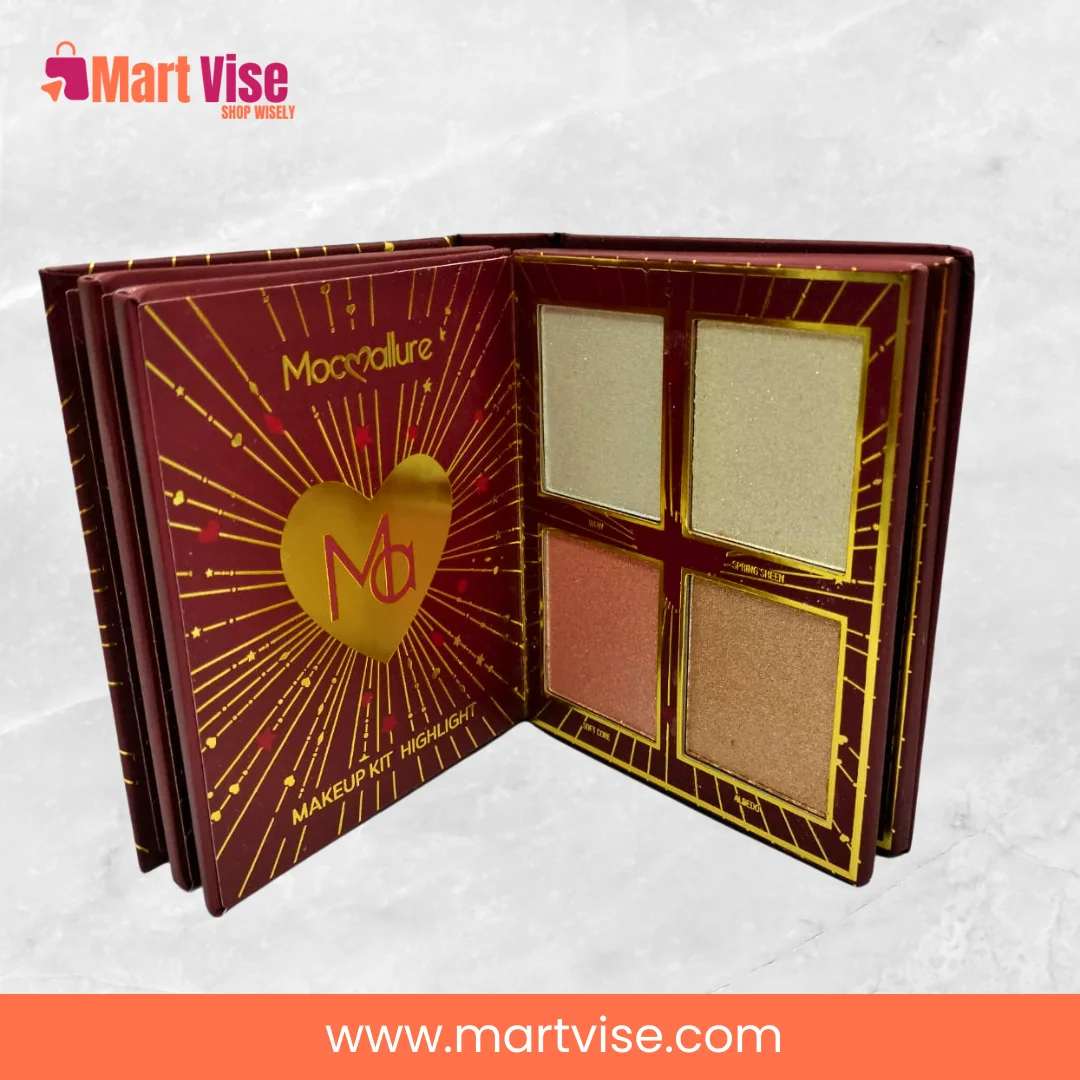
Use a loose powder lightly on T-zone and under-eyes to stop creasing.
Avoid heavy baking in daily wear; save that for special events if you like the effect.
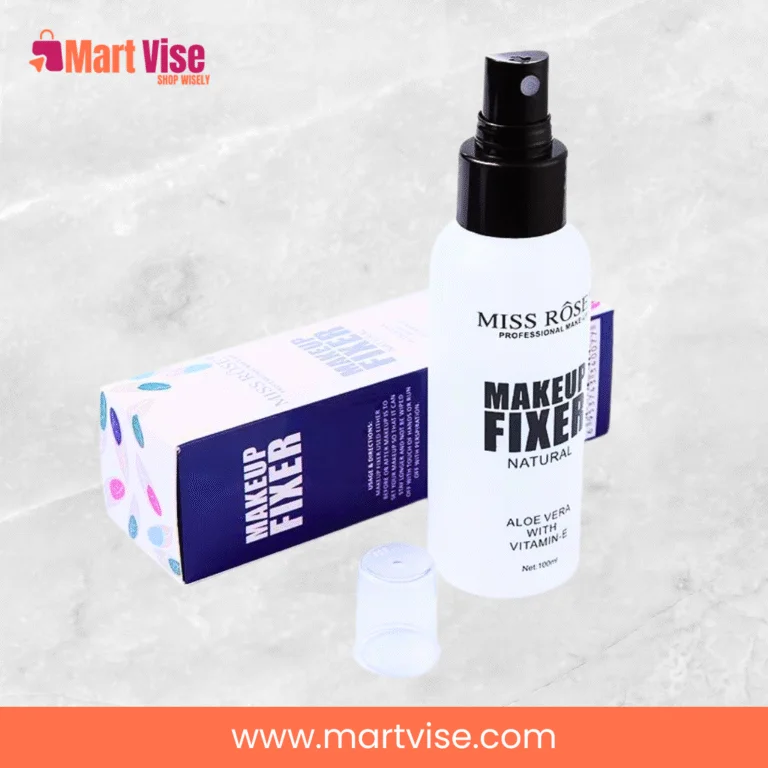
Finish with a setting spray especially for weddings, dholki, mehndi, and long outdoor events.
Internal link: add a staple like to your event-season kit.
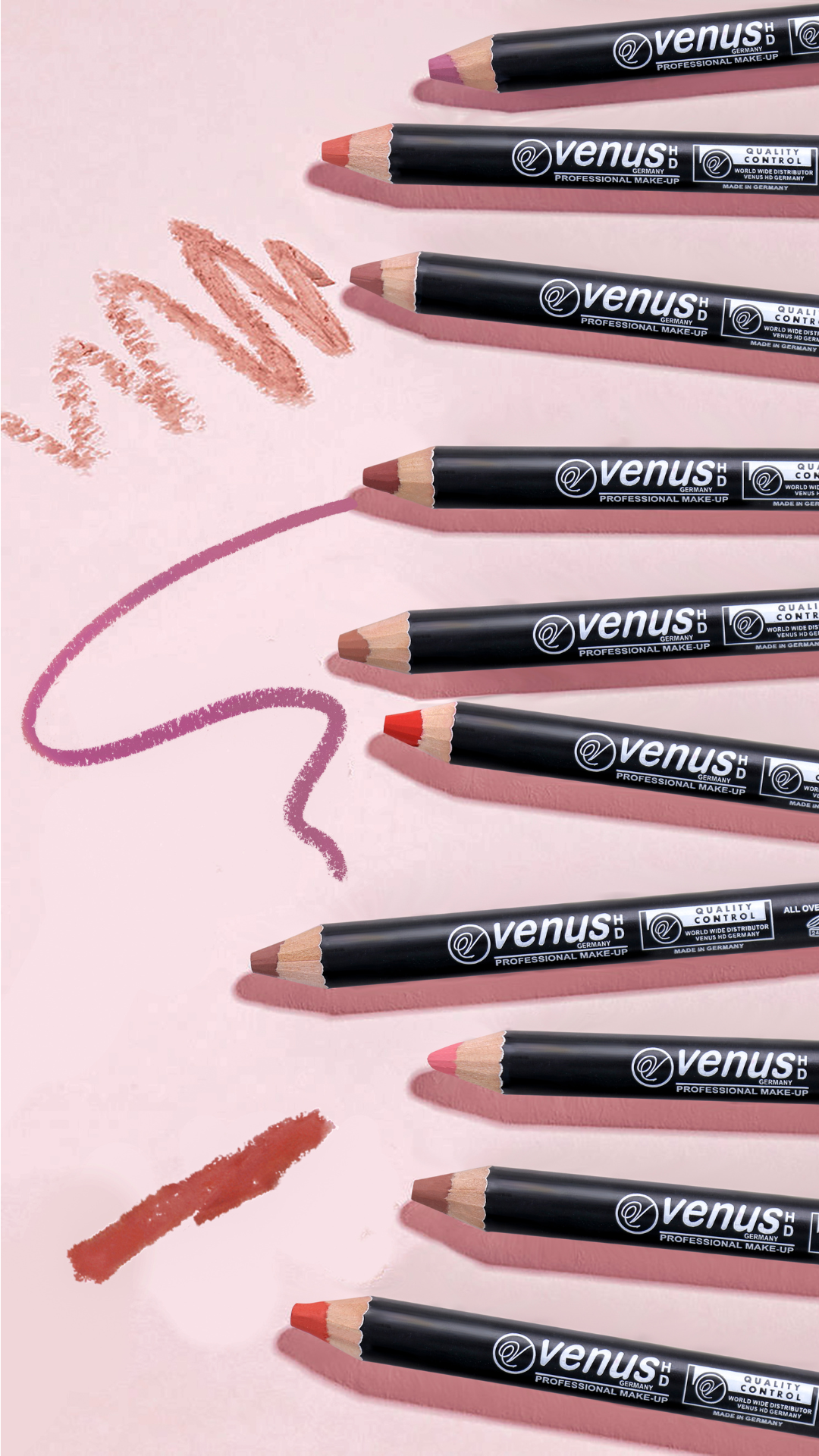
Long-lasting lip in Pakistan (food-proof reality)
Between chai, biryani, buffet dinners, and midnight shawarma, no lipstick is truly “zero transfer”—but you can get close.
Try this layering method:
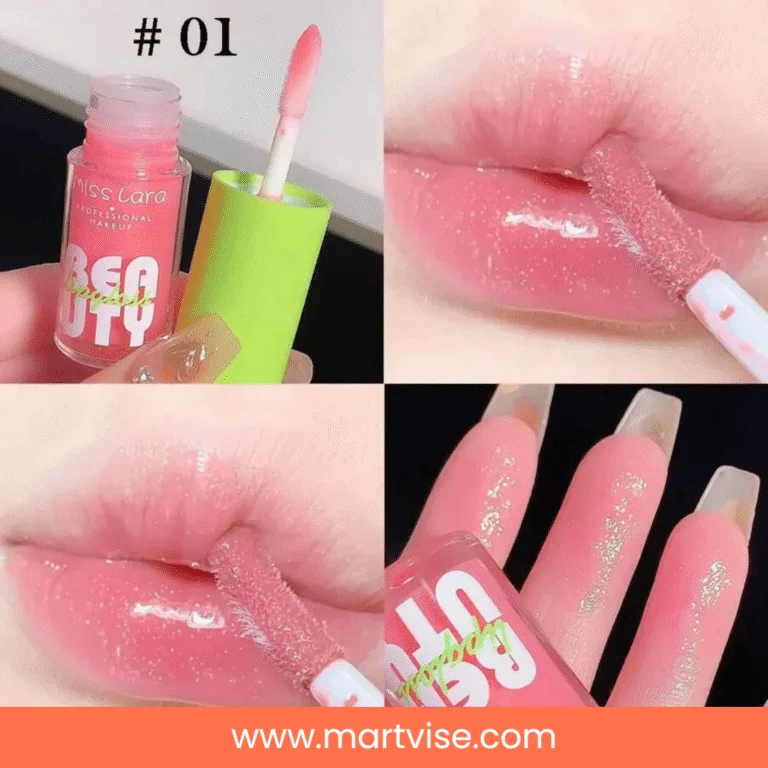
Start with a lip stain or tint as a base.
Apply your regular lipstick on top.
Blot and reapply once for extra grip.
Use clear gloss only in the center of the lips if you want shine without too much slip.
Internal link: suggest something like for bridesmaids, cousins, and guests.
Skin-tone match guide for Pakistani undertones (no more grey/orange base)
Most shade-matching fails in Pakistan come from undertone confusion and oxidation. The good news: once you fix these two, your base suddenly looks far more expensive even if the product itself is affordable.
Find your undertone first (warm, neutral, olive)
Look at your overall tone, not just your wrist:
Warm undertone: golden/yellow hue, tans easily, gold jewelry looks very flattering
Cool undertone: pink/red hue; silver jewelry often pops more
Neutral undertone: a mix of warm and cool; both gold and silver suit you
Olive undertone: slightly greenish/ashy cast, common across South Asia and very common in Pakistani skin tones
Knowing this before shopping makes every foundation test easier.
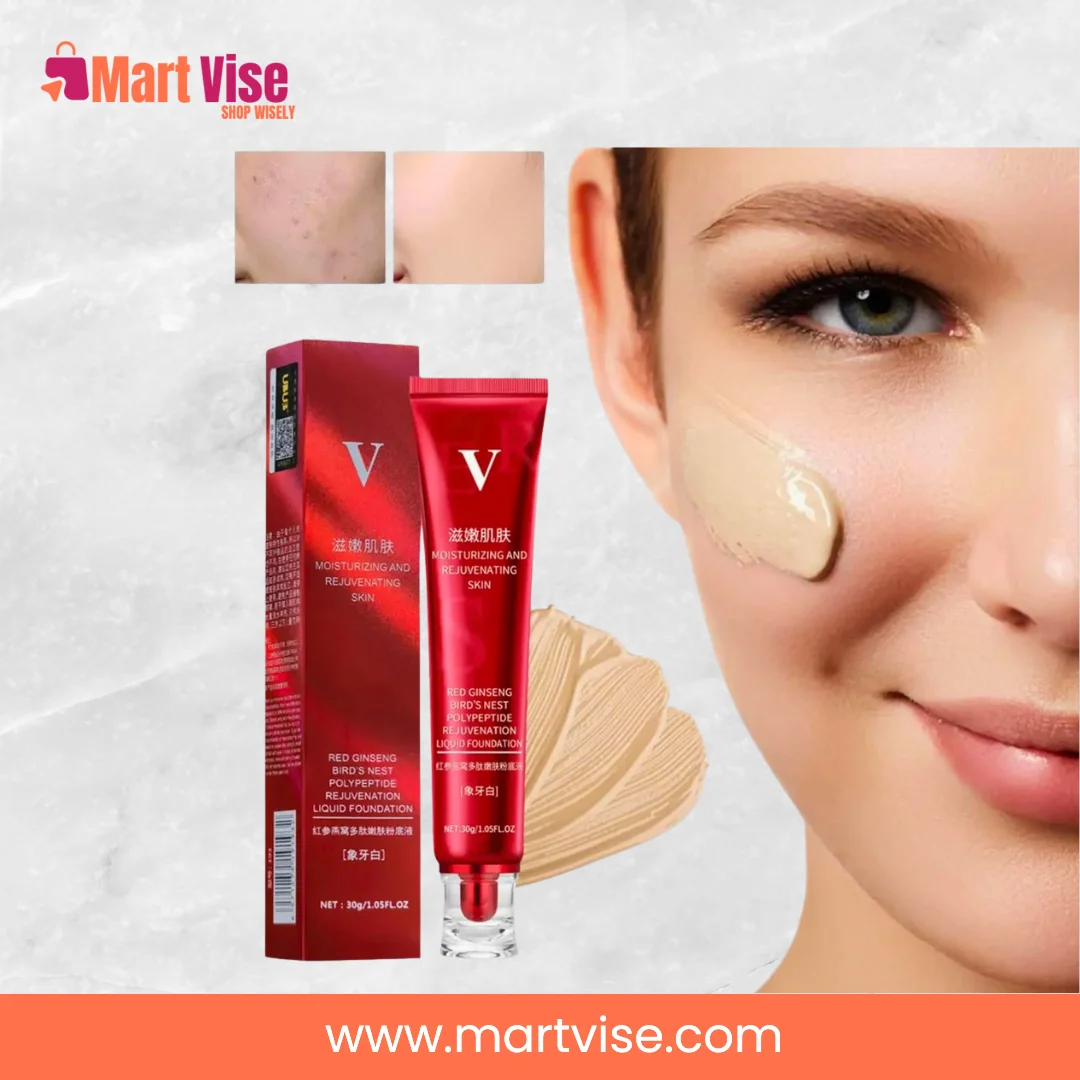
Test on jawline in daylight
Avoid testing on the back of your hand it’s often lighter or darker than your face.
Apply 2–3 close shades along the jawline.
Step outside or stand near a window with good natural light.
The right match is the one that disappears into your face and neck without looking like a separate mask.
Wait 10 minutes (oxidation check)
Many foundations get darker or more orange after a few minutes, especially on oilier skin.
If your chosen shade turns orange after around 10 minutes, try:
Going one shade lighter, or
Switching to a more neutral or olive undertone from the same range
Real example (Lahore): A university student buying a “perfect” match indoors later notices that hostel selfies and outdoor photos look dull or orange. Waiting those extra 10 minutes in daylight can completely change the final choice.
Pick coverage based on your real life
Don’t let labels pressure you into full coverage every day.
Daily wear: light-to-medium coverage looks more skin-like and is less likely to crack.
Weddings and events: medium buildable coverage with stronger setting is usually enough for photos and stage lights.
Acne or marks: focused spot concealing on problem areas often looks more natural than a very thick base everywhere.
Internal link: help shoppers start with the right category like
Where Pakistan shoppers win in 2026 (smart buying tips)
A few small decisions make Cosmetics in Pakistan 2026 feel much less risky and much more fun:
Use COD for first-time shade testing, especially with new brands or formulas. Once you’ve confirmed a match, switch to Easy paisa/Jazz Cash for faster repeat orders.
Prefer stores that show shade names, undertone notes (warm/neutral/olive), and clear swatch photos on Pakistani skin tones.
Instead of buying six new products in one go, build a routine slowly: base → concealer → powder → lip → setting.
For weddings and big events, do a full wear test at least once before the day ideally in similar weather and lighting.
Concluding Remarks
In practice, Cosmetics in Pakistan 2026: Halal, Long-Lasting Makeup & Skin-Tone Match Guide is less about chasing trends and more about matching real Pakistani life heat, humidity, events, and our online shopping habits.
If halal matters to you, choose transparent brands and trusted sellers with clear ingredient lists and, where relevant, certification references.
If long wear matters, keep your routine light but strategic: prep well, use thin layers, and set smart with powder and setting spray.
If shade matching has failed you before, start with undertone, test on the jawline in daylight, and wait those 10 minutes to see the true color.
Ready to upgrade your routine? Start with one long-wear base product + one reliable lip, then slowly build your kit from. If you’re unsure, create a 3-shade shortlist, order with COD, and only commit to a full face once you’ve tested them on your own skin.
FAQs
Q : What does “halal cosmetics” mean in Pakistan in 2026?
A : Halal cosmetics generally mean the product avoids non-halal ingredients (especially certain animal-derived components) and follows clean handling and production standards. In Pakistan, many shoppers look for clear brand transparency, ingredient lists, and credible certification references. If you have sensitive skin, also pay attention to fragrance levels, do patch tests, and keep your routine simple.
Q : How can I find my foundation shade for Pakistani skin tones?
A : Start by choosing your undertone warm, neutral, cool, or olive then test 2–3 shades on your jawline in daylight (not on your hand). Wait about 10 minutes to see if the product oxidizes. The correct shade should blend into both your face and neck without turning grey, pink, or orange.
Q : How do I make makeup long-lasting in Karachi or humid weather?
A : Prep with light skincare, use primer mainly on the T-zone, and apply foundation in thin layers instead of thick coats. Set only where you get oily with a small amount of powder, and finish with a setting spray for sweat resistance. Avoid stacking too many heavy creams under your base during peak humidity, because they tend to melt and crease faster.
Q : Is long-wear makeup safe for daily use?
A : It can be, as long as you remove it properly and choose formulas that suit your skin type. Long-wear products are often more film-forming, so double cleansing (balm/oil first, then face wash) helps prevent build-up. If you’re acne-prone, look for non-comedogenic or lightweight claims, avoid over-layering, and patch test any new product first. This is general information, not medical advice.
Q : How do I stop foundation from oxidizing orange?
A : Go for a more neutral or olive undertone, apply thinner layers, and set lightly instead of baking heavily. Oxidation can be worse on very oily skin, so using a mattifying primer and oil-control powder on key areas often helps. Always wait around 10 minutes after swatching to see the true shade before you decide.
Q : What’s better in Pakistan: imported or local cosmetics in 2026?
A : Both can work well. Local products often suit Pakistani undertones and climate better, while imported options might offer broader shade ranges or specific finishes. The best choice is performance-based: shade match, wear-time, comfort, ingredient transparency, and authenticity from a trusted seller—whether the product is local or imported.
Q : How can I choose a lipstick that survives meals?
A : Layering is your friend. Apply a lip stain or tint as a base, then lipstick on top, blot, and reapply once. For events, choose more transfer-resistant formulas and avoid thick layers of gloss that slide around easily. Keep a small lipstick or tint in your bag for quick post-meal touch-ups.
Q : How do I build a halal-friendly makeup kit on a budget?
A : Start with versatile essentials: a good primer or sunscreen as a base, a skin tint or foundation, concealer, powder, and one long-wear lip product that works for both day and night. Buy complexion products carefully (COD helps reduce risk for shade mismatches), then add blush, mascara, and eye products later. Focus on items you’ll use multiple times a week.
Q : How do I order cosmetics online in Pakistan safely?
A : Buy from reputable stores that show expiry/batch info, shade guidance, and clear return or exchange policies. For first-time shade tests, use COD so you’re not locked in if something is off. Once your shade is confirmed, switching to Easy paisa/Jazz Cash makes repeat orders faster. Keep photos of packaging and invoices if you need to request an exchange.