
Blogs
Makeup for Pakistani Skin Tones: Shade Matching Guide
Feb
Shade Matching Guide for Pakistani Skin Tones (Warm, Neutral, Olive)
Choosing the right shade in Pakistan is tricky. Shop lights, Eid-night glam, office fluorescents, and Karachi afternoons all show your base differently. A foundation that looks perfect in a Saddar store can turn ashy outdoors, and a concealer that seems “brightening” under indoor lights can look grey in daylight. That’s why makeup for Pakistani skin tones needs a slightly different shade-matching approach one that respects undertones, our common “wheatish” range, and the heat/humidity that can oxidize makeup.
Most Pakistani skin tones fall into warm, neutral, or olive undertones, often with golden or greenish hues rather than pink. Add in city factors Karachi humidity, Lahore smog, Islamabad’s drier winters and shade selection becomes even more specific. Once you get your undertone and depth right, everything settles into place: foundation blends better, blush looks like a real flush, and lipsticks stop pulling weirdly orange or purple.
If you’re building your kit from scratch, start with base products first. You can explore options in our and then fine-tune your shades using the guide below.
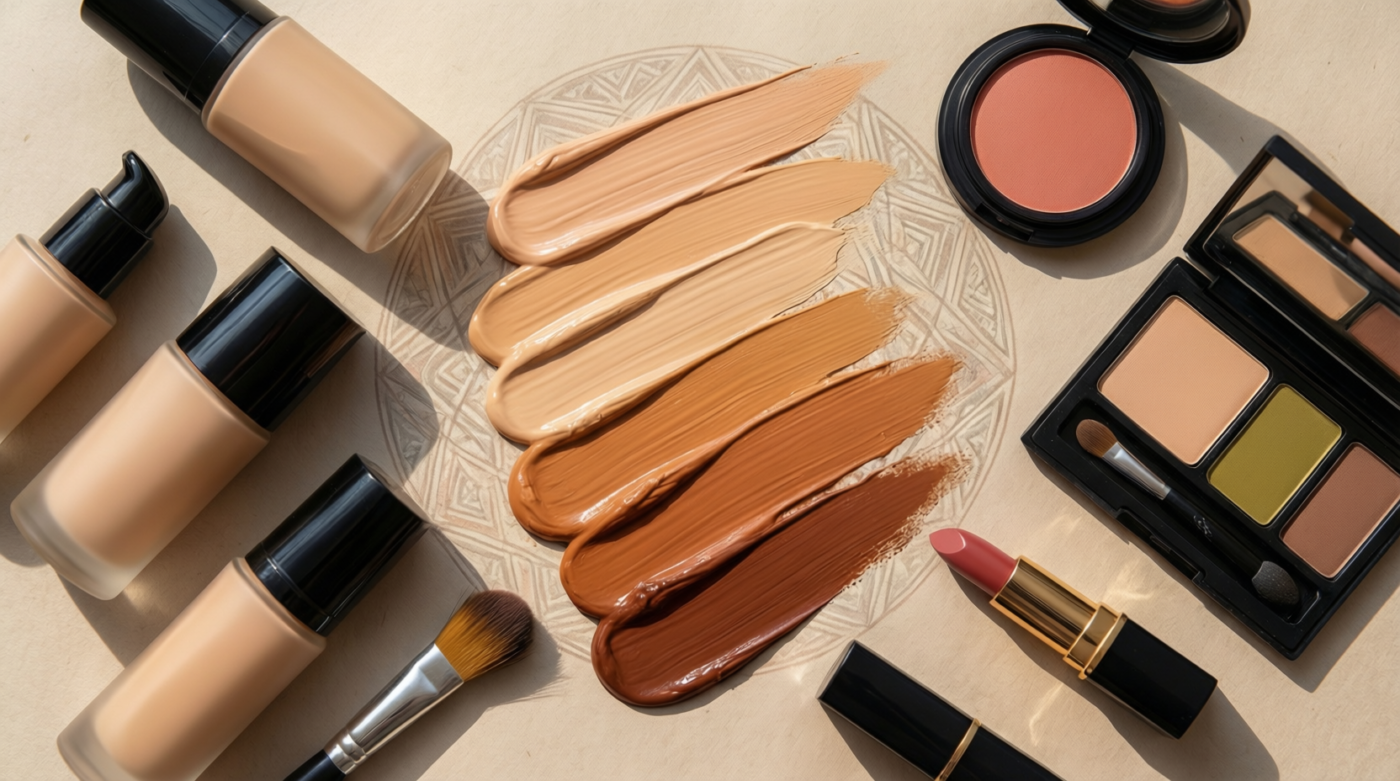
Makeup for Pakistani skin tones looks most natural when you match undertone + depth, not just “fair” or “wheatish.” Check your undertone on the jawline in daylight, and choose a foundation that disappears into your face and neck. Most Pakistani complexions suit warm golden, neutral beige, or olive bases, so avoid very pink shades that go grey. Always test 3 jawline swatches, wait around 10 minutes for oxidation, and confirm the match outdoors before you commit.
Understand Pakistani Skin Tones: Depth vs Undertone
When we talk about makeup for Pakistani skin tones, there are two separate things you need to match:
Skin depth how light or deep your complexion is
Undertone the subtle color running underneath your skin
Skin depth (how light or dark you are)
Common local ranges.
Fair light beige, sometimes slightly neutral
Light–Medium / Wheatish very common; usually golden or olive
Medium–Tan warm golden, caramel, or olive
Deep warm cocoa, golden-brown, sometimes with a red-gold hint
Undertone (the color underneath your skin)
Warm: golden/yellow; gold jewelry usually pops against your skin
Neutral: balanced mix; both gold and silver look equally good
Olive: slight green/grey cast; many foundations turn orange or muddy
Key point: In Pakistan, “wheatish” usually means olive or warm-neutral, not “pink” or rosy.
Mini Shade-Matching Cheat Sheet
Use this as a quick mental “shade chart” when you’re scrolling or standing at a counter:
| Skin Depth | Likely Undertones | Shade Keywords to Look For |
|---|---|---|
| Fair | Neutral / Warm | light beige, warm ivory, soft sand |
| Light–Medium / Wheatish | Warm / Olive / Neutral | golden beige, warm sand, neutral-olive |
| Medium–Tan | Warm / Olive | caramel, honey, golden tan, olive beige |
| Deep | Warm / Red-gold | cocoa, espresso, warm chestnut, rich bronze |
Use the keywords on shade names to narrow things down before you even swatch.
Easy Undertone Tests You Can Do at Home
Try these simple checks before buying makeup for Pakistani skin tones, especially if you’re ordering online.
Jawline daylight test (best)
Apply 3 foundation swatches on your jawline, slightly crossing onto the neck. Step into natural light—near a window or outside.
The right shade will “vanish” into both face and neck.
Ignore how it looks on your wrist or hand; they’re often lighter or darker than your face.
White vs cream cloth
Hold a white cloth and a cream cloth near your face:
If cream looks softer and more flattering → you’re likely warm/olive
If white looks cleaner and more flattering → you’re likely neutral or cool-leaning (less common, but it happens)
Oxidation check (Pakistan-specific)
In our heat and humidity, many foundations oxidize (get darker or more orange).
After swatching, wait 10–15 minutes before deciding.
If a shade that looked perfect at first turns deeper or orange, size down to a slightly lighter or more neutral/olive tone instead.
Foundation Shade Matching (The Rule Pakistan Needs)
For makeup for Pakistani skin tones, don’t match to your cheek alone. Cheeks often carry more redness or tan than the rest of your face.
Instead, match to:
Jawline + neck (so your face doesn’t look like a separate color)
Daylight (window or outdoor light)
After oxidation (give it a few minutes to settle)
What to choose by undertone
When scrolling shade names or standing at a counter, look for these keywords:
Warm: golden, warm beige, honey, caramel
Neutral: neutral beige, sand, natural
Olive: olive, golden-olive, neutral-olive
Avoid very “peachy warm” shades; they often turn orange on olive skin in Pakistani weather.
Real example (Karachi shopper)
A Karachi shopper with wheatish skin picks a “Warm Beige” foundation under harsh store lights. Outside in the humidity, it turns noticeably orange after a short walk. The fix? Switching to a neutral-olive shade and setting it lightly with powder for long days out.
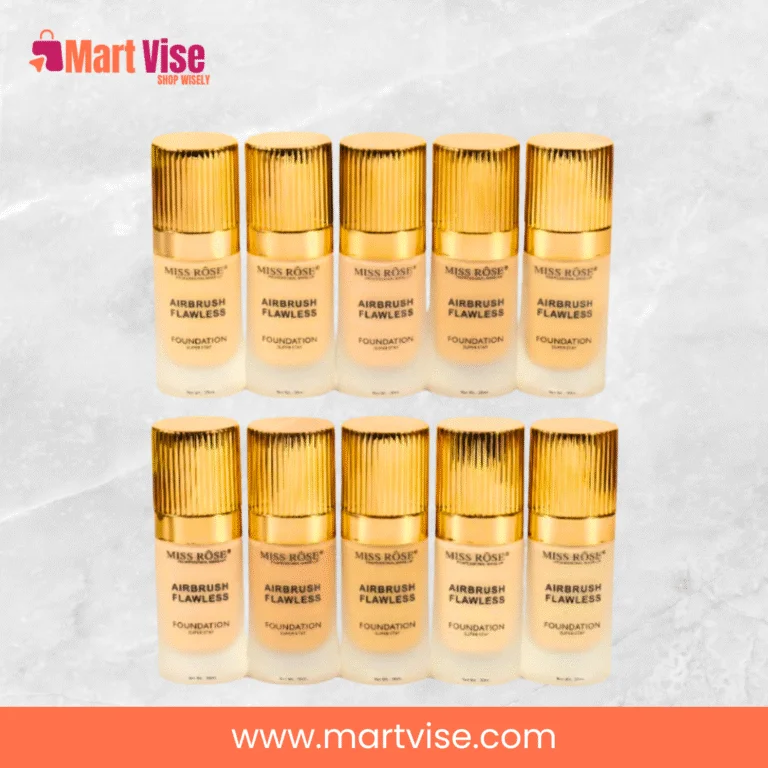
For everyday wear, pick a formula that suits your lifestyle office, university, or bridal events and then shade-match using this method with something.
Concealer Matching: Brightening Without Going Grey
Concealer is where many people struggle with makeup for Pakistani skin tones. The wrong undertone can make your under-eyes look grey, ashy, or oddly peachy.
Two-concealer method (simple and effective)
Spot concealer: same shade and undertone as your foundation
Under-eye brightener: about 1 shade lighter, same undertone
Tips for common undertones.
If you’re olive, be careful with overly pink “brightening” concealers they can look grey.
Choose neutral or golden brightening shades instead of very cool/pink ones.
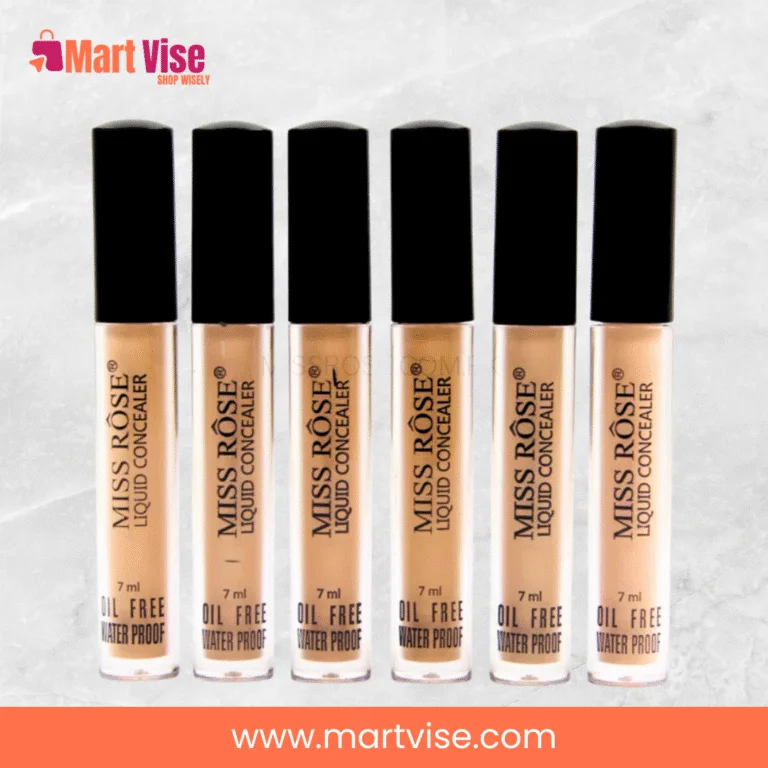
If you have strong dark circles, use a corrector first, then layer a concealer like over it.
Blush, Bronzer & Highlighter for Pakistani Undertones
Once your base is right, color products bring everything to life.
Blush shades that flatter most Pakistani skin tones
Wheatish / warm: peach, coral, warm rose
Olive: muted peach, terracotta rose
Deep: brick rose, berry, burnt coral
For a natural flush that still shows in Lahore or Islamabad daylight, explore in these tones.
Bronzer (avoid the orange stripe)
Bronzer should look like a soft shadow, not a fake tan line.
Warm undertones: caramel-golden bronzers
Olive undertones: neutral brown bronzers (avoid anything obviously orange)
Deep tones: rich cocoa bronzers with warmth (not grey)
Apply where the sun would naturally hit: forehead edges, temples, under cheekbones, and a little under the jaw.
Highlighter
Pick a highlighter that matches your undertone instead of fighting it:
Wheatish: champagne-gold
Olive: soft gold or light warm champagne (avoid icy silver)
Deep: warm gold or bronze highlight
Too-cool, silvery highlighters can sit on top of the skin and look harsh, especially in HD cameras at mehndi or baraat events.
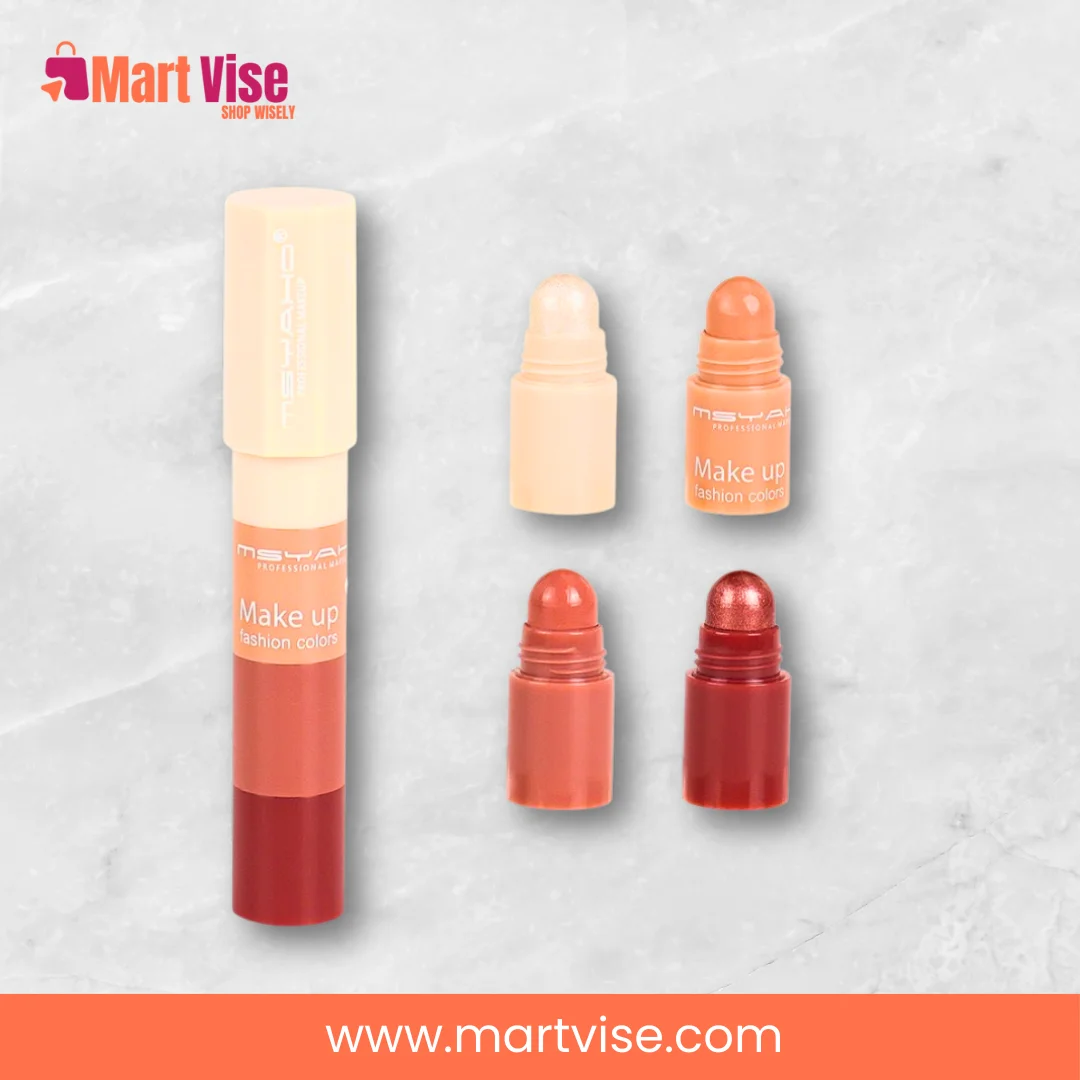
Lipstick Shade Matching (The Pakistani Skin Tone Shortcut)
Lipstick can transform makeup for Pakistani skin tones instantly but undertone still matters.
Easy, safe picks for most Pakistani skin tones
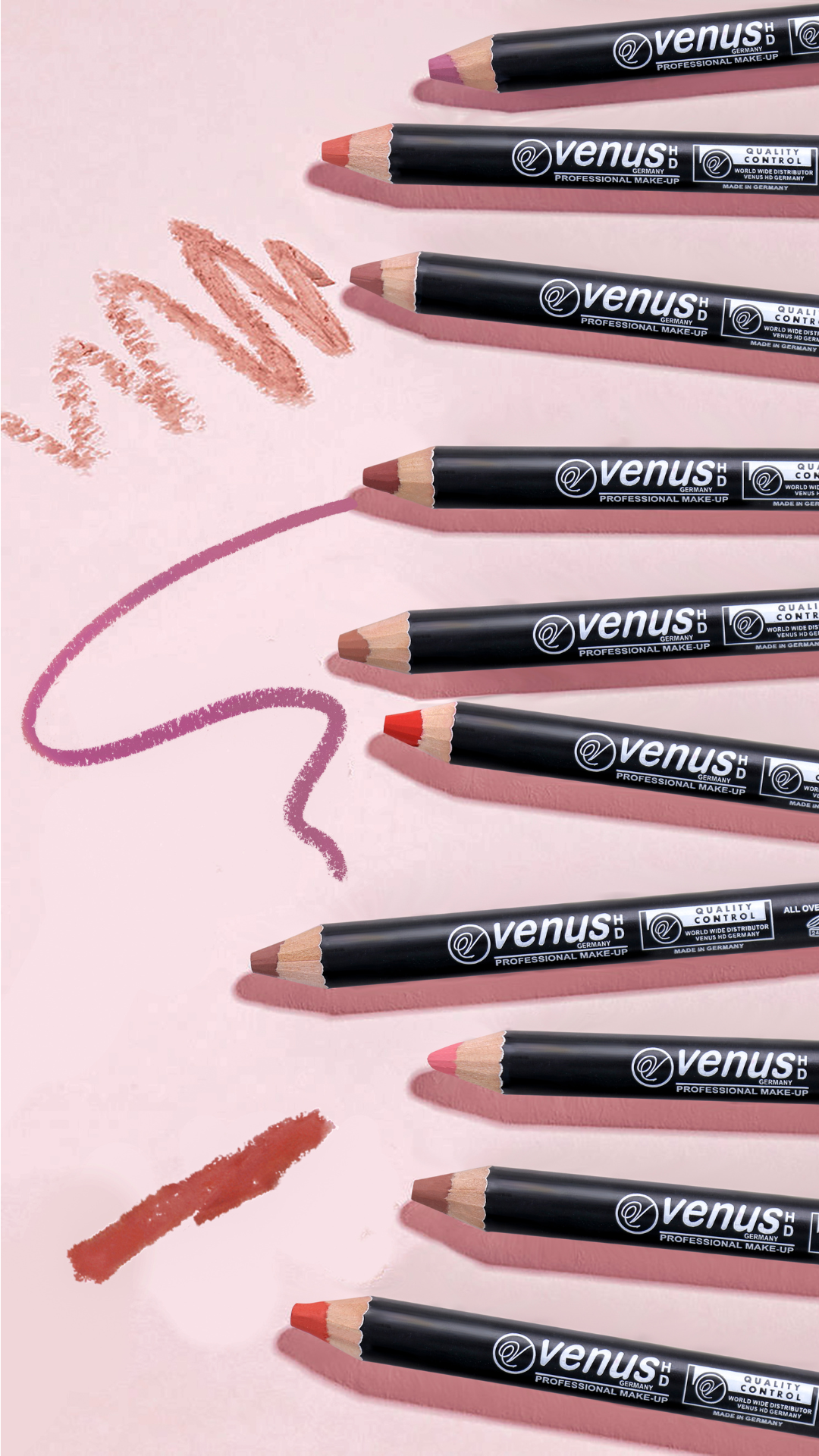
Everyday: warm nude, rosy-brown, caramel nude
Events: brick red, warm cherry red, deep maroon
Trendy: terracotta, cinnamon, brownish mauve
Real example (Lahore student)
A Lahore uni student buys a very pale nude that looks “pretty” on her hand but washes her out in selfies. She switches to a rosy-brown nude plus a slightly deeper warm lip liner. The result: natural but polished lips that work with minimal base makeup.
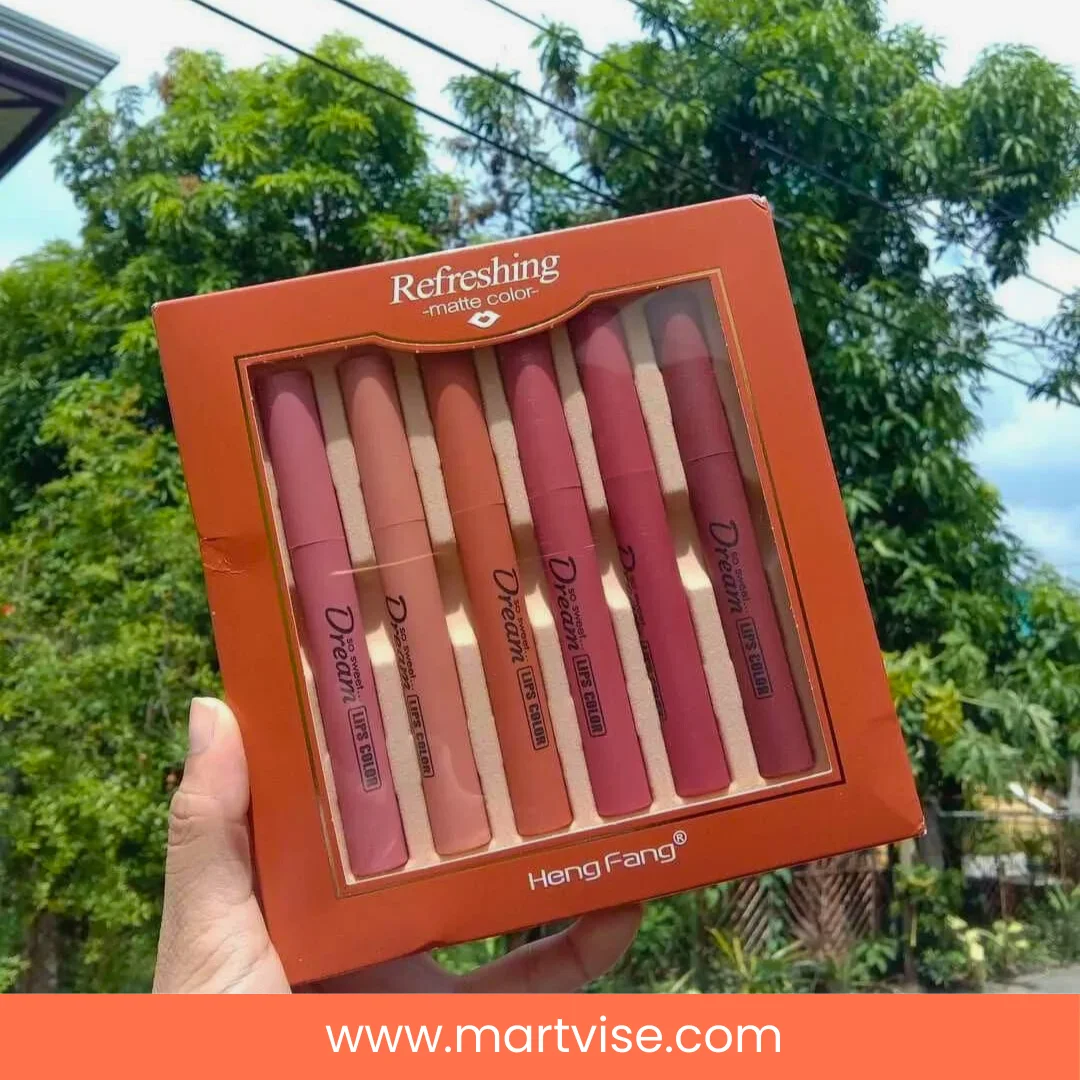
For daily wear, browse try in a warm nude or rosy-brown family.
Shade Testing in Pakistan: Where and How to Test Properly
If you’re buying makeup for Pakistani skin tones online (very common with COD), be a little strategic.
Before ordering.
Check shade swatches on multiple skin depths if possible
Prefer sellers that allow exchanges or returns (where available)
Compare user photos from other Pakistan-based buyers when you can
When your parcel arrives (especially with COD)
Swatch on the jawline, not the wrist
Wait around 10 minutes for the shade to settle and oxidize
Check the match near a window or in daylight
Wear it for 2–3 hours to see how it behaves in your city’s weather
If you shop using Easypaisa or JazzCash for convenience, keep a shortlist first don’t impulse-buy vague shade names like “Natural” or “Beige” without checking undertone.
Common Shade-Matching Mistakes (And Quick Fixes)
These mistakes show up everywhere from Karachi markets to malls in Islamabad:
Matching to wrist/hand →
Hands are often a different color from your face.
Fix: always match to the jawline + neck.
Ignoring olive undertone →
Leads to orange or grey base, especially on “wheatish” skin.
Fix: look for neutral-olive or golden-olive foundations instead of generic warm ones.
Going too light for “brightening” →
A too-light base or concealer gives a ghostly, ashy look.
Fix: brighten with 1 shade lighter concealer only, and use correctors for darkness.
Skipping oxidation wait →
The shade looks fine in store or right after application, then turns wrong after 15 minutes.
Fix: swatch, wait, then decide.
Using pink powders on warm/olive skin →
Pink-based powders can make the whole base look dull or grey.
Fix: choose yellow, golden, or neutral setting powders.
Quick salvage tip.
If your foundation is slightly off, you can:
Mix it with a more correct shade
Adjust with a better-toned powder or bronzer
But long term, it’s better (and cheaper) to get the undertone right from the start.
Concluding Remarks
Finding makeup for Pakistani skin tones becomes much easier when you think in terms of undertone + depth, instead of just “fair” vs “wheatish.” Use jawline swatches in daylight, give the product time to oxidize, and look for warm golden, neutral beige, or olive-friendly bases instead of pink-leaning shades that turn grey or orange in our climate.
Start with a well-matched foundation, add a concealer that truly brightens without going ashy, and then pick blush, bronzer, highlighter, and lipsticks that respect your undertone. The result is a base that looks like your skin just smoother, more even, and ready for anything from office days to full wedding-season glam.
Ready to upgrade your everyday look? Explore our build a shade-matched base set for your skin tone perfect for office, university, and shaadi season glam, with COD-friendly shopping across Pakistan.
FAQs
Q : How do I find my undertone in Pakistan?
A : Check your jawline in daylight with 2–3 foundation swatches and wait about 10 minutes for oxidation. If golden shades blend best, you’re likely warm; if balanced shades blend, you’re neutral; if many shades look orange, you may be olive. Undertone matching is the most important step in makeup for Pakistani skin tones.
Q : How do I match foundation for wheatish skin?
A : Most wheatish tones in Pakistan suit warm-neutral or olive bases. Avoid very pink foundations because they can look grey once they set. Swatch on the jawline, confirm in daylight, and pick the shade that disappears into your neck this is the easiest and most reliable method for makeup for Pakistani skin tones.
Q : How can I stop my foundation from turning orange?
A : Orange shift usually happens because of oxidation + wrong undertone. Choose a more neutral or olive-leaning base, let it set 10–15 minutes before deciding, and set lightly with powder. In Karachi-style humidity or during hot Lahore summers, long-wear formulas can oxidize more, so always test before fully committing.
Q : What’s the best concealer shade for Pakistani skin tones?
A : Use two concealers if you can:
One that matches your foundation for spots and pigmentation
One that’s about 1 shade lighter (same undertone) for under-eyes
Going too light makes under-eyes look grey or ashy—especially on olive and wheatish Pakistani skin.
Q : Which blush shades look natural on Pakistani skin?
A : Peach, coral, warm rose, terracotta rose, and brick rose usually look the most natural on Pakistani undertones. Very cool, Barbie-pink blushes can look harsh or artificial on warm and olive undertones. For makeup for Pakistani skin tones, warm blush shades mimic a real, healthy flush in daylight.
Q : Do olive undertones exist in Pakistani skin?
A : Yes olive undertones are very common in Pakistan and are often described casually as “wheatish.” Olive skin can easily turn foundations orange or grey if the undertone is wrong. Look for neutral-olive or golden-olive bases and avoid overly peachy shades that shift in our climate.
Q : What lipstick shades suit Pakistani skin tones best?
A : Rosy-brown nudes, caramel nudes, terracotta, brick red, warm cherry red, and deep maroon are consistently flattering. If a pale nude washes you out, pair it with a warmer lip liner to bring life back to the lips. Lip shades play a big role in how balanced makeup for Pakistani skin tones looks overall.
Q : How should I test makeup shades when buying online in Pakistan?
A : When ordering with COD or online wallets:
Test on the jawline, not the wrist
Wait around 10 minutes
Check the shade in daylight
Wear it for a few hours to spot oxidation
Keep your packaging until you’re happy with the match. This small routine saves money and makes makeup for Pakistani skin tones much easier to shop online.
Q : Is it okay to match foundation to my face only?
A : Not ideal. Matching only to your face can create a “floating face” effect where your neck and chest are different colors. Always match to the jawline + neck, and confirm the shade in daylight. The goal is a seamless blend that looks natural in real life and in photos.